How plants and animals are organised (Cells, tissues, organs and organisms)
Levels of organisation Cells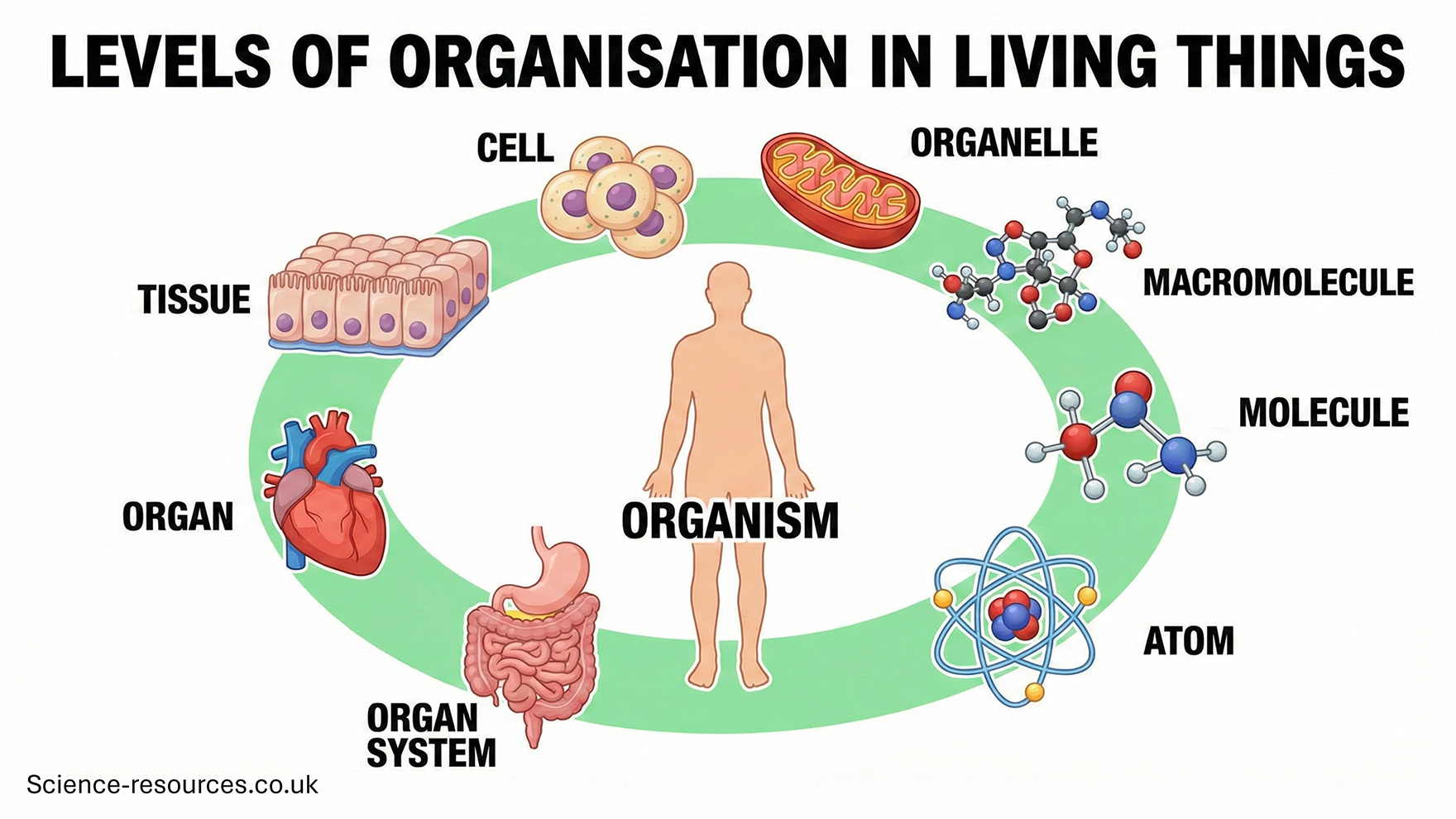
Multicellular animals and plants consist of different types of cells organised in a hierarchy:
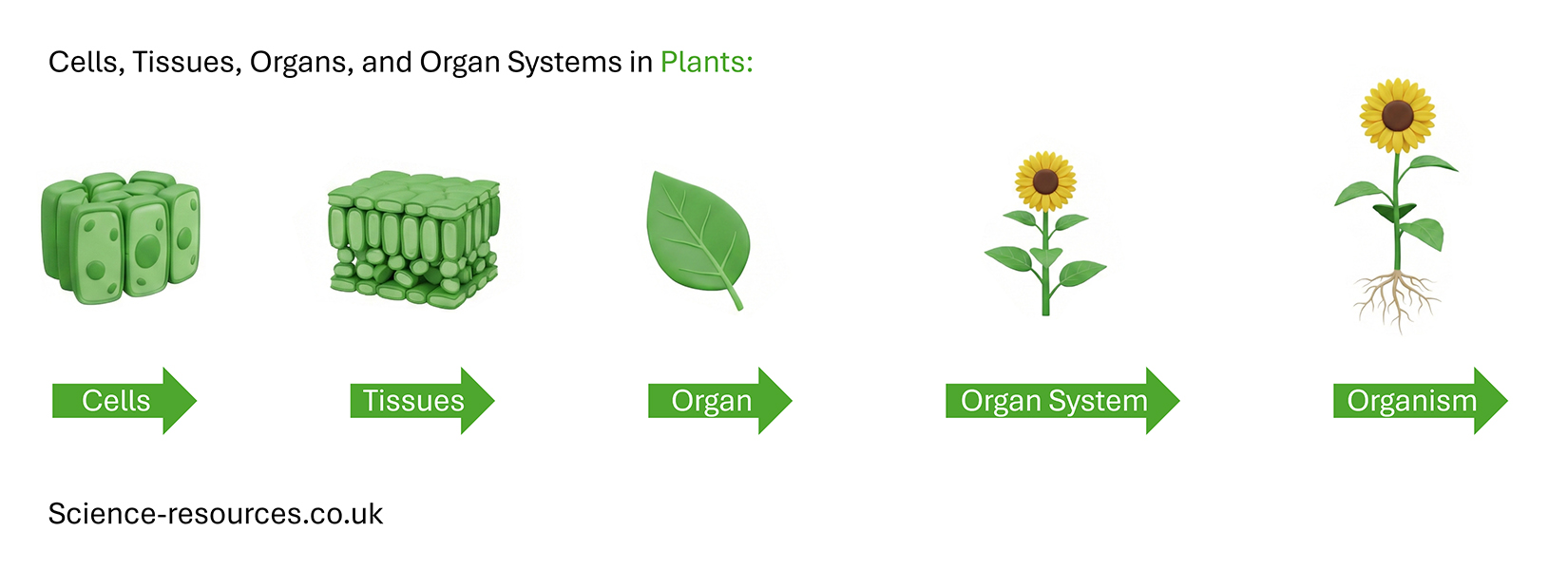
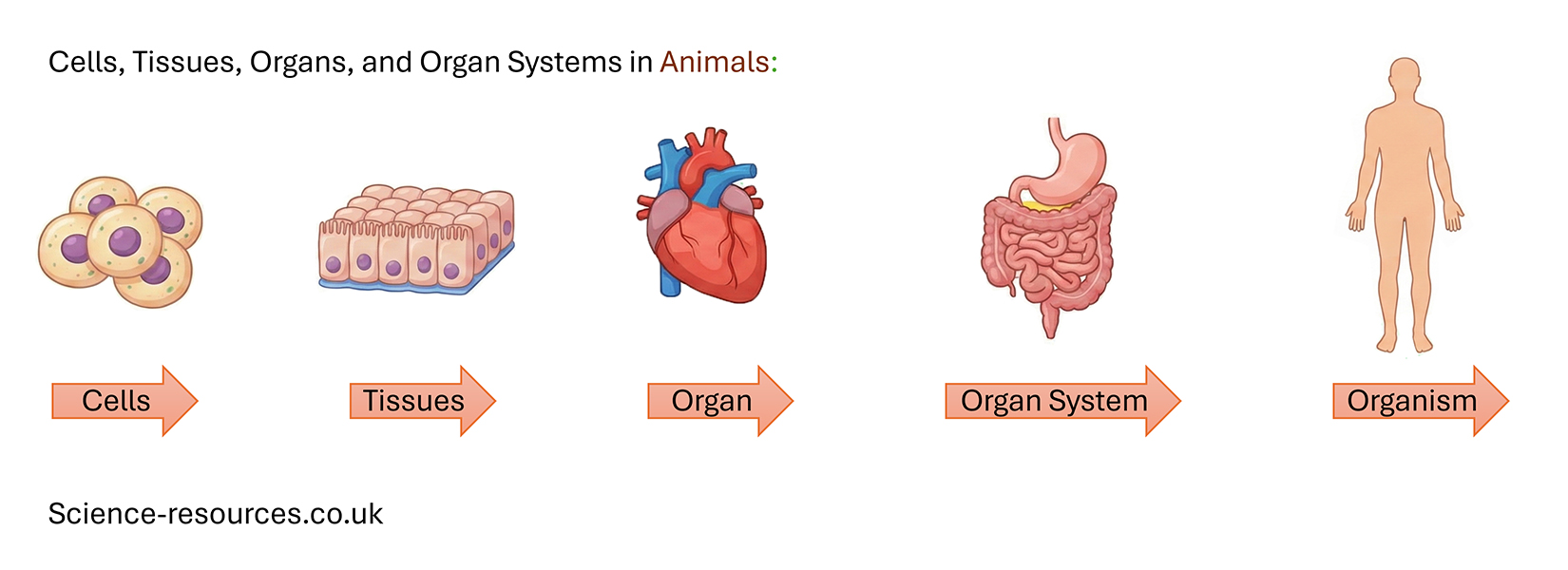
Cells are the smallest unit of life. They have different features and functions in an organism. Humans are multicellular, meaning they have many cells. These cells are specialised and work together to keep the organism alive.
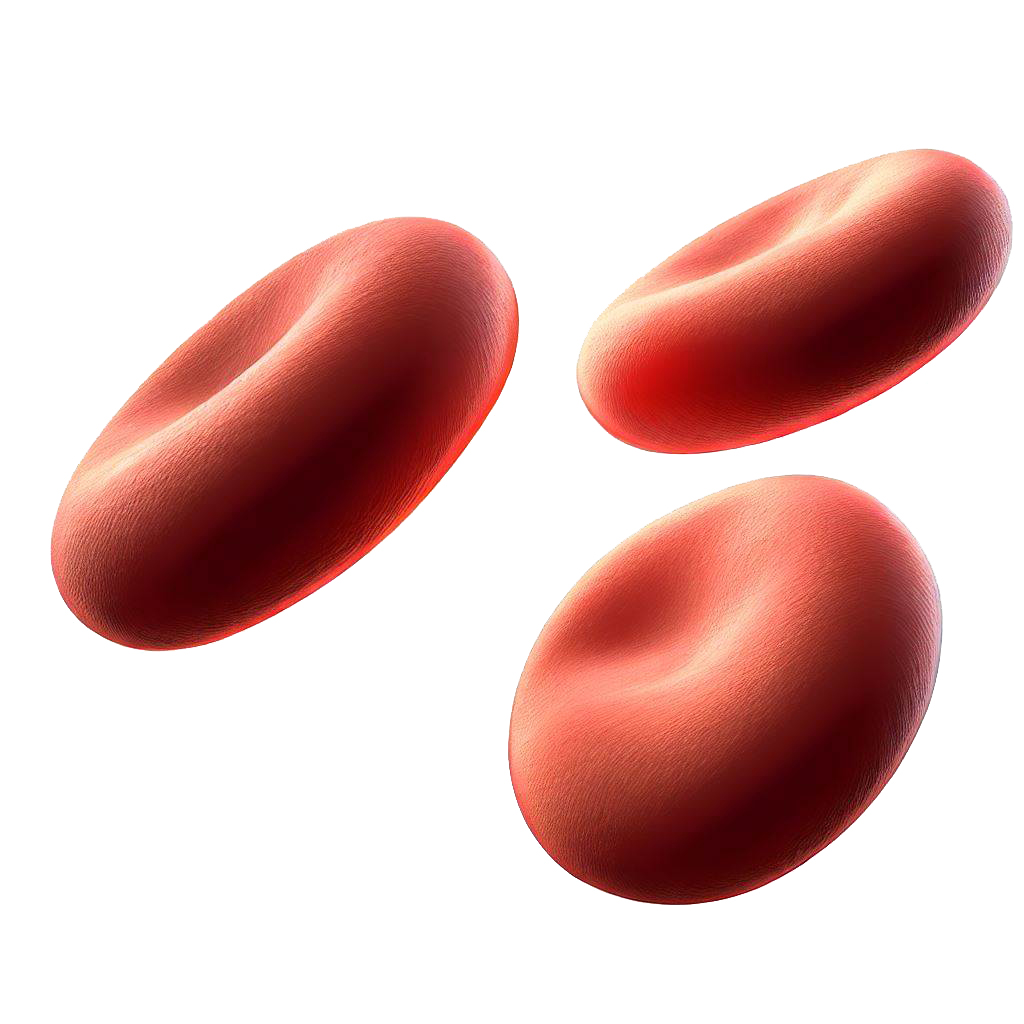
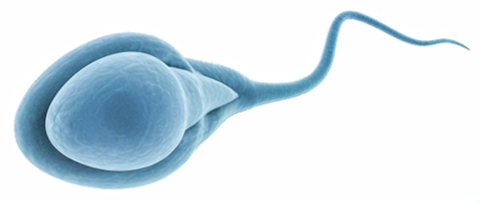
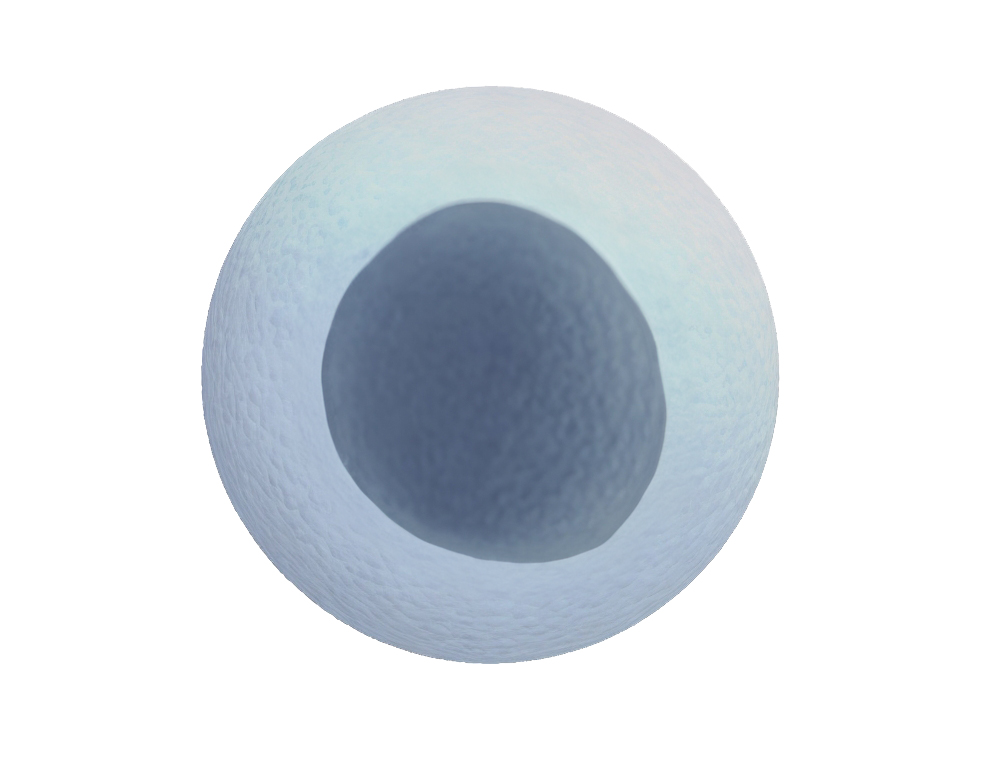
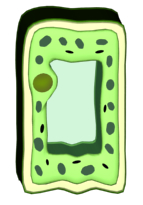
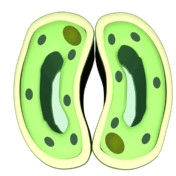
Specialised cells and their function Animal cells Red blood cell: have a large cell membrane surface area and are designed to absorbs and carries oxygen across the organism. Sperm cell: Fertilises the egg cell and has a long wiggly tail to facilitate movement. Egg cell: Full of cytoplasm and if fertilised, it develops into an embryo. Plant cells Palisade Leaf cell: Consists of many chloroplasts and carries out photosynthesis. Has a tall shape, which gives it a large surface area for absorbing CO2 from the air in the leaf. Tall shape also increases the chances for light to hit the chloroplasts. Guard cell: Their function is to open and close, facilitating the exchange of gases and water vapour. Have a kidney like shape. The gap or pore in the middle of two guard cells is called a Stoma. Stomata (many pores) opens and closes as the cell becomes turgid or flaccid. They are sensitive to light, opening during day-time and closing at night. Closing during night helps to prevent water losses from the plant. Their thin outer walls and thickened inner walls are ideal for opening and closing function.
Although all cells share common features, they are designed to do a particular job within an organism. The structure of each cell relates to its function.
Nerve cell: carries message around the body and has long thin shape.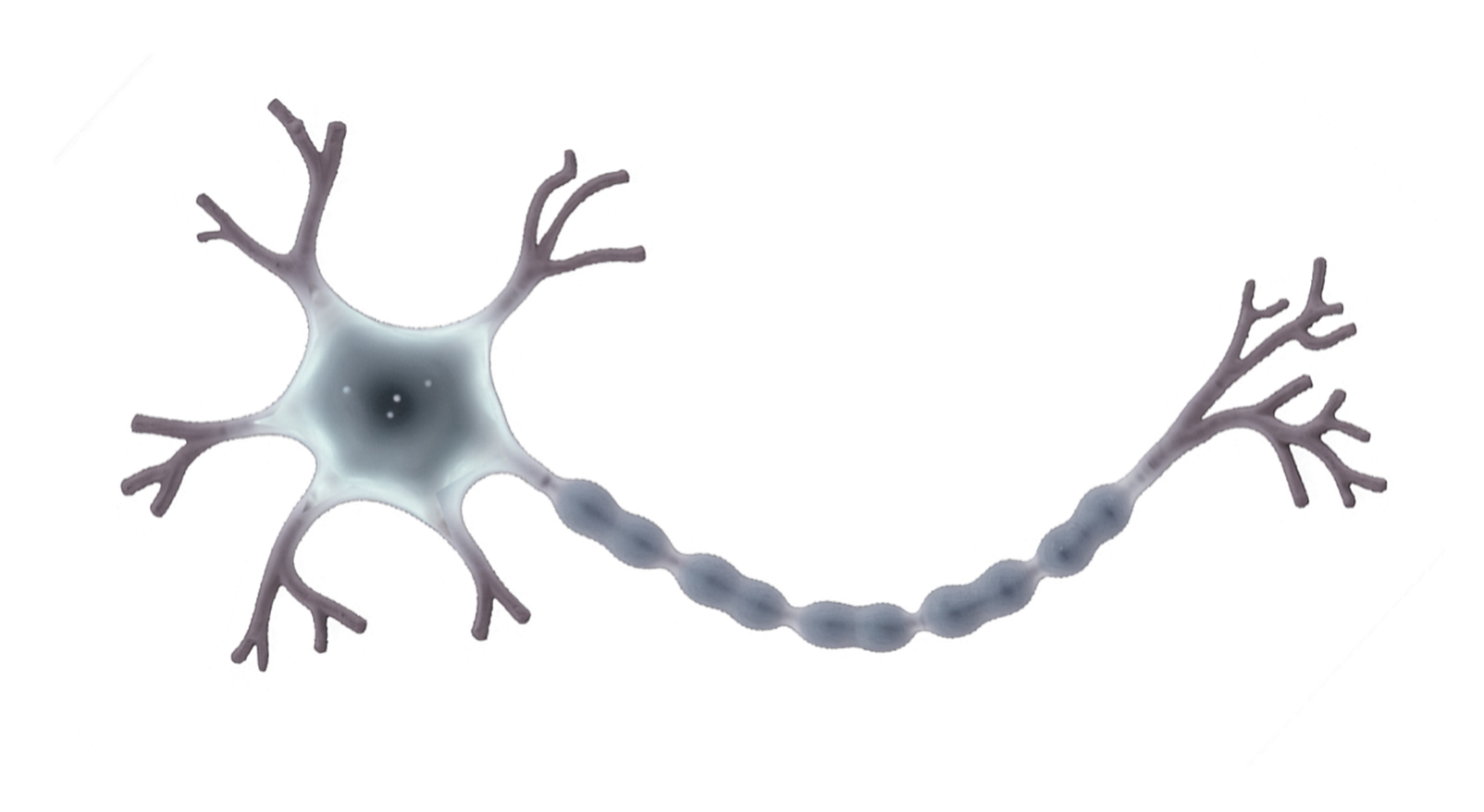
Root hair cell: these specialised root cells grow as long thin hairs which spread out into the soil. This enables the plant to have a large cell membrane surface area for absorbing water and mineral salts from the soil.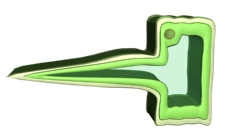
How well do you know the hierarchy of life? Try these 5 KS3 questions. 1. Which of the following is the correct order of organisation from smallest to largest? 2. The heart contains muscle tissue, nervous tissue, and connective tissue working together. This makes the heart a/an: 3. Which plant tissue is responsible for transporting water from the roots to the leaves? 4. The stomach, small intestine, and large intestine all work together to break down food. They are part of a/an: 5. Why can multicellular organisms (like humans) perform more complex tasks than unicellular organisms (like bacteria)? Summary: 🧠 Knowledge Check: Organisation
Check Answers
2. Organ (An organ is made of different tissues working together).
3. Xylem (Phloem transports sugars; Xylem transports water).
4. Organ System (This specific group is the Digestive System).
5. Cell Specialisation (Different cells doing different jobs allows for greater complexity).