i


Specialised animal cells


Red blood cells


Red blood cells transport oxygen for respiration. They are adapted for this function by:
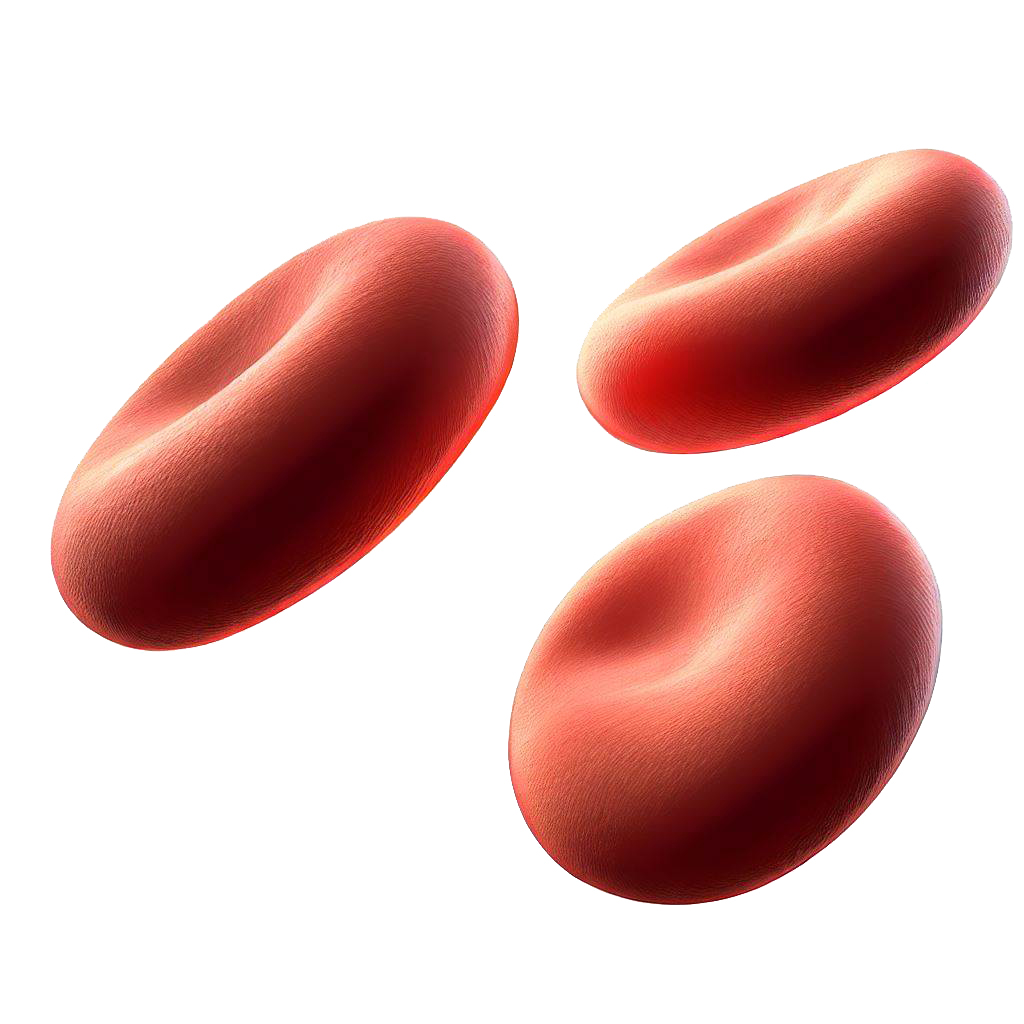
 

  • Having haemoglobin, which binds oxygen molecules.
  • Lacking a nucleus, which frees up more space for oxygen.
  • Being biconcave discs, which increase their surface area and oxygen absorption.
  •  

    Red blood cells

    Sperm cells


    Sperm are male sex cells that fertilise eggs to form embryos. They are adapted for this function by:
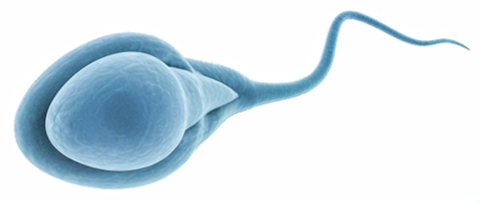
     

    • Having a tail for movement.
    • Having many mitochondria for energy.
    • Having an acrosome that releases enzymes to digest the egg membrane.
    • Having a haploid nucleus that contains genetic material.
    • Being produced in large numbers to increase fertilisation chance.


    Human sperm cell


    Egg cells


    Egg cells are female sex cells that fertilise with sperm to form embryos. They are adapted for this function by:
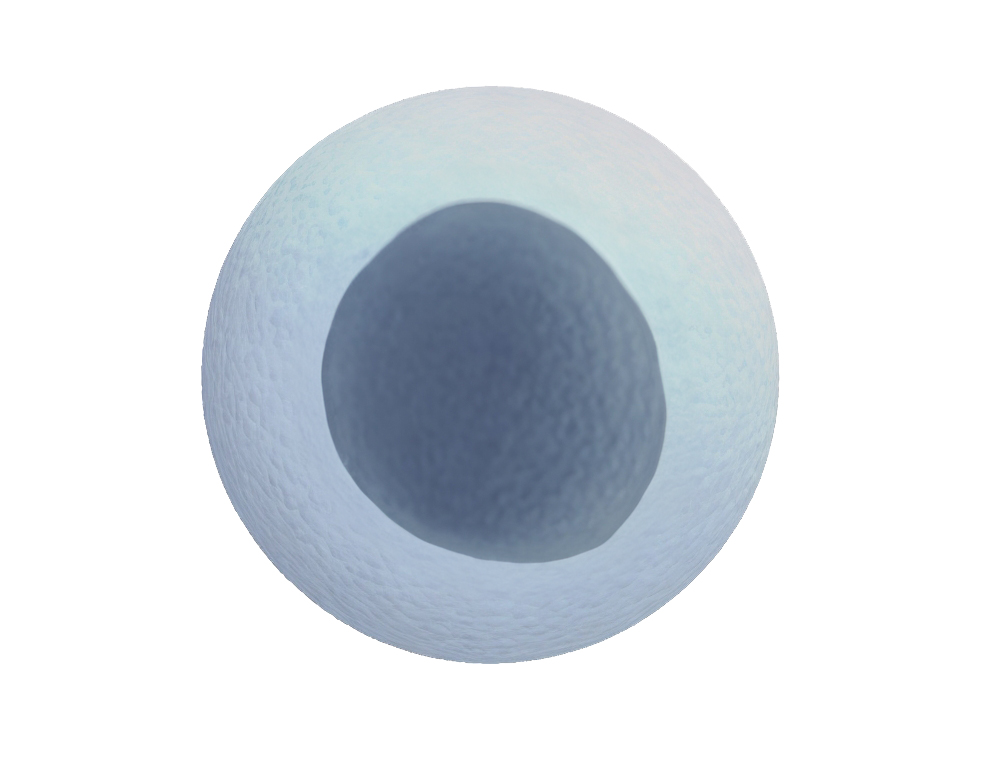
     

    • Having cytoplasm with nutrients for the early embryo.
    • Having a haploid nucleus with genetic material.
    • Having a cell membrane that changes after fertilisation to block more sperm.


    Human egg cell


Nerve cells


Nerve cells send electrical signals in the nervous system. They are adapted for their function by:
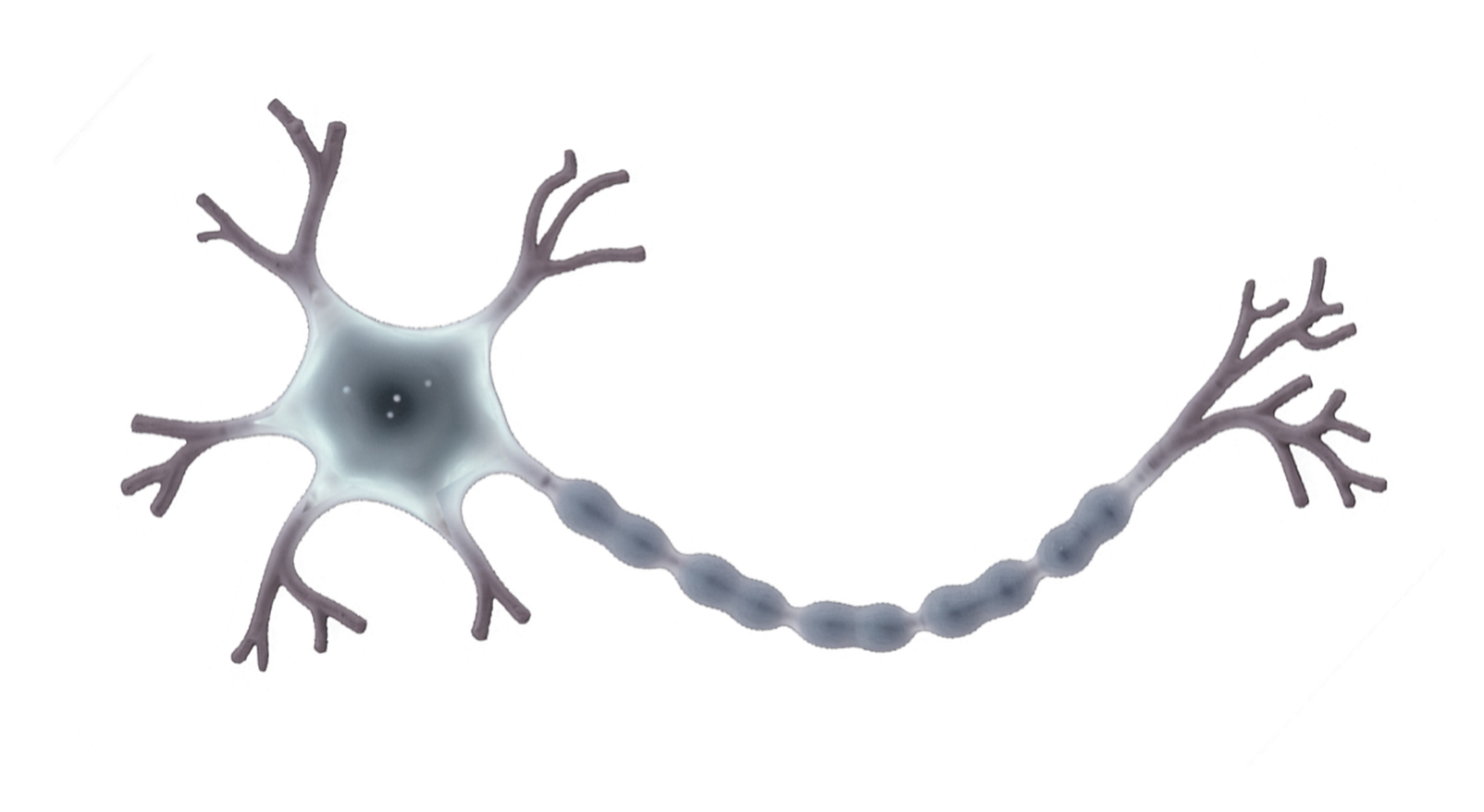
 

  • Being thin and long, up to one metre in your spinal cord. This lets them carry messages quickly over long distances.
  • Having branched connections at both ends. These connect to other nerve cells, allowing them to pass messages around the body.
  • Having a fatty (myelin) sheath around them. The fatty sheath boosts the speed of the message.


Nerve cell

Muscle cells


Muscle cells Muscle cells are in bundles that form our muscles. They can contract and relax. There are different muscle cells for different functions:
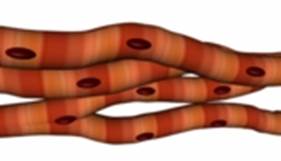
 

  • Cardiac muscle cells pump blood non-stop. They never tire.
  • Smooth muscle cells make thin sheets or rings of muscle, like in the stomach or anus.
  • Skeletal muscle cells attach to bones. They contract to move bones and joints.


Muscle cells


Ciliated cells


Ciliated cells are in the airways and oviducts. They have tiny hairs called cilia that beat to move mucus or eggs. In the airways, they clear dust and particles. In the oviducts, they move eggs from the ovaries to the uterus.


Villi


Villi are tiny structures in the intestines that absorb food and water. They are adapted for this function by:


  • Having a large surface area.
  • Having thin, one-cell thick walls.
  • Having cells with tiny hairs to absorb more.

.


🧬 Knowledge Check: Specialised Animal Cells

Test your ability to link cell structure to its biological function.

1. Which adaptation allows a Sperm Cell to move toward the egg?

2. Red Blood Cells lack a nucleus. Why is this an advantage?

3. Which specialised cell is responsible for carrying electrical signals around the body?

4. Where would you most likely find Ciliated Epithelial cells?

5. Muscle cells contain a very high number of mitochondria. This is because:

Check Your Answers
1. Tail and mitochondria (Tail for swimming, mitochondria for the energy to do it).
2. More space for haemoglobin (Maximises oxygen transport).
3. Nerve Cell (They are long and thin to transmit signals).
4. Lining of airways (They sweep mucus and trapped dirt away from lungs).
5. Energy for contraction (Mitochondria are the 'powerhouse' of the cell).


Summary:


  • Specialised animal cells have specific components for their functions.
  • Examples of specialised animal cells are red blood cells, sperm, eggs, nerve cells, muscle cells, ciliated cells, and villi.


Cells have common features like nucleus, cell membrane, cytoplasm and mitochondria.


Different cells have different jobs and special features for them.


© 2012 science-resources.co.uk. All rights reserved | Design by W3layouts