i


Alternate Energy Sources


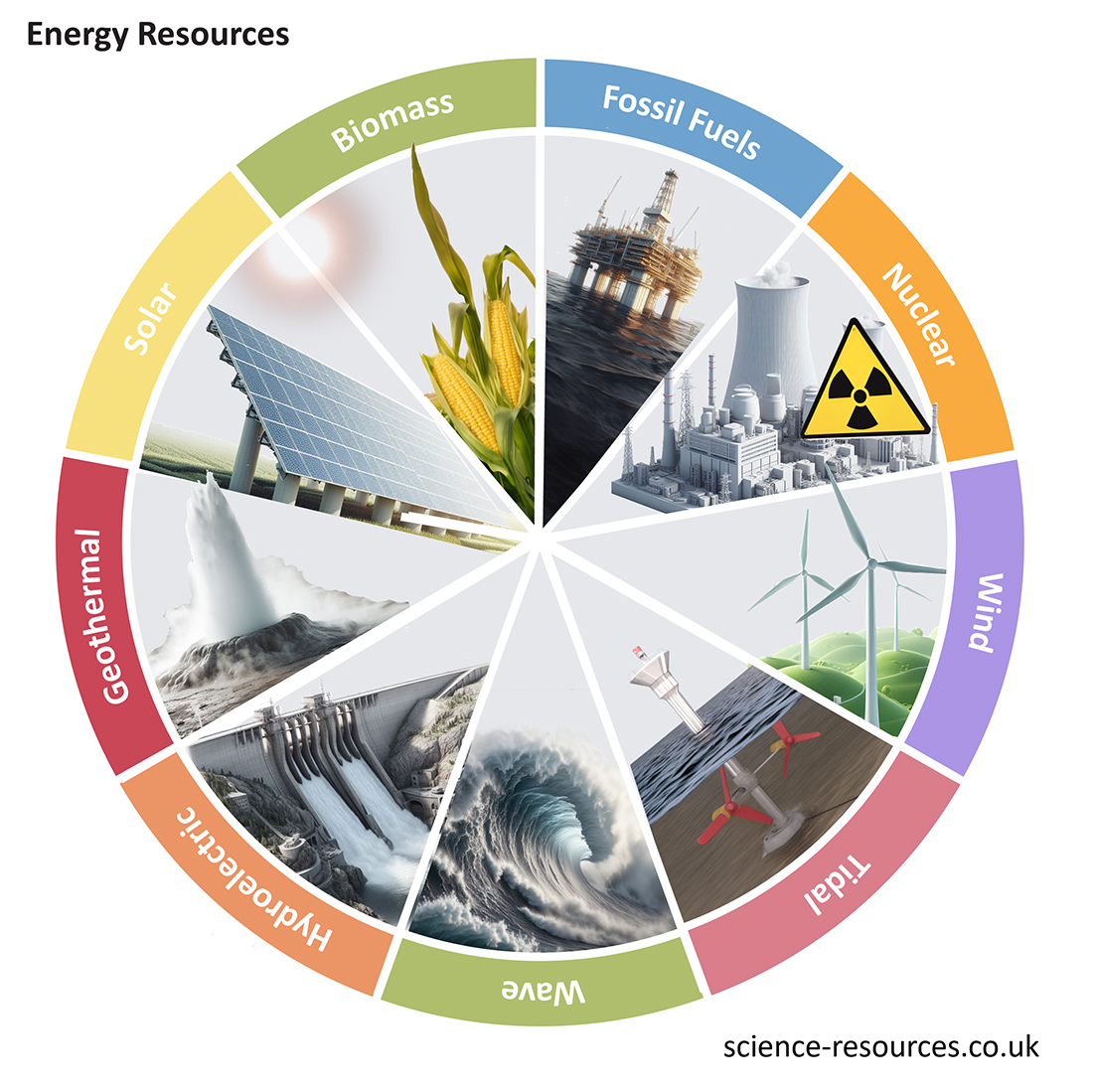
The image you sent is a pie chart showing different types of energy resources. It illustrates how energy can be obtained from various sources such as solar, biomass, fossil fuels, nuclear, wind, wave, and geothermal.

Generating electricity


Electricity is the main source of energy that we use in our homes. Electricity can be produced from different energy resources.


Energy resources are systems that can store a lot of energy. Energy resources can be classified into two types:


  • Renewable resources - energy resources that can be restored. They do not run out even if we use them.
  • Non-renewable resources - energy resources that cannot be restored. These resources will run out someday because we use them.


Different energy resources have different availability, advantages and disadvantages.


Non-renewable energy sources


Non-renewable energy resources include coal, natural gas, oil, and nuclear energy. Once these resources are used up, they cannot be replaced.


 Nuclear power


Electricity is generated in nuclear power stations using a fission reactor powered by uranium fuel.


Nuclear energy is classified as a non-renewable energy source because it relies on uranium ore, which is a finite resource that exists in a limited amount on Earth and will eventually run out. While it does not produce greenhouse gases like fossil fuels, it cannot be replaced at the rate it is being used.


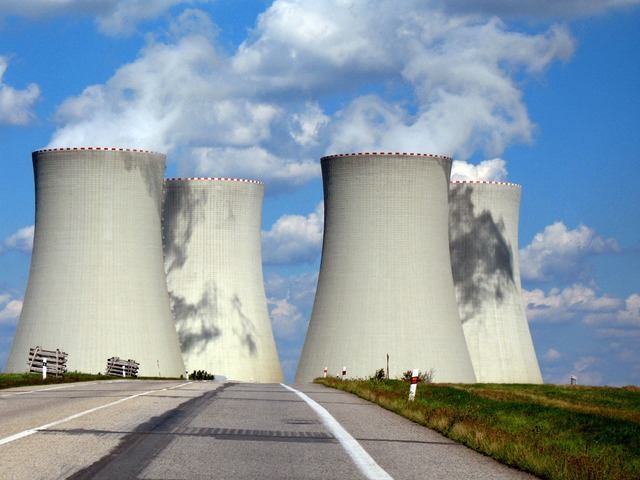
Nuclear Power Station

The Oyster Creek facility in Forked River, New Jersey

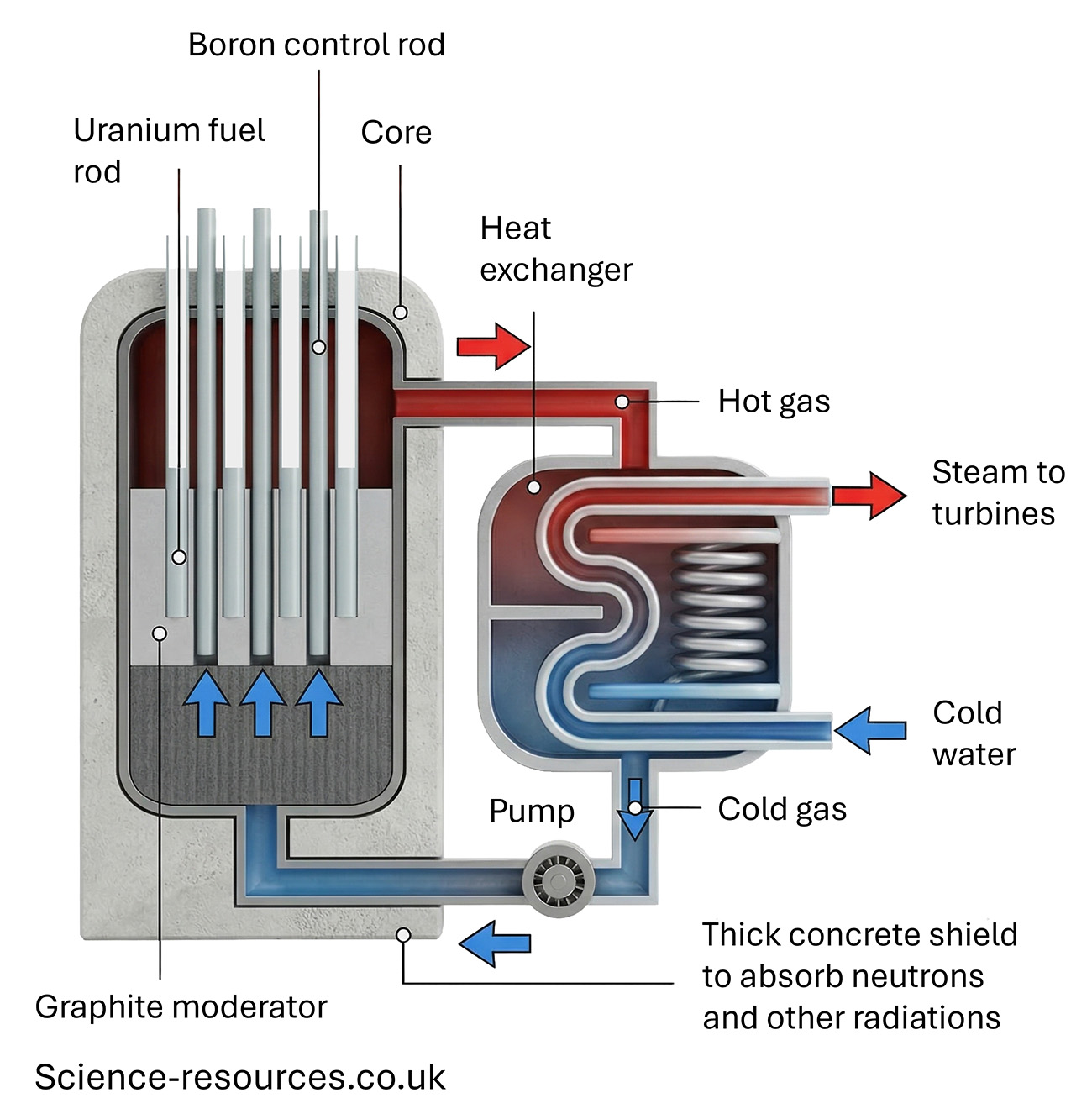
A 3D technical illustration on a plain white background showing the internal components and thermal process of a nuclear fission reactor.

The Reactor Core (Left Side)
The reactor is housed in a thick, light-grey concrete shield designed to absorb radiation. Inside the core, the bottom section is labeled Graphite moderator. Above the moderator, the core is divided into four block-like Uranium fuel assemblies. A single, dark Boron control rod is positioned vertically in the center of these assemblies to regulate the fission process. Blue arrows labeled Gas flow point upward through the fuel rods, indicating the path of the primary coolant.

The Primary Cooling Loop
As the gas passes through the fuel rods, it absorbs heat and becomes Hot gas (indicated by red arrows). This gas travels through a horizontal pipe into a separate, secondary structure: the Heat exchanger. After transferring its heat, the gas becomes Cold gas (indicated by blue arrows) and is pushed by a mechanical Pump through a return pipe back into the bottom of the reactor core to repeat the cycle.

The Secondary Steam Loop (Right Side)
Inside the Heat exchanger, the hot gas pipe forms a series of coils. A separate water system interacts with these coils:

Cold water (blue arrow) enters the bottom of the heat exchanger.

The water absorbs heat from the gas coils, turning into high-pressure steam.

The Steam to turbines (red and light-blue arrow) exits the top-right of the unit, pointing toward the power generation section of a plant.
Nuclear Fission Reactor and Heat Exchange System


Renewable energy sources


Renewable energy resources are resources that do not run out. They offer a different way of producing electricity than fossil fuels. They also have less negative impact on the environment than non-renewable energy resources.


Hydroelectric power

Hydroelectric power

Hoover Dam


Wind power


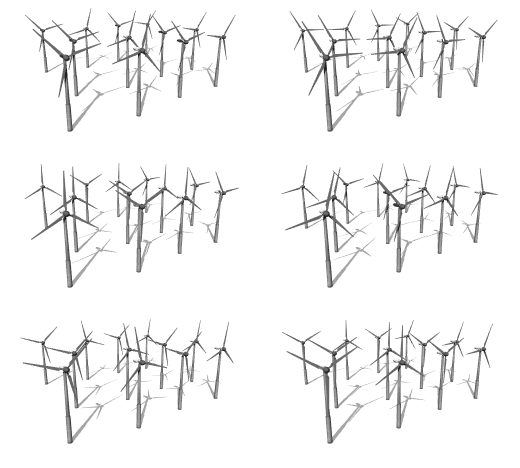
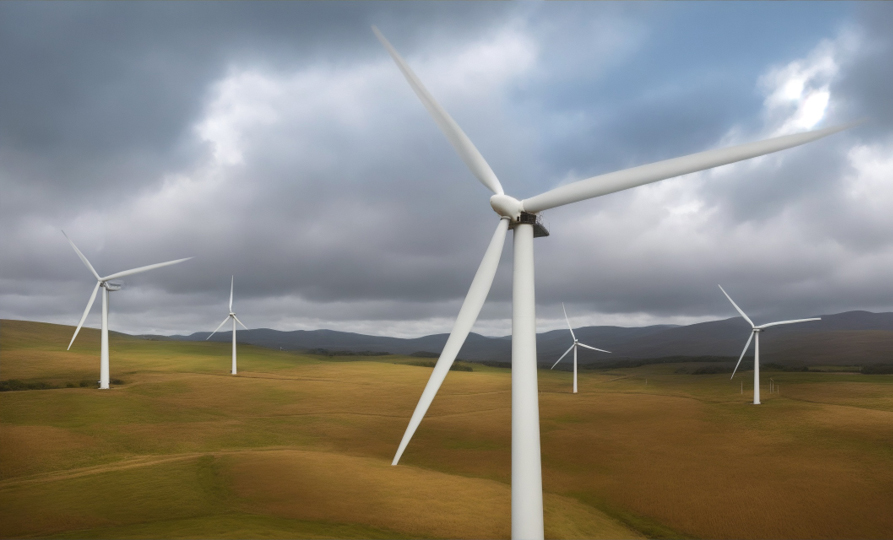
Wind Generator


Wind is caused by the movement of air, and its kinetic energy serves as the renewable energy source.

image of a landscape with several wind turbines. The turbines are spread out across a rolling field, and the sky above is cloudy. It looks like a peaceful and eco-friendly scene.

Wind farm


Solar power

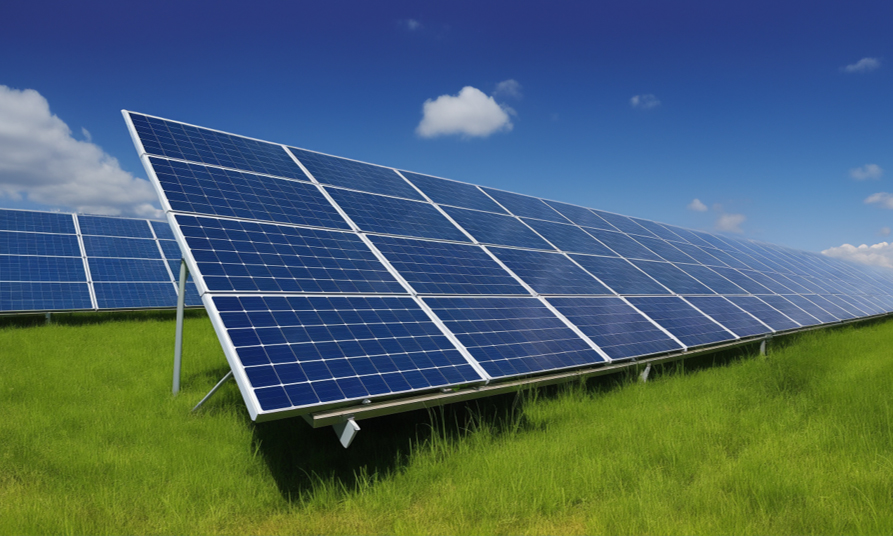
Solar energy is power from the Sun, which can be turned into electricity by using solar panels. We can use solar energy as long as there is sunlight.

Image of a large array of solar panels installed on a green field under a clear blue sky with some clouds. The solar panels are tilted at an angle to capture maximum sunlight.

Solar farm

Wave Power


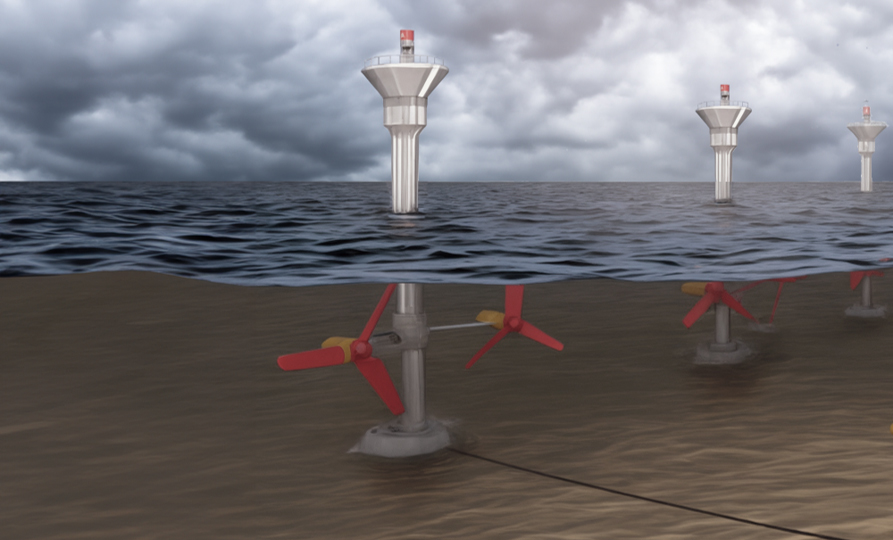
A tidal barrage is a structure constructed over a river estuary. The barrage has power generators, which are powered by the water gushing through pipes in the barrage.


This is an image of an underwater view of tidal turbines anchored to the seabed and their corresponding surface structures that resemble small lighthouses. The sky is overcast, and the sea surface is moderately calm.

Tidal turbines


Biomass


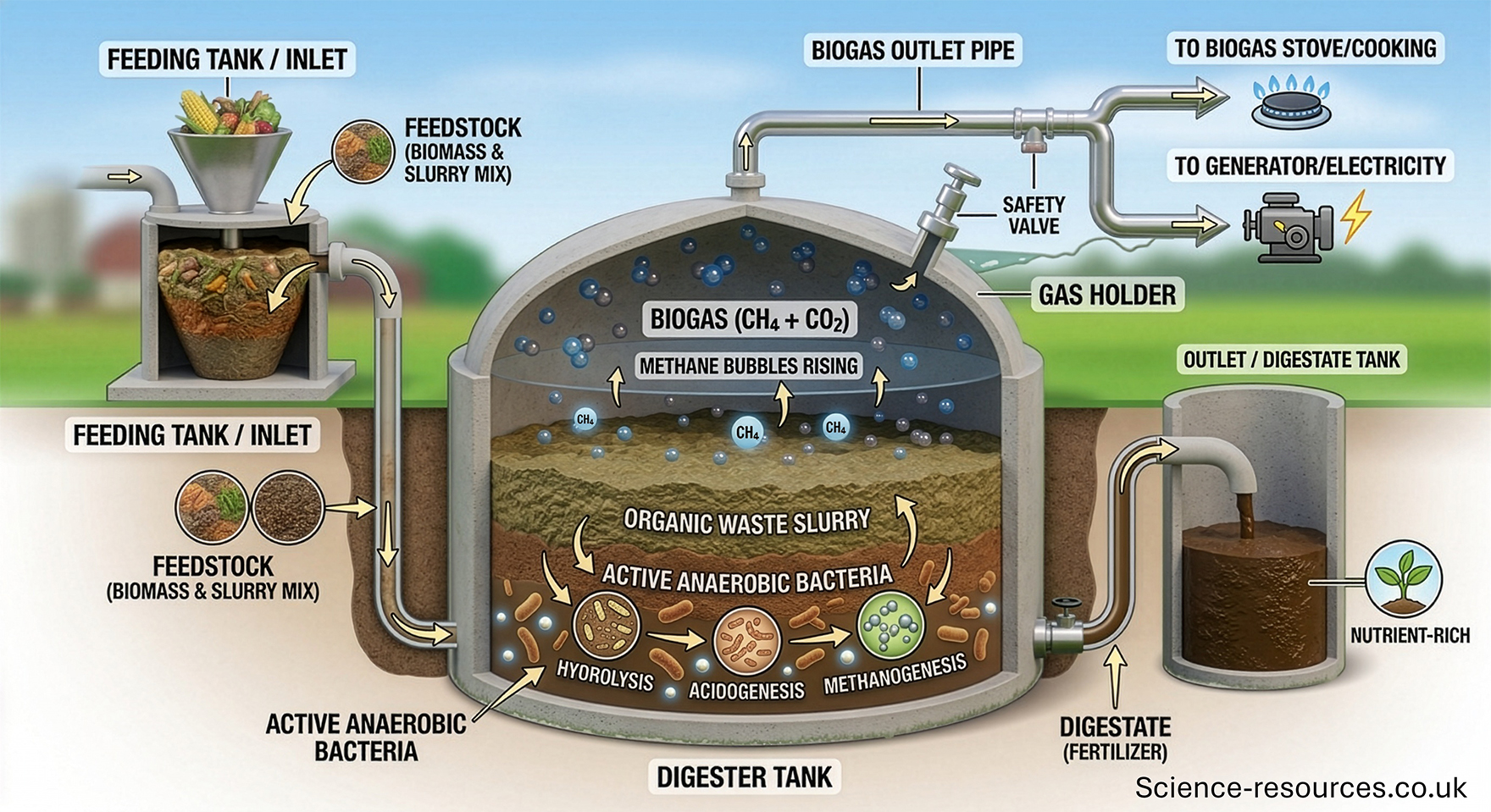
Biomass is a power source from organic matter, such as wood or food waste. It is a sustainable energy source.


A detailed 3D diagram illustrating the components and process of a fixed-dome biogas digester. It shows a feeding tank on the left where organic feedstock (biomass and slurry mix) is added. A pipe transports the mixture underground to a large, concrete digester tank. The tank’s cross-section reveals layered organic waste slurry with active anaerobic bacteria indicated. Smaller circles provide a close-up look at the multi-stage decomposition process: hydrolysis, acidogenesis, and methanogenesis. Rising bubbles label 'CH4' represent methane being produced and collecting in the gas holder at the top of the tank, mixed with CO2 to form biogas. A 'biogas outlet pipe' with a safety valve runs from the top of the digester, branching to a burning biogas stove and an electricity generator. On the right, an 'outlet/digestate tank' collects the nutrient-rich, digested slurry which is then used as fertilizer. The background shows a modern farm setting with green fields and a barn, emphasizing the sustainability aspect.

A fixed-dome biogas digester


We must conserve the non-renewable sources of energy by: 


  • Choosing other sources that are renewable

  • Switching of electrical devices when not in use

  • Using the fuel more efficiently

  • Improving insulation etc.


🧪 Knowledge Check: Alternative Energy

Test your knowledge of renewable energy sources and hydrogen fuel technology.

1. Why are fossil fuels considered a problem for the environment?

2. Which of these is a clean-burning fuel that can be used in modified engines or fuel cells?

3. What is the sole byproduct produced when hydrogen reacts in a fuel cell?

4. How is energy obtained from 'Biomass'?

5. Which energy source relies on heat from underground rocks?

Click to Reveal Answers
1. They contribute to global warming and pollution.
2. Hydrogen (Used in fuel cells as a renewable alternative).
3. Water (Hydrogen + Oxygen → Water).
4. By burning organic materials.
5. Geothermal (Heat from the Earth).


Tags:Renewable power, non-renewable power, nuclear power, Hydroelectric power, Wind power, Water power, Solar power, alternative green energy, green energy, green energy solutions, types of green energy, renewable solar energy, solar energy renewable, Renewable resources solar energy


© 2012 science-resources.co.uk. All rights reserved | Design by W3layouts