Energy in the home
Common energy stores Some examples of common energy stores Energy transfers Common energy stores and transfers in the home Lamp Electric charges flow through the tungsten filament inside the bulb. Energy is transferred to the thermal energy store of the filament bulb and causes the bulb to get hot. Energy transfers from the thermal energy store of the bulb by heating and light. Kettle Charges flow through the heating element of the kettle. Energy is transferred to the thermal energy store of the element which causes the element to get hot. Energy transfers from the hot element to the water which causes the water to heat up.
Energy is the potential for a system to do work. Energy can exist in several forms:
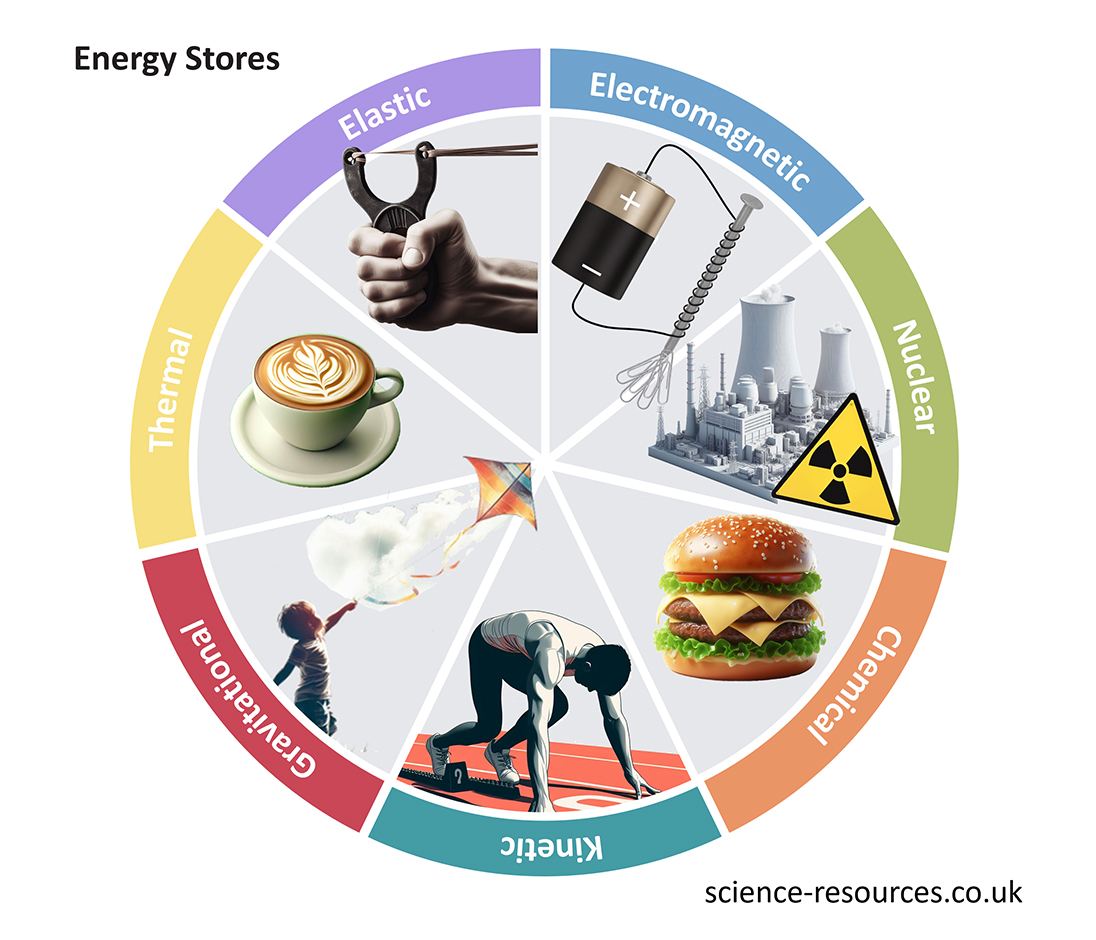
Energy can be transferred in 4 ways between the energy stores:
Energy is transferred when an electrical current flows through an object. 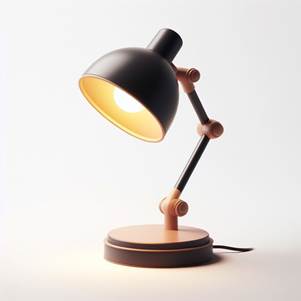
Energy is also transferred when an object is heated. A kettle takes in electrical energy and transfers it heat in the element. This in turn heats up the water.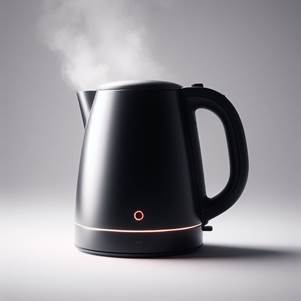
Electrical devices Where: Calculating energy transfers We can modify the equation above to calculate the energy transferred: For example, So, the energy used by this appliance per minute will be 60,000 J. If we convert this to kJ, the energy used will be 60 kJ (60 kilojoules). Watts to kilowatts Power in W Power in kW Kettle 2000 2.0 Microwave 3200 3.2 Oven 16000 16 Energy bills To work out the amount of energy in kWh used by an electrical appliance, we use the equation: Calculating how much to pay
Power is the rate at which energy is transferred by an appliance over a period of time. We can represent this using the following equation: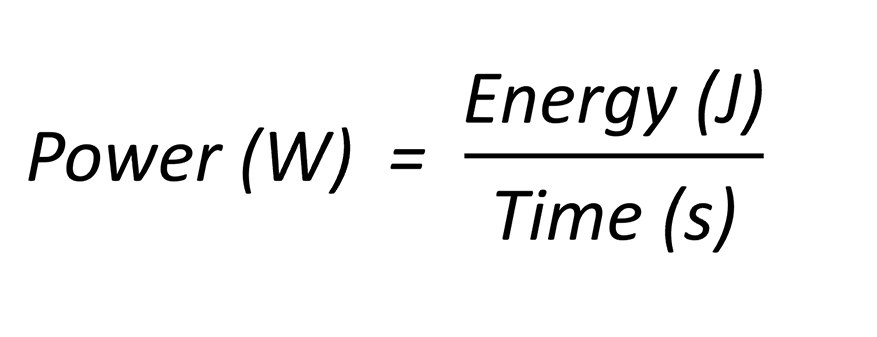
If you look at the electrical appliances in your home, you might find a label that show the power rating of the appliance.
Power is the amount of energy transferred each second. Power is measured in watts (W).
A 1000 Watt microwave oven is switched on for 60 seconds. How much energy is transferred to the microwave oven?
Energy transferred (J) = Power (W) x Time (s)
E = P x T
E = 1000 (W) x 60 (s)
E = 60,000 (J)
Sometimes the energy of an electrical appliance is shown in kW (kilowatts) rather than in W (watts). This usually happens when an appliance uses large amounts of energy per second.
1 kW = 1000 W
Below is a table showing the conversion between power in W (watts) and power in kW (kilowatts) for different appliances:
Electrical appliance
The amount of energy that our homes use is measured by meters that energy companies keep track of. The readings from these meters are used by the companies to make an electricity or gas bill. The usual unit for energy is Joules (J), but the companies use kilowatt-hour (kWh) instead. So, they charge us for every kWh of energy that we use.
1 kWh is the amount of energy transferred to a 1kW appliance in 1 hour.
Energy transferred (kWh) = power(kW) x time(h)
For example,
1 kWh = 1 kW x 1 h
Household bills contain information such as the cost per kilowatt-hour, the number of kilowatt-hours used, and the total cost of the energy used.
They calculate the energy bill using the following equation:
Total cost (£) = amount of energy used (kWh) x cost per kWh
Test your knowledge of energy efficiency and home insulation based on the lesson content. 1. Which method of insulation involves placing glass wool in the roof space to trap heat? 2. What is the main purpose of an energy rating label on a domestic appliance? 3. How does double glazing help reduce heat loss through windows? 4. Which of these is used to fill the gap between inner and outer walls to reduce energy loss? 5. What is the benefit of using appliances with a higher efficiency rating? Summary: 🏠 Knowledge Check: Energy in the Home
Click to Reveal Answers
2. Compare energy use (It helps consumers choose more efficient products).
3. Vacuum or air gap (The space between panes reduces heat transfer).
4. Cavity wall insulation (Material is blown into the gap between the walls).
5. Waste less energy (High efficiency means more energy is used for the intended purpose).