Animal and plant cells
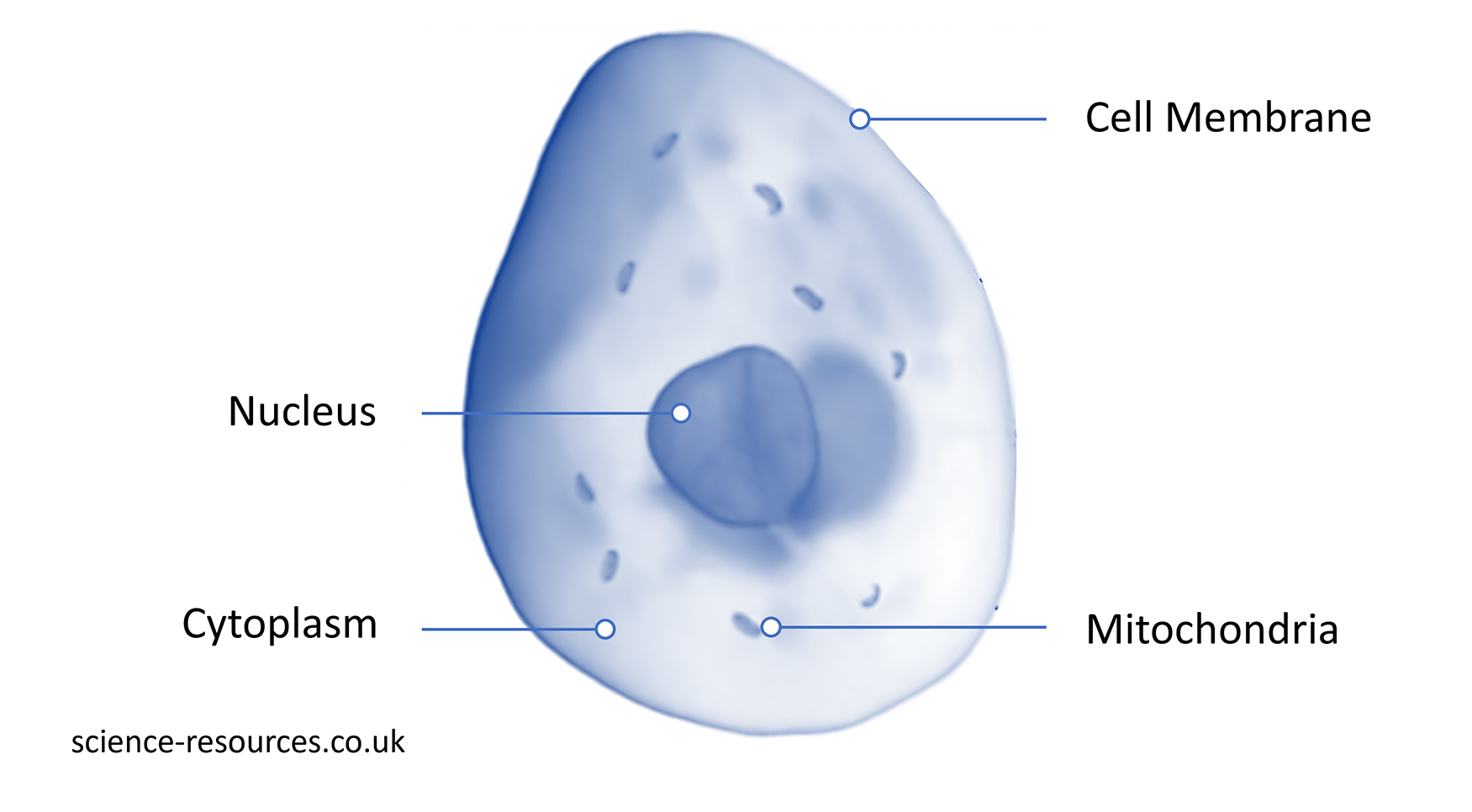
What are cells? Cells are the building blocks of life on Earth. They are microscopic and can be either unicellular (one-celled) or multicellular (many-celled). Multicellular organisms have specialised cells that perform different functions. What makes up an animal Cell? Animal cells have four main parts:
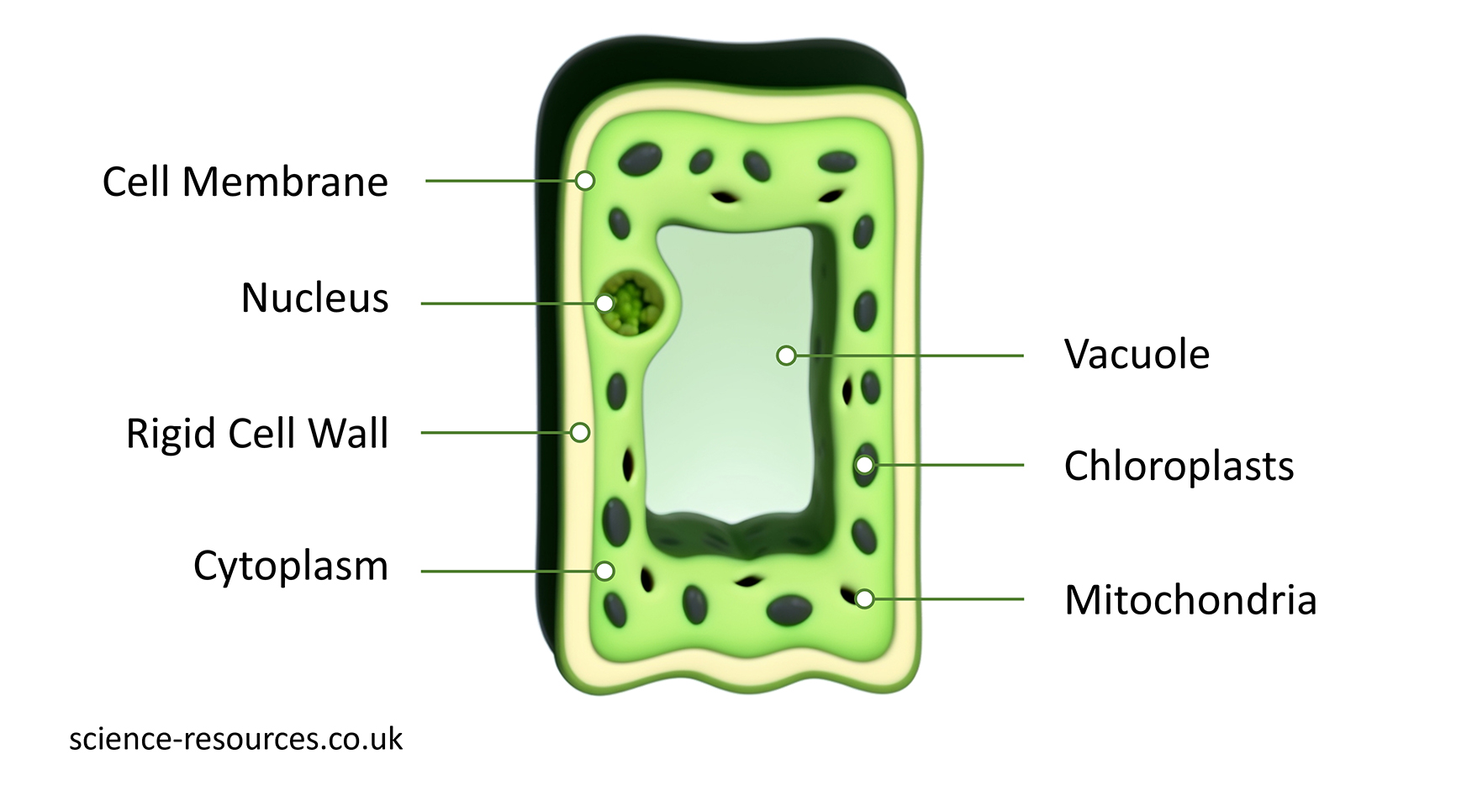
What makes up a plant cell?
Plant cells have a regular shape and the same cell components as animal cells. They also have three extra parts:
Think you know your organelles? Test your cell biology skills below! 1. Which part of the cell controls all the cell's activities? 2. Which of these is found ONLY in a plant cell? 3. What is the jelly-like substance where most chemical reactions happen? 4. What is the main job of the mitochondria? 5. The cell wall is made of which tough material? Summary: 🔬 Knowledge Check: Animal & Plant Cells
Check Your Answers
2. Chloroplasts (Animal cells don't photosynthesise, so they don't need them).
3. Cytoplasm (This surrounds the organelles and is where reactions occur).
4. To release energy (They are the energy generators of the cell).
5. Cellulose (This provides the rigid structure that supports the plant).
Cells are the basic units of life and all living things are made of cells. Cells have different parts that do different jobs. Animal and plant cells are not exactly the same, but they have some parts in common. Four parts that both animal and plant cells have are: