Composition of blood
Blood transports materials and heat around the body, and helps to protect against disease. Plasma makes up roughly 55% of the blood's volume.
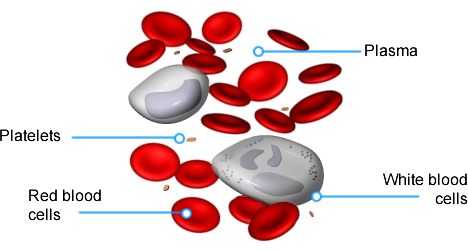
Blood components and their functions:
Component |
Function(s) |
|
|---|---|---|
|
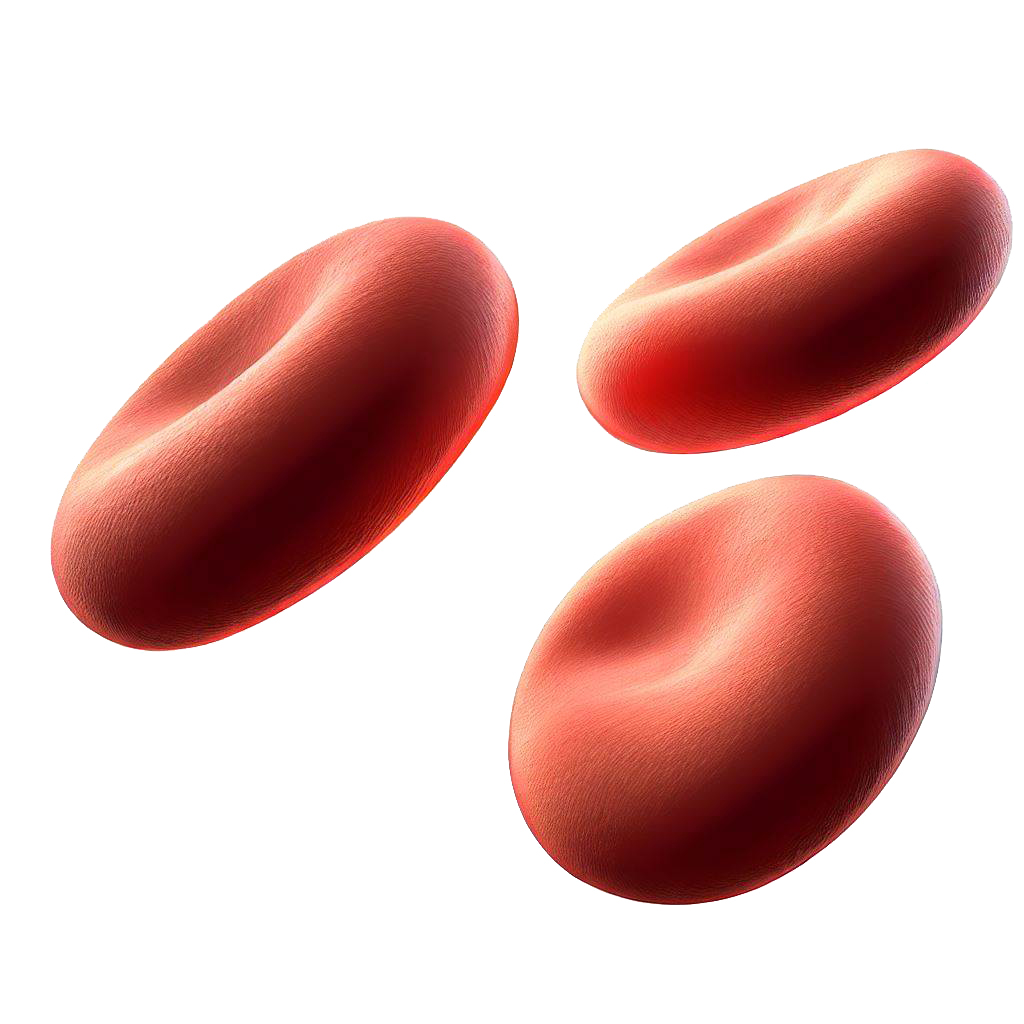
Red blood cells |
Transports oxygen. |
|
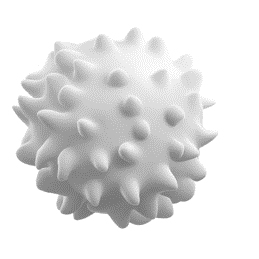
White blood cells |
Ingests pathogens and produces antibodies. |
|
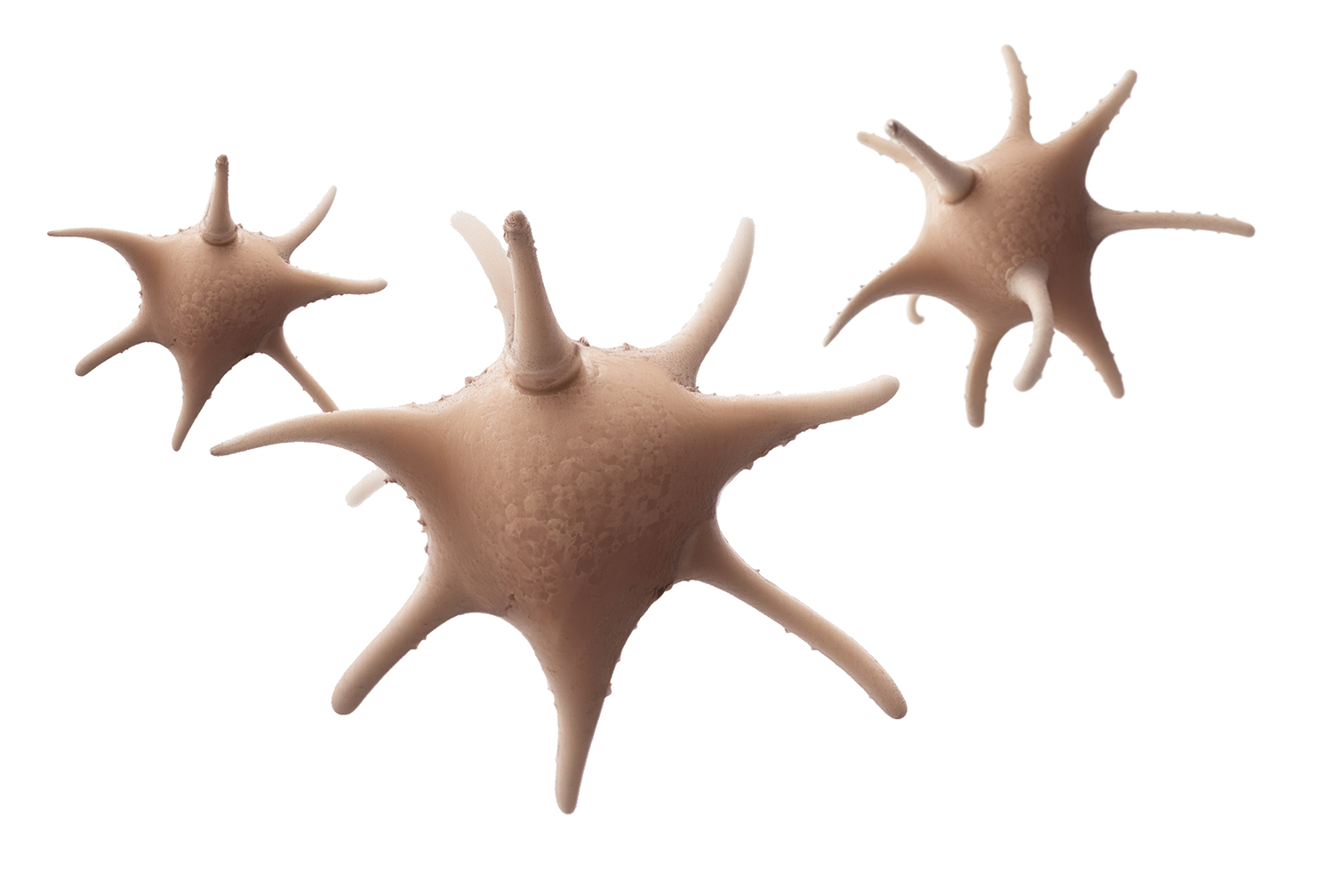
Platelets |
Helps blood clotting. |
|
Plasma |
Transporting carbon dioxide, digested food, hormone, urea, and heat. |
🔬 Knowledge Check: Composition of Blood
Test your knowledge on the components of blood and their functions in the human body.
1. Which component makes up the largest volume of the blood and acts as the liquid transport medium?
2. Red blood cells are specialised for carrying oxygen. What is the name of the red pigment that binds to oxygen?
3. Which type of white blood cell protects the body by ingesting and digesting harmful bacteria?
4. What is the primary function of platelets in the circulatory system?
5. Apart from blood cells, which of these substances is transported by the plasma?
Click to Reveal Answers
2. Haemoglobin (The protein in red blood cells that carries oxygen).
3. Phagocytes (Cells that surround and destroy pathogens).
4. Helping the blood to clot at a wound (This prevents blood loss and entry of pathogens).
5. Carbon dioxide (Along with nutrients like glucose and hormones).
Tags:Blood, plasma, platelets, red blood cells, white blood cells, blood composition, red blood cells white blood cells and platelets, red blood cell white blood cell and platelets