Dissolving
What is a solution?
A solution is formed when a substance mixes with a liquid. The liquid is called the solvent. The substance that has mixed with the liquid is called the solute.
A solution can also be called a mixture.
When a solid mixes with a liquid, it breaks down into smaller pieces that spread out through the solvent.
For example, salt dissolves when it is stirred into water.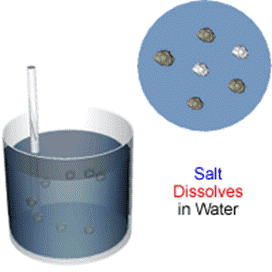
Insoluble or soluble?
If a solid does not mix with a certain liquid, it is insoluble in that liquid. Some examples include:
Wax does not mix with water. Chalk does not mix with water. Salt does not mix with propanone. Polystyrene does not mix with water, but it mixes with propanone. When an insoluble white powder is stirred into a clear liquid it does not mix. At first the liquid will look white, but after a few minutes the liquid will become clear again as the powder sinks to the bottom of the container.
Test your understanding of solutes, solvents, and how solutions are formed based on the information provided. 1. In the process of dissolving, what is the scientific name for the liquid that a substance dissolves into? 2. Which of the following is an example of a solute? 3. What is formed when a solute and a solvent are mixed together and the solute dissolves? 4. What describes a solution where no more solute can be dissolved? 5. What happens to solute particles during the dissolving process? Summary: 🧪 Knowledge Check: Dissolving
Click to Reveal Answers
2. Salt (The solid substance that is dissolved).
3. A solution (The mixture of the solute and solvent).
4. Saturated solution (When the solvent can hold no more solute).
5. They break apart and mix with solvent particles (Dissolving involves the mixing of particles).