What is methane?
What is the impact of methane? .
Methane is a gas that has one carbon atom and four hydrogen atoms in each molecule. Its chemical formula is CH4. Methane is a greenhouse gas, which means it makes the Earth warmer by trapping heat in the air. Methane comes from natural sources, such as wetlands and volcanoes, and human sources, such as cows and landfills. Methane can also be used as a fuel for cooking, heating, and making electricity. However, burning methane produces carbon dioxide, which is another greenhouse gas.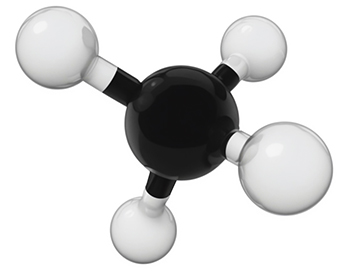
Sources and uses Methane is a gas that comes from cows, waste, and fossil fuels. Methane is bad for the climate because it traps heat in the air. We need to make less methane to slow down global warming. Some farmers use methane from animal waste as a fuel for cooking and heating. They can also send it to other houses through gas pipes. Some people use methane from waste to make electricity. They heat water with methane and use the steam to turn turbines. This way, they use less fossil fuels, which are bad for the environment. You can learn more about methane and its uses from this website.
Test your knowledge of the properties of methane and its impact on our environment. 1. What is the chemical formula for a molecule of methane? 2. How does methane behave in the atmosphere to contribute to the greenhouse effect? 3. Which of the following is a significant source of methane gas? 4. Compared to carbon dioxide, how effective is methane at absorbing heat? 5. What is the main environmental consequence of the increase in methane in the atmosphere? Summary: 🧪 Knowledge Check: Methane
Click to Reveal Answers
2. It absorbs infrared radiation (By trapping heat, it contributes to the greenhouse effect).
3. The decay of organic matter (Swamps, rice fields, and landfill sites are major sources).
4. Much more effective (Methane is a much more potent greenhouse gas than CO2).
5. Global warming (The trapped heat leads to an increase in the Earth's average temperature).