Generative AI Notification: Some elements of this image have been created or enhanced using AI technology. To find out how we create all our prehistoric animals, click here.
Last updated: 4th August 2025
Extinct Animals: Stegodon
Discover the ancient relative of the elephant with massive, closely-packed tusks, that lived during the Ice Age.
Stegodon (Roofed Tooth)
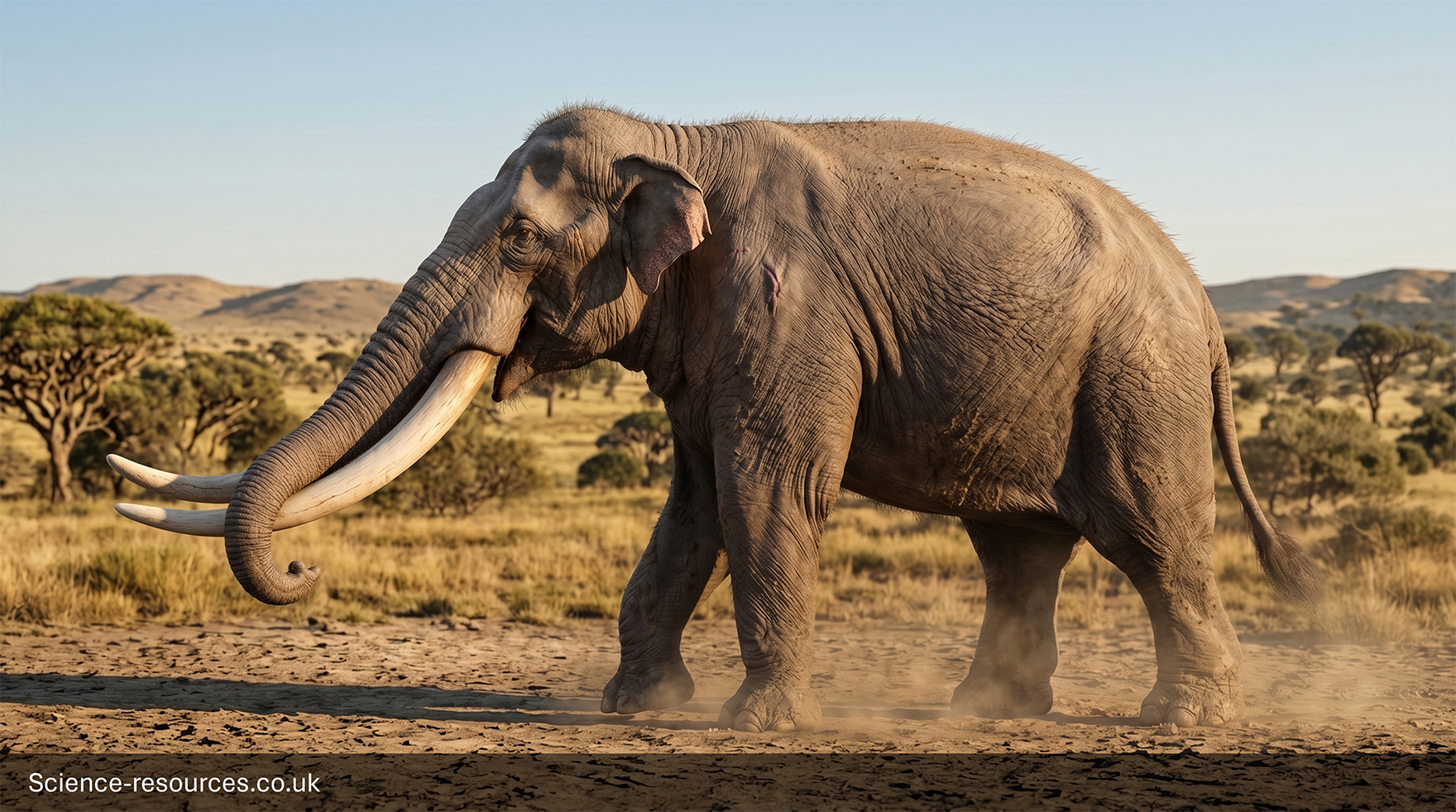 Stegodon
What is a Stegodon?
Stegodons were ancient relatives of today’s elephants, roaming the earth millions of years ago. These gentle giants walked the land alongside other prehistoric animals, including mammoths and mastodons. Stegodons were especially famous for their enormously long, nearly straight tusks that grew so close together they left no room for their trunk to hang between them!
How big were Stegodon?
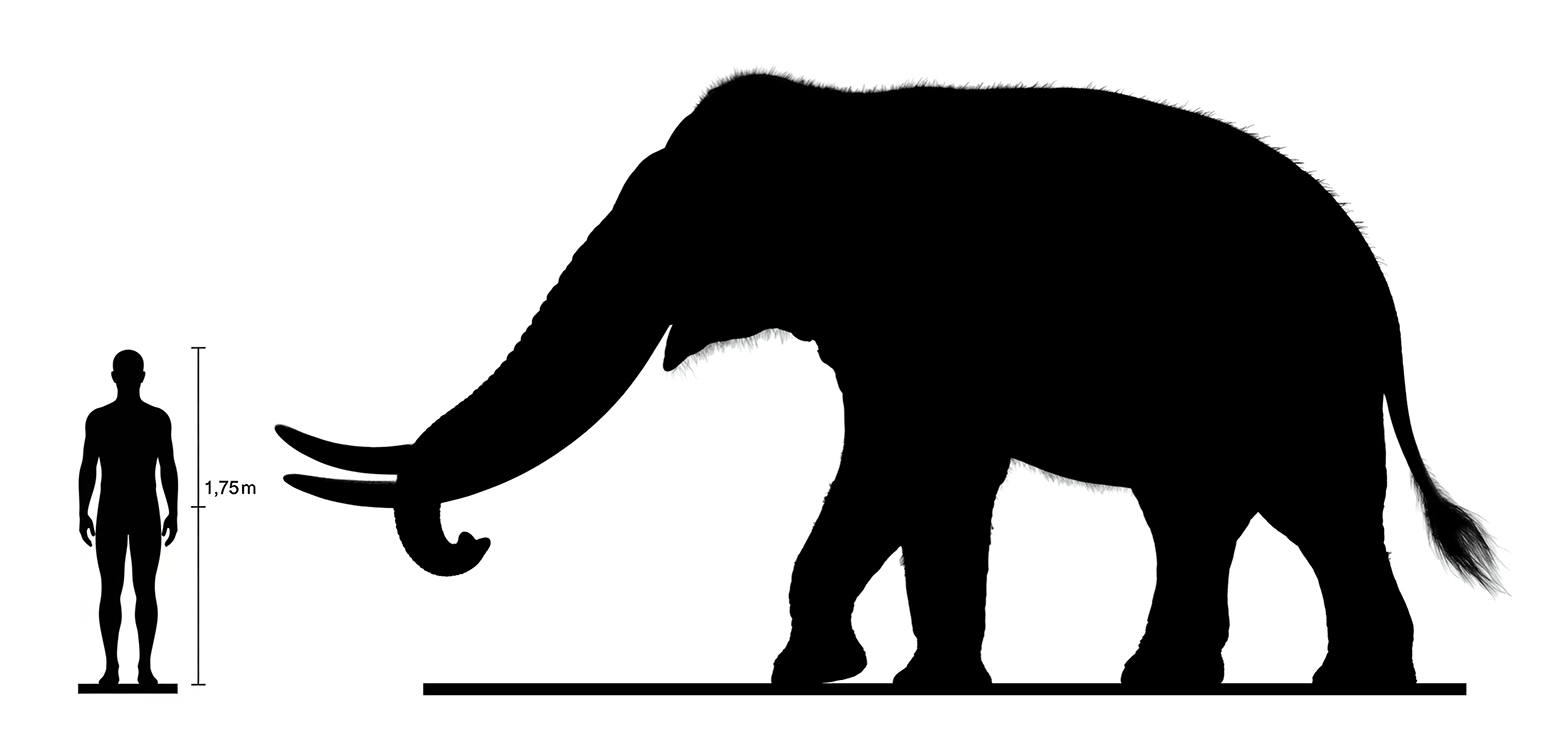
Stegodons were large creatures, with some species growing even bigger than modern elephants. The largest varieties could reach up to 4 metres tall at the shoulder and weighed about 11 to 12 tonnes!
What did Stegodon eat?
Like modern elephants, stegodons were herbivores. Their diet included leaves, twigs, fruits, and grass. Their teeth had a unique roof-like ridged shape, which was specially adapted for chewing and grinding tough vegetation in the forests and savannahs where they lived.
Stegodon appearance
- Large Large, bulky bodies with four sturdy legs.
- Enormously long, heavy tusks on the top jaw that grew closely parallel to each other.
- A long trunk that likely had to drape over the side of its massive tusks.
- Low, flat heads with wide skulls to support the weight of their giant tusks.
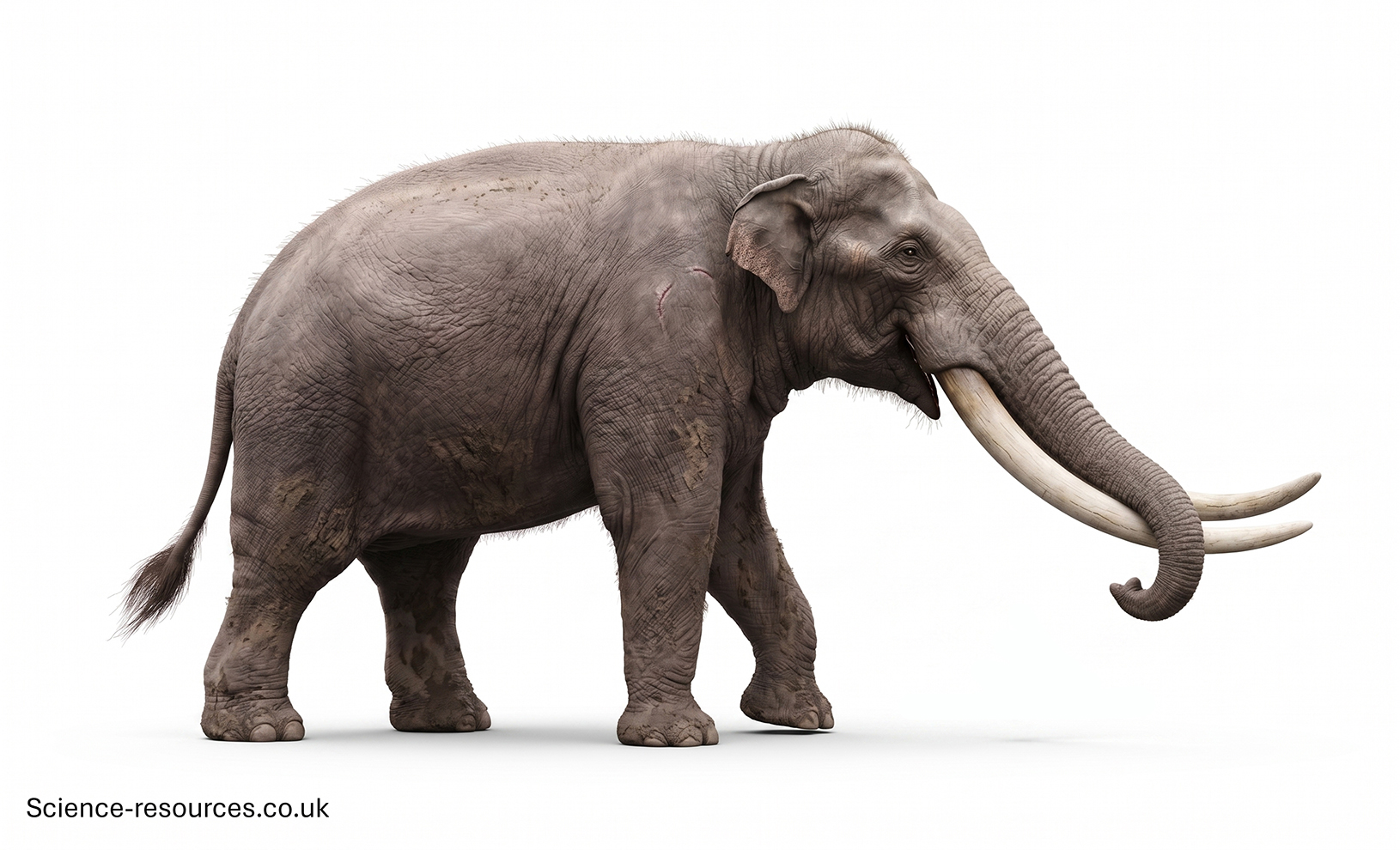 Stegodon appearance
Where did Stegodon live?
Fossils show that stegodons lived across Asia and parts of Africa. They preferred a variety of environments, ranging from dense forests to open woodlands and grassy savannahs. They were also excellent swimmers and managed to travel to many islands in Southeast Asia.
When did Stegodon live?
Stegodons appeared about 11 million years ago and survived until around 12,000 years ago, near the end of the last Ice Age. Some dwarf species on isolated islands may have survived until even more recently, meaning they lived at the same time as early humans!
Interesting facts
- Their name means “roof tooth” because the ridges on their molar teeth look like the peaked roof of a house.
- Because their tusks were so massive and grew so close together, the Stegodon couldn't drop its trunk straight down; it had to rest its trunk over its tusks.
- They were amazing swimmers, crossing deep ocean channels to reach islands like Flores, Sulawesi, and Cyprus.
- On these islands, they evolved into dwarf species to survive with less food, shrinking to a fraction of their mainland size.
Stegodon Facts
Pronounced: STEG-uh-don
Name Means: "Roof Tooth"
Length: Up to 8 metres (26 feet) long including tusks
Height: Up to 4 metres (13 feet) at the shoulder for large species
Weight: Around 11,000 to 12,000 kilograms (24,000 to 26,000 pounds)
Diet: Herbivore (Leaves, twigs, grass, and fruits)
Time: Lived from about 11 million to 12,000 years ago (Miocene to the end of the Pleistocene Epoch)
Fossils Found: Asia (including India, China, and Indonesia) and Africa
Fossils Found: North America
Which family of animals did Stegodon belong to?
They belonged to the family Stegodontidae, a distinct branch of the proboscidean (trunked mammal) family tree that evolved alongside true elephants and mammoths.
What other animals lived at the same time as Stegodon?
They lived alongside ancient rhinos, saber-toothed cats, giant pandas, and early humans.
Stegodon FAQ
Q1: What is a Stegodon?
A1. A Stegodon is an extinct mammal that looked like a giant elephant. It had an elephant-like body, a long trunk, and massive tusks, but belonged to its own unique animal family.
Q2. Were Stegodons dinosaurs?
A2. No, Stegodons were mammals, not dinosaurs. They lived millions of years after the dinosaurs went extinct.
Q3. How big were Stegodons?
A3. Main species of Stegodons were huge, growing up to 13 feet tall and weighing up to 12 tons! However, some island species shrank over time to become smaller than a horse.
Q4. What did Stegodons eat?
A4. Stegodons were herbivores. They used their teeth to crunch up plants, leaves, and soft bark from bushes and trees.
Q5. Where did Stegodons live?
A5. Stegodon fossils have been found across Asia and Africa, living in forests, meadows, and tropical islands.
Q6. What’s the difference between a Stegodon and a Mammoth?
A6. Stegodons had tusks that grew very close together and straight forward, whereas Mammoths had wide, spiraling curved tusks. Stegodons also had very unique roof-shaped ridges on their teeth.
Q7. When did Stegodons live?
A7. Stegodons lived from about 11 million years ago until around 12,000 years ago, disappearing around the end of the Ice Age.
Q8. Did humans ever see Stegodons?
A8. Yes! Early human ancestors and modern humans lived alongside Stegodons in Asia, and archaeological evidence suggests humans hunted them on islands.
Q9. Why did Stegodons go extinct?
A9. Scientists believe a combination of changing climates, shrinking forest habitats at the end of the Ice Age, and hunting by humans caused them to go extinct.
Q10. How do scientists learn about Stegodons?
A10. Scientists study fossilized bones, jaws, and teeth dug up by paleontologists. These fossils tell us what they ate, how large they grew, and where they travelled.
You may also be intrested in:
- Extinct Animals: A-Z
- Dinosaurs: A-Z
Tags: How big was Stegodon, Stegodon size, where did Stegodon live, how tall was Stegodon, what does Stegodon mean, Stegodon facts
Previous: Smilodon
Up next: Thylacoleo
© 2012 science-resources.co.uk. All rights reserved | Design by W3layouts
Extinct Animals: Stegodon
Discover the ancient relative of the elephant with massive, closely-packed tusks, that lived during the Ice Age.
Stegodon (Roofed Tooth)
Stegodon
What is a Stegodon?
Stegodons were ancient relatives of today’s elephants, roaming the earth millions of years ago. These gentle giants walked the land alongside other prehistoric animals, including mammoths and mastodons. Stegodons were especially famous for their enormously long, nearly straight tusks that grew so close together they left no room for their trunk to hang between them!
How big were Stegodon?
Stegodons were large creatures, with some species growing even bigger than modern elephants. The largest varieties could reach up to 4 metres tall at the shoulder and weighed about 11 to 12 tonnes!
What did Stegodon eat?
Like modern elephants, stegodons were herbivores. Their diet included leaves, twigs, fruits, and grass. Their teeth had a unique roof-like ridged shape, which was specially adapted for chewing and grinding tough vegetation in the forests and savannahs where they lived.
Stegodon appearance
- Large Large, bulky bodies with four sturdy legs.
- Enormously long, heavy tusks on the top jaw that grew closely parallel to each other.
- A long trunk that likely had to drape over the side of its massive tusks.
- Low, flat heads with wide skulls to support the weight of their giant tusks.
Stegodon appearance
Where did Stegodon live?
Fossils show that stegodons lived across Asia and parts of Africa. They preferred a variety of environments, ranging from dense forests to open woodlands and grassy savannahs. They were also excellent swimmers and managed to travel to many islands in Southeast Asia.
When did Stegodon live?
Stegodons appeared about 11 million years ago and survived until around 12,000 years ago, near the end of the last Ice Age. Some dwarf species on isolated islands may have survived until even more recently, meaning they lived at the same time as early humans!
Interesting facts
- Their name means “roof tooth” because the ridges on their molar teeth look like the peaked roof of a house.
- Because their tusks were so massive and grew so close together, the Stegodon couldn't drop its trunk straight down; it had to rest its trunk over its tusks.
- They were amazing swimmers, crossing deep ocean channels to reach islands like Flores, Sulawesi, and Cyprus.
- On these islands, they evolved into dwarf species to survive with less food, shrinking to a fraction of their mainland size.
Stegodon Facts
Pronounced: STEG-uh-don
Name Means: "Roof Tooth"
Length: Up to 8 metres (26 feet) long including tusks
Height: Up to 4 metres (13 feet) at the shoulder for large species
Weight: Around 11,000 to 12,000 kilograms (24,000 to 26,000 pounds)
Diet: Herbivore (Leaves, twigs, grass, and fruits)
Time: Lived from about 11 million to 12,000 years ago (Miocene to the end of the Pleistocene Epoch)
Fossils Found: Asia (including India, China, and Indonesia) and Africa
Fossils Found: North America
Which family of animals did Stegodon belong to?
They belonged to the family Stegodontidae, a distinct branch of the proboscidean (trunked mammal) family tree that evolved alongside true elephants and mammoths.
What other animals lived at the same time as Stegodon?
They lived alongside ancient rhinos, saber-toothed cats, giant pandas, and early humans.
Stegodon FAQ
Q1: What is a Stegodon?
A1. A Stegodon is an extinct mammal that looked like a giant elephant. It had an elephant-like body, a long trunk, and massive tusks, but belonged to its own unique animal family.
Q2. Were Stegodons dinosaurs?
A2. No, Stegodons were mammals, not dinosaurs. They lived millions of years after the dinosaurs went extinct.
Q3. How big were Stegodons?
A3. Main species of Stegodons were huge, growing up to 13 feet tall and weighing up to 12 tons! However, some island species shrank over time to become smaller than a horse.
Q4. What did Stegodons eat?
A4. Stegodons were herbivores. They used their teeth to crunch up plants, leaves, and soft bark from bushes and trees.
Q5. Where did Stegodons live?
A5. Stegodon fossils have been found across Asia and Africa, living in forests, meadows, and tropical islands.
Q6. What’s the difference between a Stegodon and a Mammoth?
A6. Stegodons had tusks that grew very close together and straight forward, whereas Mammoths had wide, spiraling curved tusks. Stegodons also had very unique roof-shaped ridges on their teeth.
Q7. When did Stegodons live?
A7. Stegodons lived from about 11 million years ago until around 12,000 years ago, disappearing around the end of the Ice Age.
Q8. Did humans ever see Stegodons?
A8. Yes! Early human ancestors and modern humans lived alongside Stegodons in Asia, and archaeological evidence suggests humans hunted them on islands.
Q9. Why did Stegodons go extinct?
A9. Scientists believe a combination of changing climates, shrinking forest habitats at the end of the Ice Age, and hunting by humans caused them to go extinct.
Q10. How do scientists learn about Stegodons?
A10. Scientists study fossilized bones, jaws, and teeth dug up by paleontologists. These fossils tell us what they ate, how large they grew, and where they travelled.
Tags: How big was Stegodon, Stegodon size, where did Stegodon live, how tall was Stegodon, what does Stegodon mean, Stegodon facts
Previous: Smilodon
Up next: Thylacoleo
© 2012 science-resources.co.uk. All rights reserved | Design by W3layouts