Last updated: 4th August 2025
Extinct Animals: A-Z
A-Z of Prehistoric Animals
a| b |d | e | g | h | i | l | m | p | s | t | w |
Welcome to our guide to extinct animals from the Cenozoic Era. Here, you can find a fascinating collection of prehistoric creatures, from the fearsome saber-toothed cats to the gigantic woolly mammoths, all arranged in alphabetical order for easy browsing. Each page provides a detailed fact file to help you learn more about these incredible animals and the world they lived in.
Click on any of the animals below to dive deeper into their history, characteristics, and eventual disappearance from our planet.
Quick links
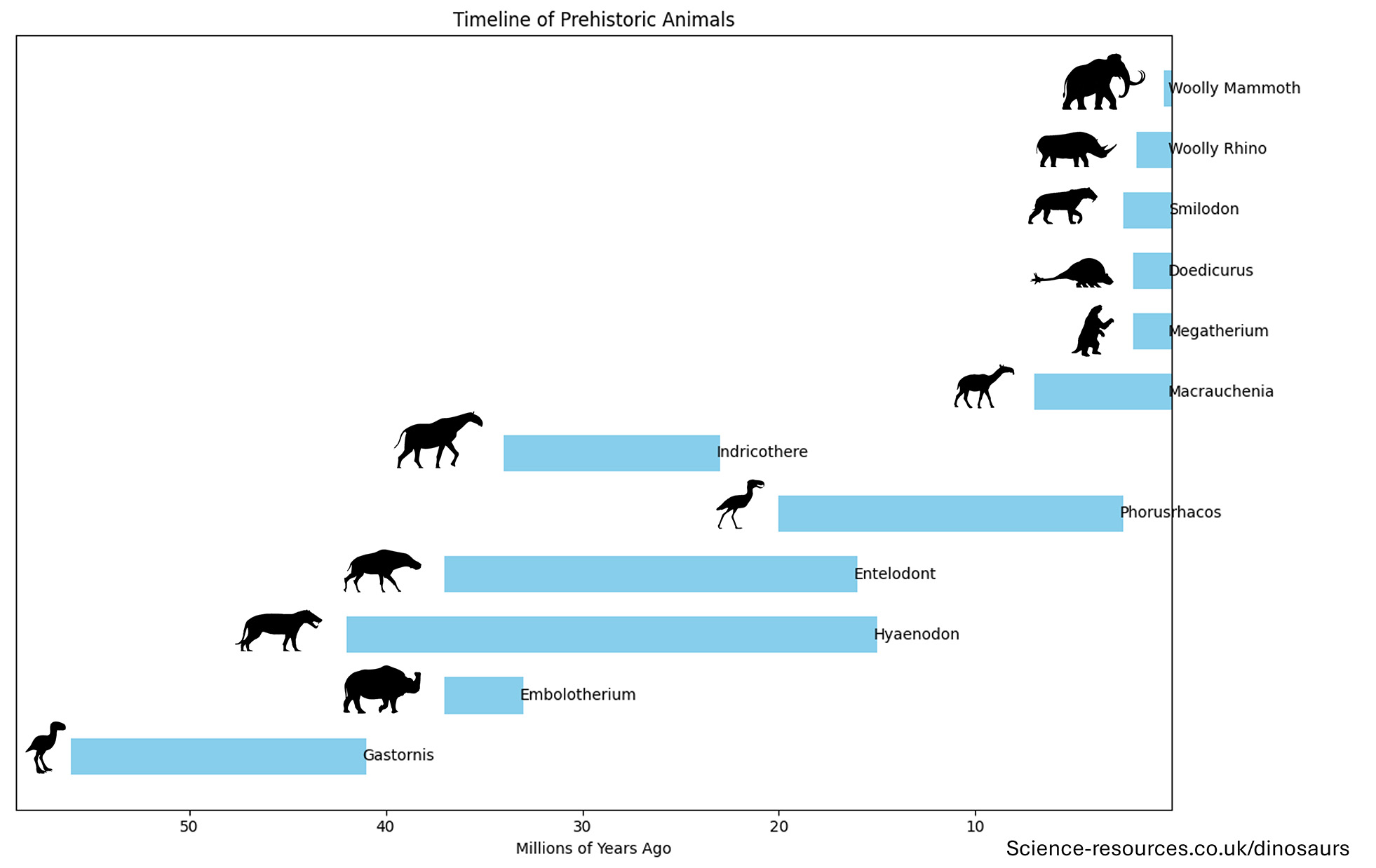 Timeline of Prehistoric Animals
a
Arsinoitherium
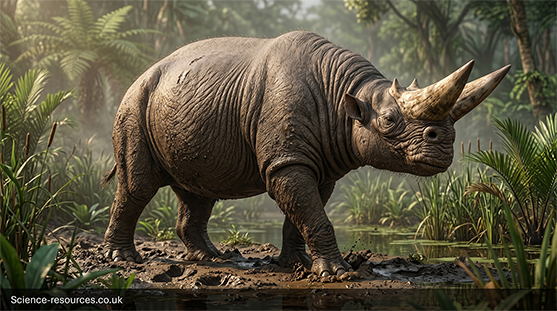
Arsinoitherium was a large, extinct herbivore that lived in North Africa and the Middle East during the Late Eocene and Early Oligocene epochs, roughly 36 to 27 million years ago. Though it looked like a modern rhinoceros, it was actually more closely related to elephants and sea cows.
b
Basilosaurus
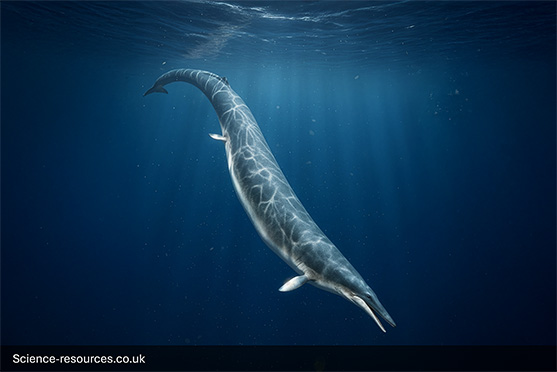
Basilosaurus was a gigantic prehistoric whale that swam in the world’s oceans millions of years ago. It was one of the first fully aquatic whales and a top predator during its time.
d
Daeodon
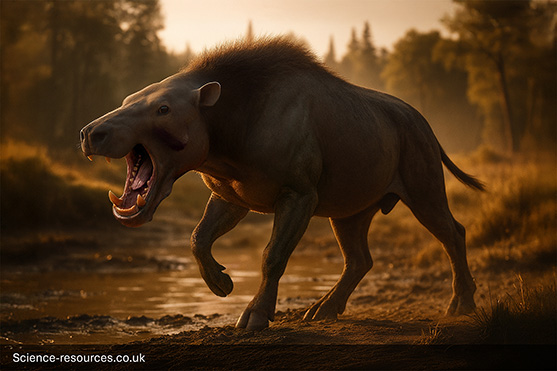
Daeodon was one of the largest entelodonts, living in North America during the late Oligocene and early Miocene. It had a huge skull, powerful jaws, and a muscular build, making it a dominant omnivore and likely a top scavenger.
Dire wolf
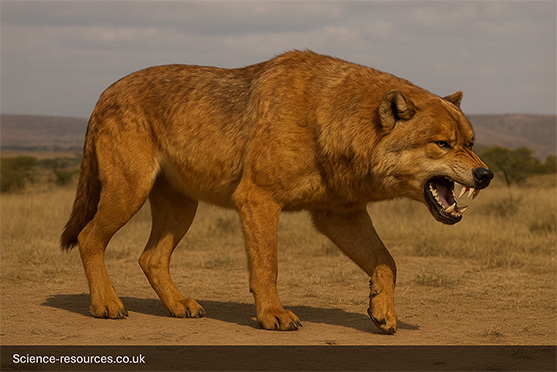
Dire Wolf was one of the largest canid predators of the Ice Age, roaming North and South America during the Late Pleistocene. With a robust frame, massive skull, and crushing bite force, it was a formidable hunter and likely a dominant pack scavenger in its ecosystem.
Doedicurus
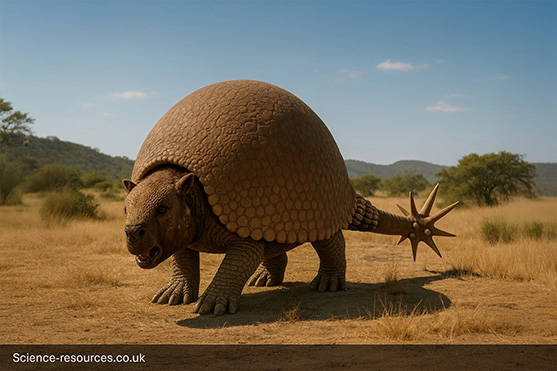
Doedicurus was a heavily armored mammal related to armadillos, living in South America during the Ice Age. It had a large, domed shell and a spiked tail used for defense against predators.
e
Elasmotherium
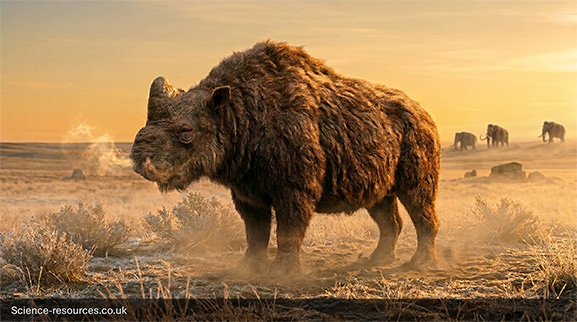
Elasmotherium (often called the "Siberian Unicorn") was an extinct genus of giant rhinoceros that lived across Eurasia during the Late Pleistocene epoch.
Embolotherium
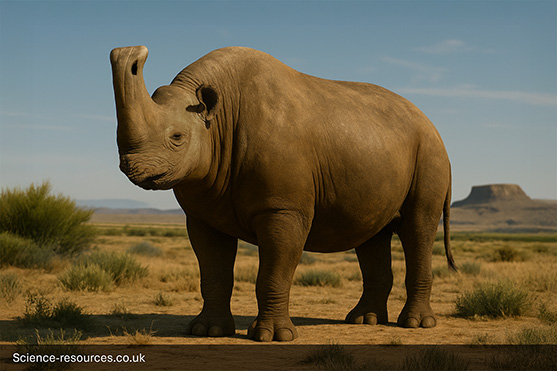
Embolotherium was a rhino-like herbivore from the Eocene of Central Asia. It had a large, bony crest on its head, possibly used for display or sound resonance, and browsed on soft vegetation.
Entelodon
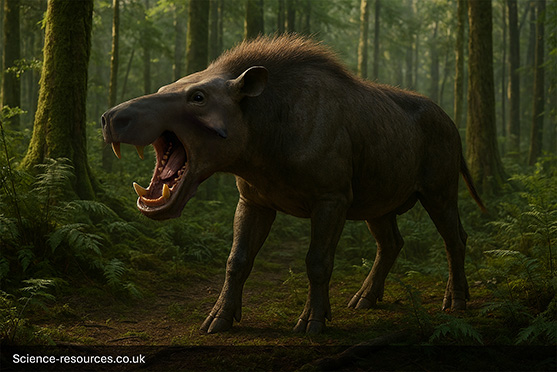
Entelodon was a massive, pig-like omnivores that lived during the late Eocene to Miocene. They had a huge head, strong jaws, and a bulky body, making them a formidable scavenger and predator.
Eohippus
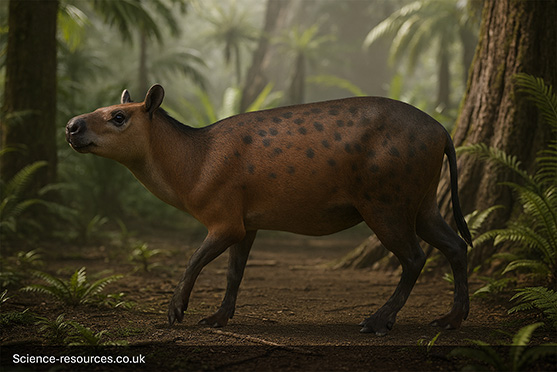
Eohippus was one of the earliest known horse ancestors, living in North America during the early Eocene. The size of a small dog, Eohippus had multiple toes and a lightly built frame, adapted for forested environments. Its diet of soft vegetation and agility made it a successful browser in its ancient ecosystem.
Gastornis
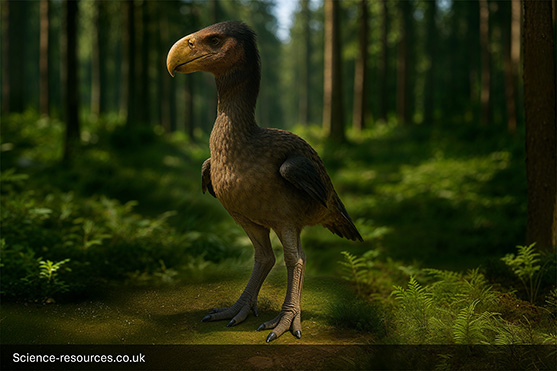
Gastornis was a giant, flightless bird that lived in Europe and North America during the Paleocene and Eocene. It had a massive beak and imposing size, and may have been herbivorous or omnivorous.
Gigantopithecus
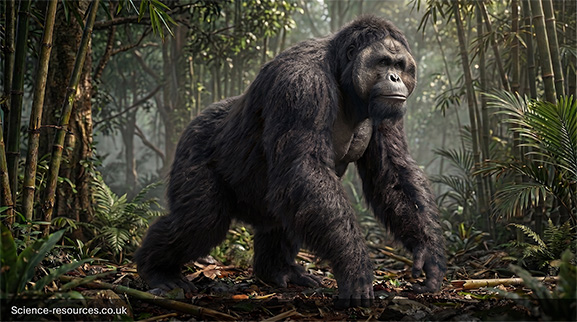
Gigantopithecus was a giant prehistoric ape that lived in the subtropical forests of southern China from about two million years ago until it went extinct roughly 295,000 to 215,000 years ago. It is one of the biggest primates scientists have ever discovered.
Glyptodon
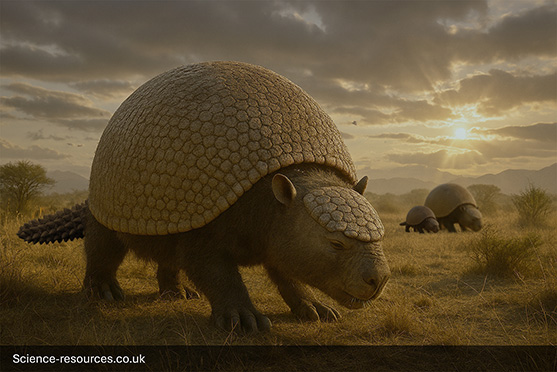
Glyptodon was a massive, armored mammal related to modern armadillos, living in South America during the Pleistocene. Protected by a domed shell and a spiked tail, it was a slow-moving herbivore that grazed on tough vegetation, using its size and defences to deter predators.
Gomphothere
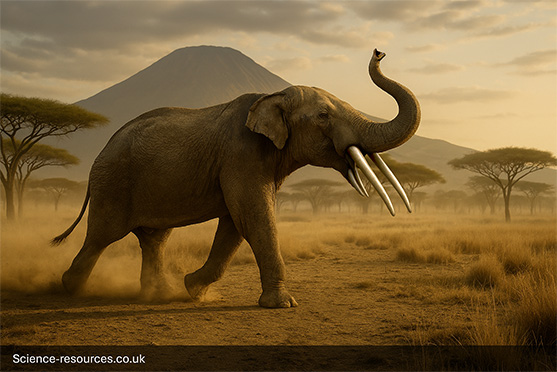
Gomphothere was a large, elephant-like mammal that roamed the Americas during the Ice Age. It had a long trunk and distinctive tusks, which it used to dig for roots and strip bark from trees. Unlike modern elephants, some species had four tusks and a flatter skull, helping them adapt to diverse environments.
Homotherium
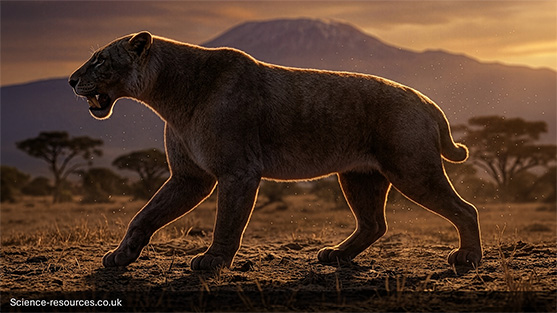
Homotherium was a large-bodied saber-toothed cat that roamed across North America, South America, Eurasia, and Africa for millions of years before going extinct about 12,000 years ago.
Hyaenodon
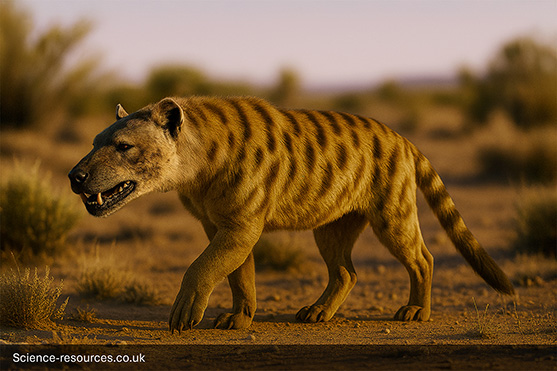
Hyaenodon was a large carnivorous mammal that lived from the Eocene to Miocene epochs. It had a long skull with powerful jaws and was a dominant predator in its environment, capable of crushing bone with ease.
Indricothere
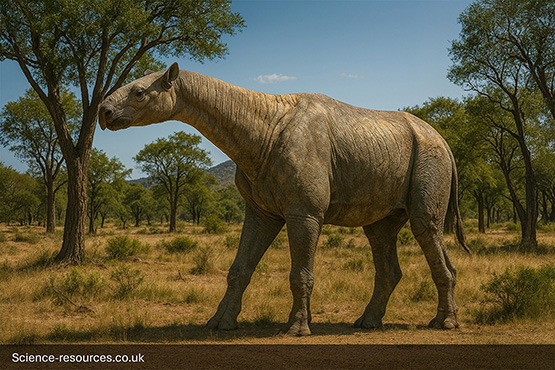
Indricothere was the largest land mammal ever to exist, living during the Oligocene. It was a hornless relative of the rhinoceros, with a long neck and massive body, feeding on treetop vegetation.
Livyatan
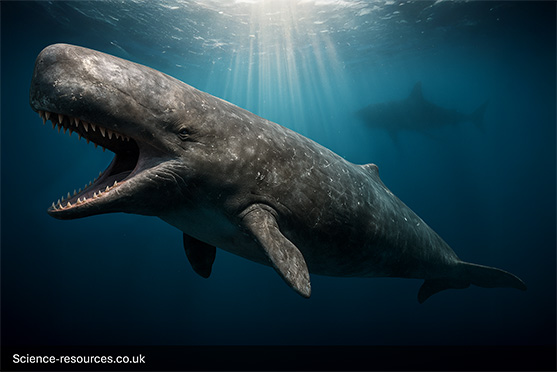
Livyatan was a colossal predatory whale from the Miocene epoch, inhabiting oceans around South America. Equipped with enormous teeth and a powerful bite, it rivaled modern sperm whales in size and hunted large marine animals, including other whales, making it one of the top apex predators of its time.
Macrauchenia
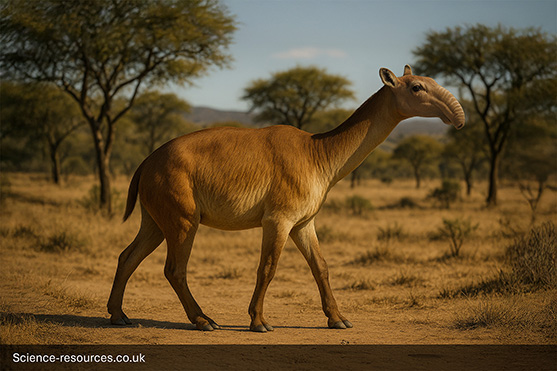
Macrauchenia was a long-necked, hoofed mammal from South America, resembling a camel with a short trunk. It lived from the Miocene to the Ice Age and grazed in open grasslands.
Mammoth
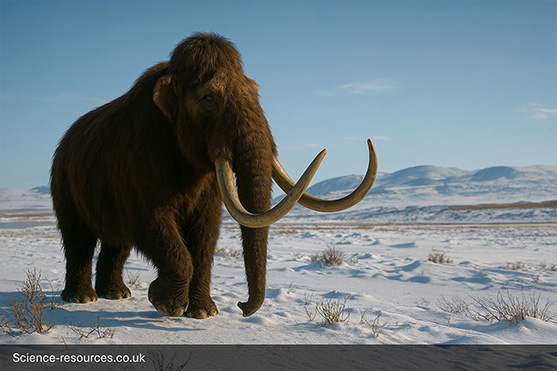
Woolly Mammoths were a giant, shaggy elephants that lived during the Pleistocene. they had long, curved tusks and a thick coat of fur, helping them survive in icy environments across Eurasia and North America.
Mastodon
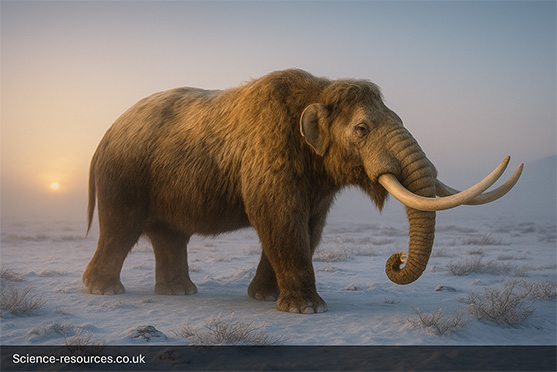
Mastodon was a shaggy, elephant-like mammal that lived across North America during the Ice Age. It had straight tusks and a low, sloping skull, which helped it browse on shrubs and trees. Unlike mammoths, mastodons had cusped teeth suited for chewing tough vegetation in forested environments.
Megalania
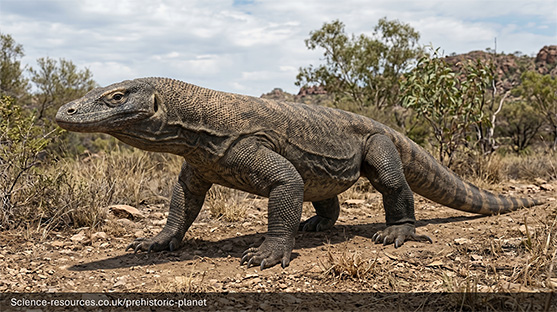
Megalania is a giant, extinct monitor lizard that roamed Australia during the Pleistocene epoch. Growing up to 7 meters (23 feet) in length, it is one of the largest lizards known to science.
Megaloceros
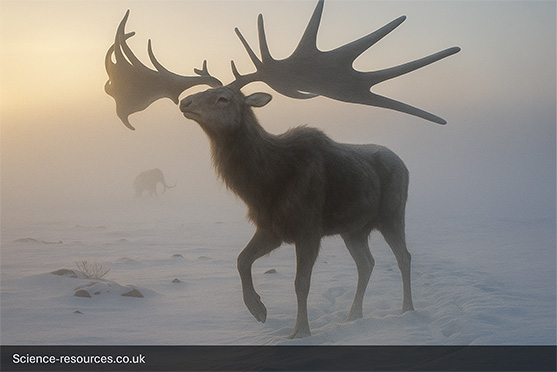
Megaloceros was a giant deer that lived across Europe and Asia during the Ice Age. It had enormous, wide-spreading antlers and a strong, muscular build, which it used for display and defense. Often called the "Irish Elk," it grazed in open woodlands and meadows, feeding on grasses and shrubs.
Megalodon
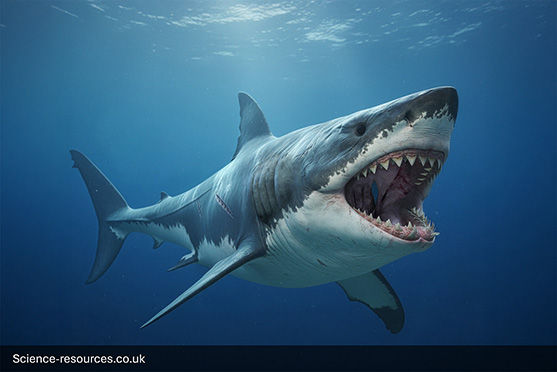
Megalodon was a gigantic prehistoric shark that dominated the oceans during the Miocene and Pliocene epochs. Reaching lengths of over 15 meters, it had massive jaws lined with serrated teeth, capable of crushing whale bones. As one of the largest marine predators in history, it ruled the seas with unmatched power.
Megatherium
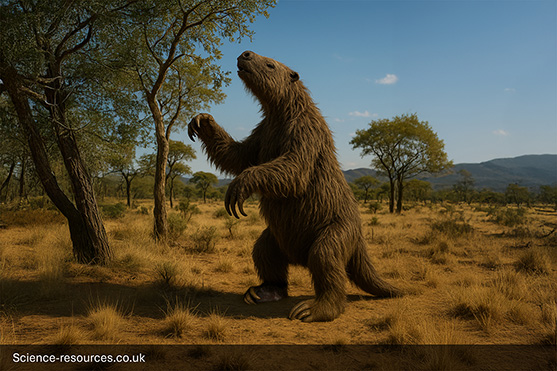
Megatherium was a giant ground sloth from South America that lived during the Pleistocene. It had massive claws and a bulky frame, feeding on leaves and possibly standing upright to reach higher branches.
Paraceratherium
Paraceratherium was the largest land mammal ever to exist, living during the Oligocene. It was a hornless relative of the rhinoceros, with a long neck and massive body, feeding on treetop vegetation.
Phorusrhacos
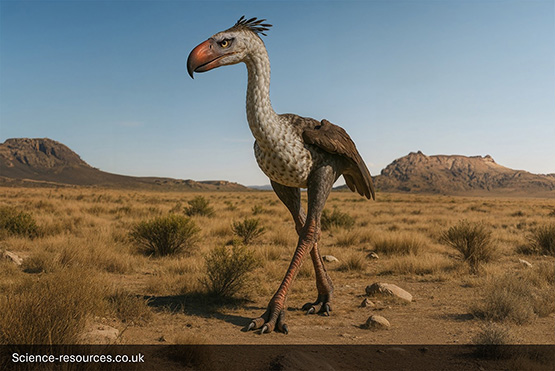
Phorusrhacos was a large, flightless bird from South America, known as a “terror bird.” It had a strong beak and long legs, making it a fast and deadly predator during the Miocene.
Smilodon
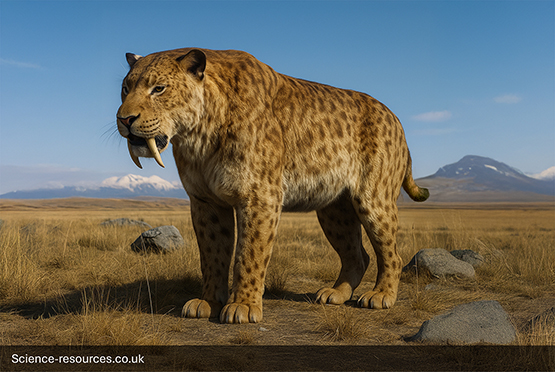
Smilodon was a powerful saber-toothed cat that lived in the Americas during the Ice Age. It had massive forelimbs and long, curved canine teeth, which it used to take down large prey.
Stegodon
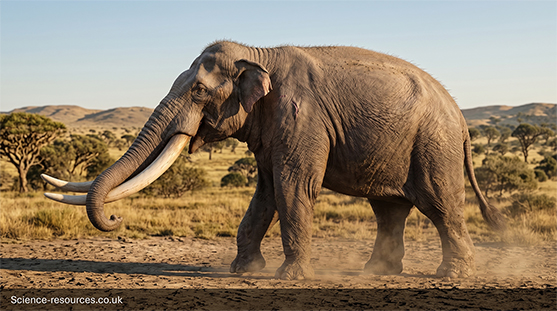
Stegodon is a large extinct prehistoric mammal related to modern elephants. They lived across Africa and Asia from the late Miocene to the late Pleistocene epoch, roughly 11.6 million to just 4,100 years ago.
Thylacoleo
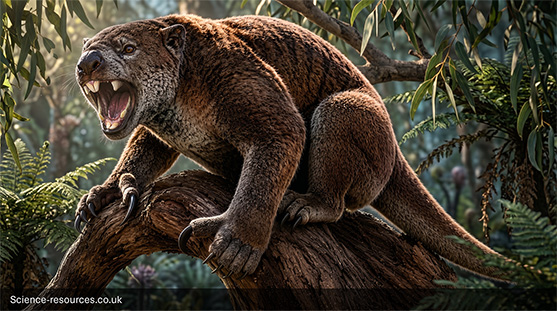
Thylacoleo (commonly known as the "marsupial lion") is an extinct carnivorous marsupial that lived in Australia from the late Pliocene to the late Pleistocene epoch.
Titanoboa
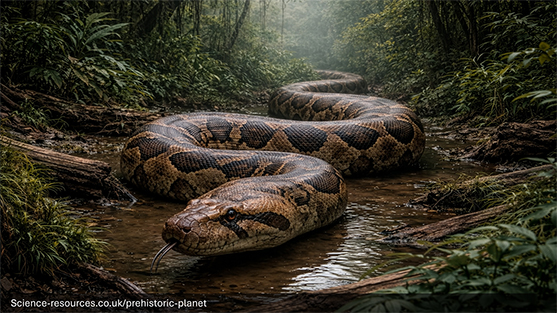
Titanoboa is a massive extinct non-venomous constrictor snake that lived approximately 58 to 60 million years ago during the Paleocene epoch.
Woolly Rhinoceros
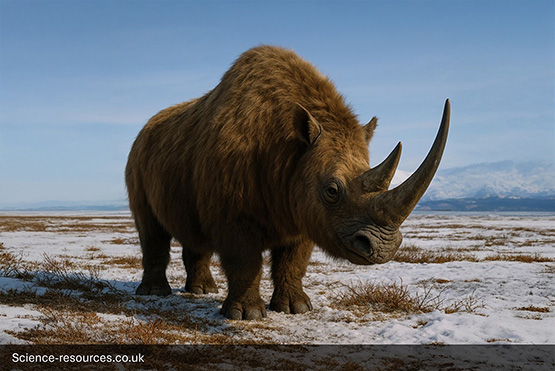
Woolly Rhinoceros was a large Ice Age mammal adapted to cold climates. It had a thick coat of fur and a prominent curved horn, which it used to clear snow and graze on frozen grasslands.
You may also be intrested in:
- Extinct Animals: A-Z
- Dinosaurs: A-Z
Tags: Hyaenodon, Entelodont, Woolly Rhino, Woolly Mammoth, Smilodon, Phorusrhacos, Indricothere, Doedicurus, Gastornis, Embolotherium, Megatherium, Macrauchenia, Daeodon
Up next: Daeodon
© 2012 science-resources.co.uk. All rights reserved | Design by W3layouts
Extinct Animals: A-Z
A-Z of Prehistoric Animals
a| b |d | e | g | h | i | l | m | p | s | t | w |
Welcome to our guide to extinct animals from the Cenozoic Era. Here, you can find a fascinating collection of prehistoric creatures, from the fearsome saber-toothed cats to the gigantic woolly mammoths, all arranged in alphabetical order for easy browsing. Each page provides a detailed fact file to help you learn more about these incredible animals and the world they lived in.
Click on any of the animals below to dive deeper into their history, characteristics, and eventual disappearance from our planet.
Quick links
Timeline of Prehistoric Animals
a
Arsinoitherium
Arsinoitherium was a large, extinct herbivore that lived in North Africa and the Middle East during the Late Eocene and Early Oligocene epochs, roughly 36 to 27 million years ago. Though it looked like a modern rhinoceros, it was actually more closely related to elephants and sea cows.
b
Basilosaurus
Basilosaurus was a gigantic prehistoric whale that swam in the world’s oceans millions of years ago. It was one of the first fully aquatic whales and a top predator during its time.
d
Daeodon
Daeodon was one of the largest entelodonts, living in North America during the late Oligocene and early Miocene. It had a huge skull, powerful jaws, and a muscular build, making it a dominant omnivore and likely a top scavenger.
Dire wolf
Dire Wolf was one of the largest canid predators of the Ice Age, roaming North and South America during the Late Pleistocene. With a robust frame, massive skull, and crushing bite force, it was a formidable hunter and likely a dominant pack scavenger in its ecosystem.
Doedicurus
Doedicurus was a heavily armored mammal related to armadillos, living in South America during the Ice Age. It had a large, domed shell and a spiked tail used for defense against predators.
e
Elasmotherium
Elasmotherium (often called the "Siberian Unicorn") was an extinct genus of giant rhinoceros that lived across Eurasia during the Late Pleistocene epoch.
Embolotherium
Embolotherium was a rhino-like herbivore from the Eocene of Central Asia. It had a large, bony crest on its head, possibly used for display or sound resonance, and browsed on soft vegetation.
Entelodon
Entelodon was a massive, pig-like omnivores that lived during the late Eocene to Miocene. They had a huge head, strong jaws, and a bulky body, making them a formidable scavenger and predator.
Eohippus
Eohippus was one of the earliest known horse ancestors, living in North America during the early Eocene. The size of a small dog, Eohippus had multiple toes and a lightly built frame, adapted for forested environments. Its diet of soft vegetation and agility made it a successful browser in its ancient ecosystem.
Gastornis
Gastornis was a giant, flightless bird that lived in Europe and North America during the Paleocene and Eocene. It had a massive beak and imposing size, and may have been herbivorous or omnivorous.
Gigantopithecus
Gigantopithecus was a giant prehistoric ape that lived in the subtropical forests of southern China from about two million years ago until it went extinct roughly 295,000 to 215,000 years ago. It is one of the biggest primates scientists have ever discovered.
Glyptodon
Glyptodon was a massive, armored mammal related to modern armadillos, living in South America during the Pleistocene. Protected by a domed shell and a spiked tail, it was a slow-moving herbivore that grazed on tough vegetation, using its size and defences to deter predators.
Gomphothere
Gomphothere was a large, elephant-like mammal that roamed the Americas during the Ice Age. It had a long trunk and distinctive tusks, which it used to dig for roots and strip bark from trees. Unlike modern elephants, some species had four tusks and a flatter skull, helping them adapt to diverse environments.
Homotherium
Homotherium was a large-bodied saber-toothed cat that roamed across North America, South America, Eurasia, and Africa for millions of years before going extinct about 12,000 years ago.
Hyaenodon
Hyaenodon was a large carnivorous mammal that lived from the Eocene to Miocene epochs. It had a long skull with powerful jaws and was a dominant predator in its environment, capable of crushing bone with ease.
Indricothere
Indricothere was the largest land mammal ever to exist, living during the Oligocene. It was a hornless relative of the rhinoceros, with a long neck and massive body, feeding on treetop vegetation.
Livyatan
Livyatan was a colossal predatory whale from the Miocene epoch, inhabiting oceans around South America. Equipped with enormous teeth and a powerful bite, it rivaled modern sperm whales in size and hunted large marine animals, including other whales, making it one of the top apex predators of its time.
Macrauchenia
Macrauchenia was a long-necked, hoofed mammal from South America, resembling a camel with a short trunk. It lived from the Miocene to the Ice Age and grazed in open grasslands.
Mammoth
Woolly Mammoths were a giant, shaggy elephants that lived during the Pleistocene. they had long, curved tusks and a thick coat of fur, helping them survive in icy environments across Eurasia and North America.
Mastodon
Mastodon was a shaggy, elephant-like mammal that lived across North America during the Ice Age. It had straight tusks and a low, sloping skull, which helped it browse on shrubs and trees. Unlike mammoths, mastodons had cusped teeth suited for chewing tough vegetation in forested environments.
Megalania
Megalania is a giant, extinct monitor lizard that roamed Australia during the Pleistocene epoch. Growing up to 7 meters (23 feet) in length, it is one of the largest lizards known to science.
Megaloceros
Megaloceros was a giant deer that lived across Europe and Asia during the Ice Age. It had enormous, wide-spreading antlers and a strong, muscular build, which it used for display and defense. Often called the "Irish Elk," it grazed in open woodlands and meadows, feeding on grasses and shrubs.
Megalodon
Megalodon was a gigantic prehistoric shark that dominated the oceans during the Miocene and Pliocene epochs. Reaching lengths of over 15 meters, it had massive jaws lined with serrated teeth, capable of crushing whale bones. As one of the largest marine predators in history, it ruled the seas with unmatched power.
Megatherium
Megatherium was a giant ground sloth from South America that lived during the Pleistocene. It had massive claws and a bulky frame, feeding on leaves and possibly standing upright to reach higher branches.
Paraceratherium
Paraceratherium was the largest land mammal ever to exist, living during the Oligocene. It was a hornless relative of the rhinoceros, with a long neck and massive body, feeding on treetop vegetation.
Phorusrhacos
Phorusrhacos was a large, flightless bird from South America, known as a “terror bird.” It had a strong beak and long legs, making it a fast and deadly predator during the Miocene.
Smilodon
Smilodon was a powerful saber-toothed cat that lived in the Americas during the Ice Age. It had massive forelimbs and long, curved canine teeth, which it used to take down large prey.
Stegodon
Stegodon is a large extinct prehistoric mammal related to modern elephants. They lived across Africa and Asia from the late Miocene to the late Pleistocene epoch, roughly 11.6 million to just 4,100 years ago.
Thylacoleo
Thylacoleo (commonly known as the "marsupial lion") is an extinct carnivorous marsupial that lived in Australia from the late Pliocene to the late Pleistocene epoch.
Titanoboa
Titanoboa is a massive extinct non-venomous constrictor snake that lived approximately 58 to 60 million years ago during the Paleocene epoch.
Woolly Rhinoceros
Woolly Rhinoceros was a large Ice Age mammal adapted to cold climates. It had a thick coat of fur and a prominent curved horn, which it used to clear snow and graze on frozen grasslands.
Tags: Hyaenodon, Entelodont, Woolly Rhino, Woolly Mammoth, Smilodon, Phorusrhacos, Indricothere, Doedicurus, Gastornis, Embolotherium, Megatherium, Macrauchenia, Daeodon
Up next: Daeodon
© 2012 science-resources.co.uk. All rights reserved | Design by W3layouts