Generative AI Notification: Some elements of this image have been created or enhanced using AI technology. To find out how we create all our prehistoric animals, click here.
Last updated: 24th January 2026
Before Dinosaurs: Arthropleura
Arthropleura, a gigantic millipede‑like arthropod that lived in Carboniferous forests.
Arthropleura (Jointed Ribs)
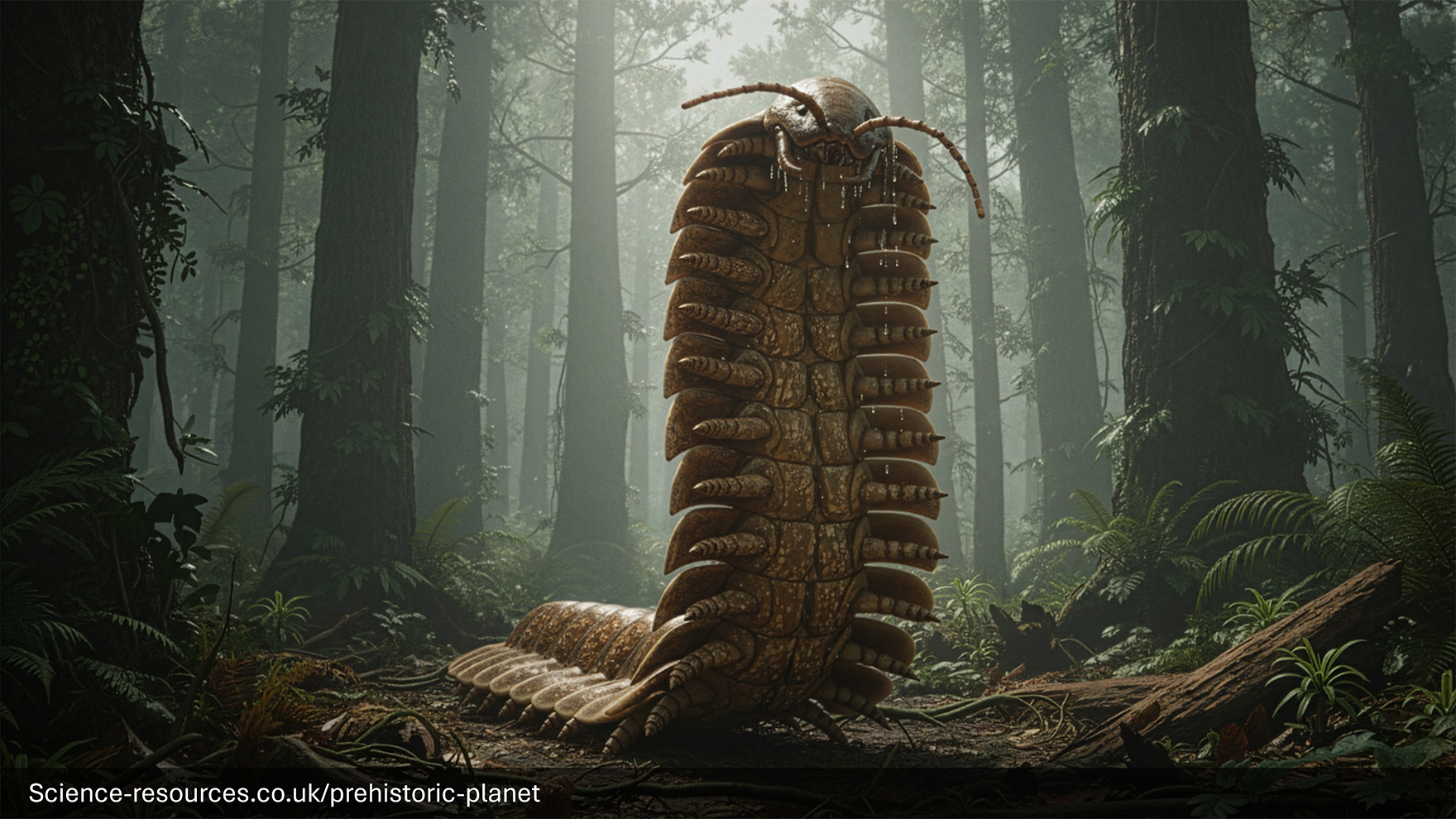 Arthropleura
What is Arthropleura?
Arthropleura was a massive, ancient land-dwelling invertebrate that lived hundreds of millions of years ago. It belonged to a group called myriapods, which are related to today’s millipedes and centipedes. Arthropleura was one of the largest invertebrates ever to crawl on land and was truly an impressive sight in its time.
How big was Arthropleura?
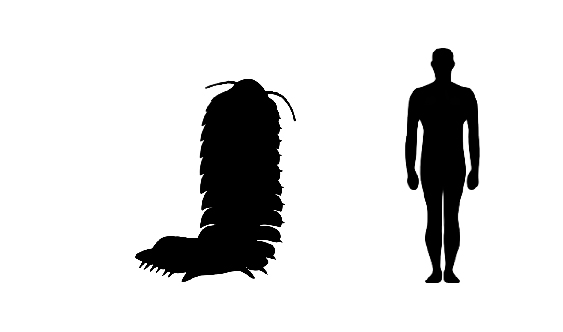
Arthropleura could reach lengths of up to 2.5 metres (over 8 feet)—as long as a small car! Its body was made up of lots of jointed segments, giving it a long and armoured appearance as it moved through the ancient forests.
What did Arthropleura eat?
Arthropleura was most likely a herbivore, feeding on decaying plant material, ferns, and leaves that covered the forest floor. It used its powerful jaws to chew through tough plant matter.
Arthropleura appearance
Arthropleura had a flat, wide body made up of many segments, each with a pair of legs, making it look a bit like a giant, armoured millipede. Its tough exoskeleton offered protection and helped it navigate through dense prehistoric forests.
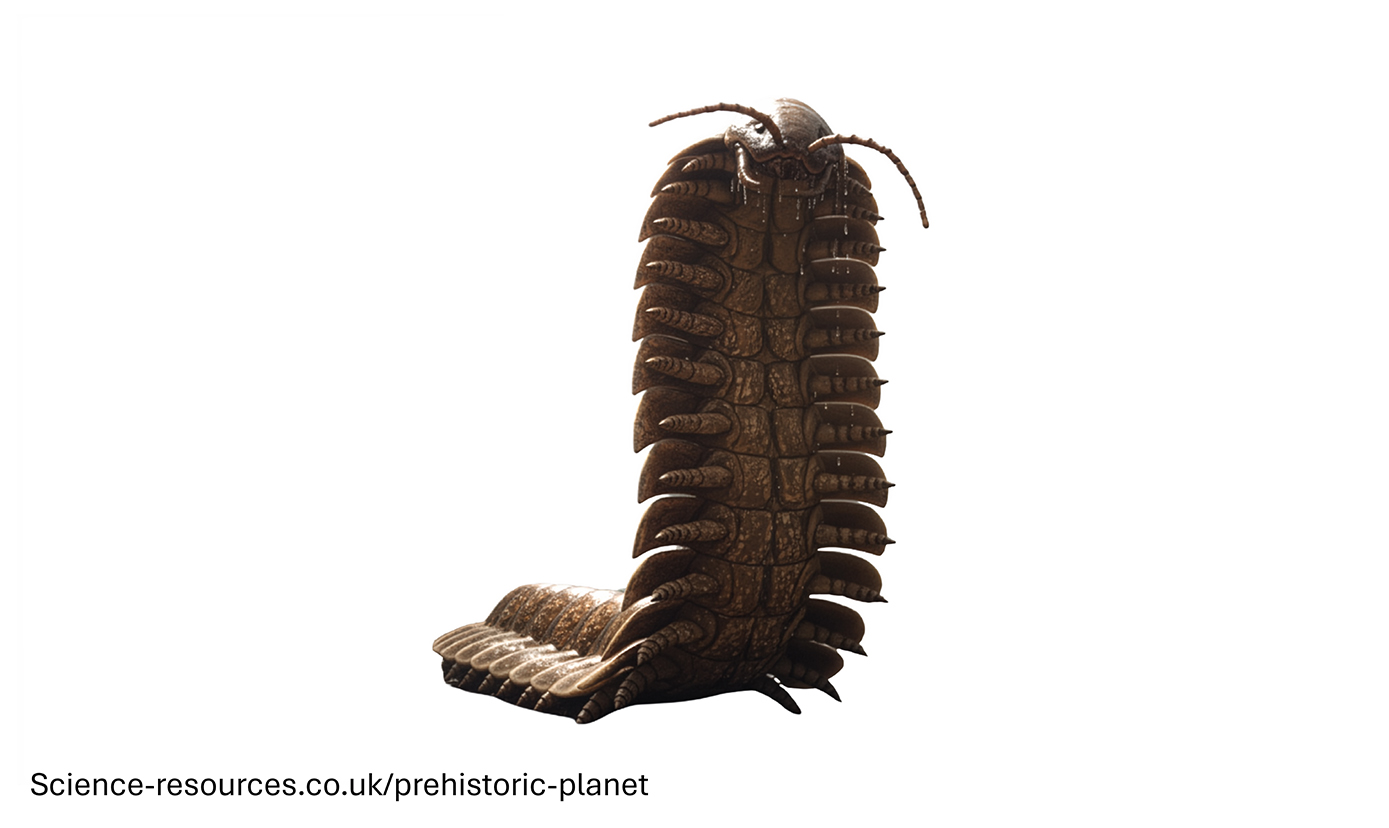 Arthropleura appearance
Where did Arthropleura live?
Fossils of Arthropleura have been found in parts of Europe and North America, especially in areas that were once covered in vast, swampy forests. It thrived in warm, humid environments during the Carboniferous Period.
Interesting facts
- Its name means "jointed ribs" in Greek.
- Arthropleura was longer than most humans are tall.
- It lived about 300 million years ago, long before dinosaurs appeared.
Arthropleura Facts
Pronounced: Ar-thro-PLUR-ah
Name Means: "Jointed Ribs"
Length: Up to 2.5 metres (8 feet)
Diet: Herbivore (plant-eater)
Time: Carboniferous Period (about 359–299 million years ago)
Fossils Found: North America, Europe
Which family of animals did Arthropleura belong to?
Arthropleura belonged to the family Arthropleuridae, a group of ancient millipede-like myriapods. These creatures are distant relatives of modern millipedes and centipedes.
What other animals lived at the same time as Arthropleura?
Arthropleura shared its forests with giant insects like dragonflies (Meganeura), early amphibians, enormous cockroaches, and the first reptiles during the Carboniferous Period.
Arthropleura FAQ
Q1: What is Arthropleura?
A1: Arthropleura is an extinct giant millipede-like invertebrate that lived about 300 million years ago. It was one of the largest land invertebrates of all time.
Q2: What did Arthropleura look like?
A2: Arthropleura had a long, flat, segmented body with many legs, looking like a super-sized millipede.
Q3: How big was Arthropleura?
A3: It could grow up to 2.5 metres (8 feet) or more in length.
Q4: What did Arthropleura eat?
A4: Arthropleura most likely ate plants, especially decaying leaves and ferns.
Q5: Where did Arthropleura live?
A5: It lived in swampy forests of ancient Europe and North America.
Q6: When did Arthropleura go extinct?
A6: Arthropleura disappeared about 299 million years ago, near the end of the Carboniferous Period.
Q7: Was Arthropleura dangerous to humans?
A7: While Arthropleura was huge, there’s no evidence it was dangerous to humans, it lived long before people existed!
Q8: How is Arthropleura related to modern animals?
A8: Arthropleura is distantly related to today’s millipedes and centipedes.
Q9: Who discovered Arthropleura?
A9: Arthropleura fossils were first described by scientists in the 19th century.
Q10: Are there any complete skeletons of Arthropleura?
A10: Only body segments and fossilised tracks have been found; the soft parts of its body did not fossilise.
You may also be intrested in:
- Extinct Animals: A-Z
- Dinosaurs: A-Z
Tags: How big was Arthropleura, Arthropleura, where did Arthropleura live, how long was Arthropleura, what does Arthropleura mean, Arthropleura facts
Previous: Anomalocaris
Up next: Cambropachycope
© 2012 science-resources.co.uk. All rights reserved | Design by W3layouts
Before Dinosaurs: Arthropleura
Arthropleura, a gigantic millipede‑like arthropod that lived in Carboniferous forests.
Arthropleura (Jointed Ribs)
Arthropleura
What is Arthropleura?
Arthropleura was a massive, ancient land-dwelling invertebrate that lived hundreds of millions of years ago. It belonged to a group called myriapods, which are related to today’s millipedes and centipedes. Arthropleura was one of the largest invertebrates ever to crawl on land and was truly an impressive sight in its time.
How big was Arthropleura?
Arthropleura could reach lengths of up to 2.5 metres (over 8 feet)—as long as a small car! Its body was made up of lots of jointed segments, giving it a long and armoured appearance as it moved through the ancient forests.
What did Arthropleura eat?
Arthropleura was most likely a herbivore, feeding on decaying plant material, ferns, and leaves that covered the forest floor. It used its powerful jaws to chew through tough plant matter.
Arthropleura appearance
Arthropleura had a flat, wide body made up of many segments, each with a pair of legs, making it look a bit like a giant, armoured millipede. Its tough exoskeleton offered protection and helped it navigate through dense prehistoric forests.
Arthropleura appearance
Where did Arthropleura live?
Fossils of Arthropleura have been found in parts of Europe and North America, especially in areas that were once covered in vast, swampy forests. It thrived in warm, humid environments during the Carboniferous Period.
Interesting facts
- Its name means "jointed ribs" in Greek.
- Arthropleura was longer than most humans are tall.
- It lived about 300 million years ago, long before dinosaurs appeared.
Arthropleura Facts
Pronounced: Ar-thro-PLUR-ah
Name Means: "Jointed Ribs"
Length: Up to 2.5 metres (8 feet)
Diet: Herbivore (plant-eater)
Time: Carboniferous Period (about 359–299 million years ago)
Fossils Found: North America, Europe
Which family of animals did Arthropleura belong to?
Arthropleura belonged to the family Arthropleuridae, a group of ancient millipede-like myriapods. These creatures are distant relatives of modern millipedes and centipedes.
What other animals lived at the same time as Arthropleura?
Arthropleura shared its forests with giant insects like dragonflies (Meganeura), early amphibians, enormous cockroaches, and the first reptiles during the Carboniferous Period.
Arthropleura FAQ
Q1: What is Arthropleura?
A1: Arthropleura is an extinct giant millipede-like invertebrate that lived about 300 million years ago. It was one of the largest land invertebrates of all time.
Q2: What did Arthropleura look like?
A2: Arthropleura had a long, flat, segmented body with many legs, looking like a super-sized millipede.
Q3: How big was Arthropleura?
A3: It could grow up to 2.5 metres (8 feet) or more in length.
Q4: What did Arthropleura eat?
A4: Arthropleura most likely ate plants, especially decaying leaves and ferns.
Q5: Where did Arthropleura live?
A5: It lived in swampy forests of ancient Europe and North America.
Q6: When did Arthropleura go extinct?
A6: Arthropleura disappeared about 299 million years ago, near the end of the Carboniferous Period.
Q7: Was Arthropleura dangerous to humans?
A7: While Arthropleura was huge, there’s no evidence it was dangerous to humans, it lived long before people existed!
Q8: How is Arthropleura related to modern animals?
A8: Arthropleura is distantly related to today’s millipedes and centipedes.
Q9: Who discovered Arthropleura?
A9: Arthropleura fossils were first described by scientists in the 19th century.
Q10: Are there any complete skeletons of Arthropleura?
A10: Only body segments and fossilised tracks have been found; the soft parts of its body did not fossilise.
Tags: How big was Arthropleura, Arthropleura, where did Arthropleura live, how long was Arthropleura, what does Arthropleura mean, Arthropleura facts
Previous: Anomalocaris
Up next: Cambropachycope
© 2012 science-resources.co.uk. All rights reserved | Design by W3layouts