Generative AI Notification: Some elements of this image have been created or enhanced using AI technology. To find out how we create all our prehistoric animals, click here.
Last updated: 24th January 2026
Before Dinosaurs: Hallucigenia
Hallucigenia, a small, worm-like animal that lived long before dinosaurs, known for its spiny back and soft, tentacle-like legs.
Hallucigenia (Like a hallucination)
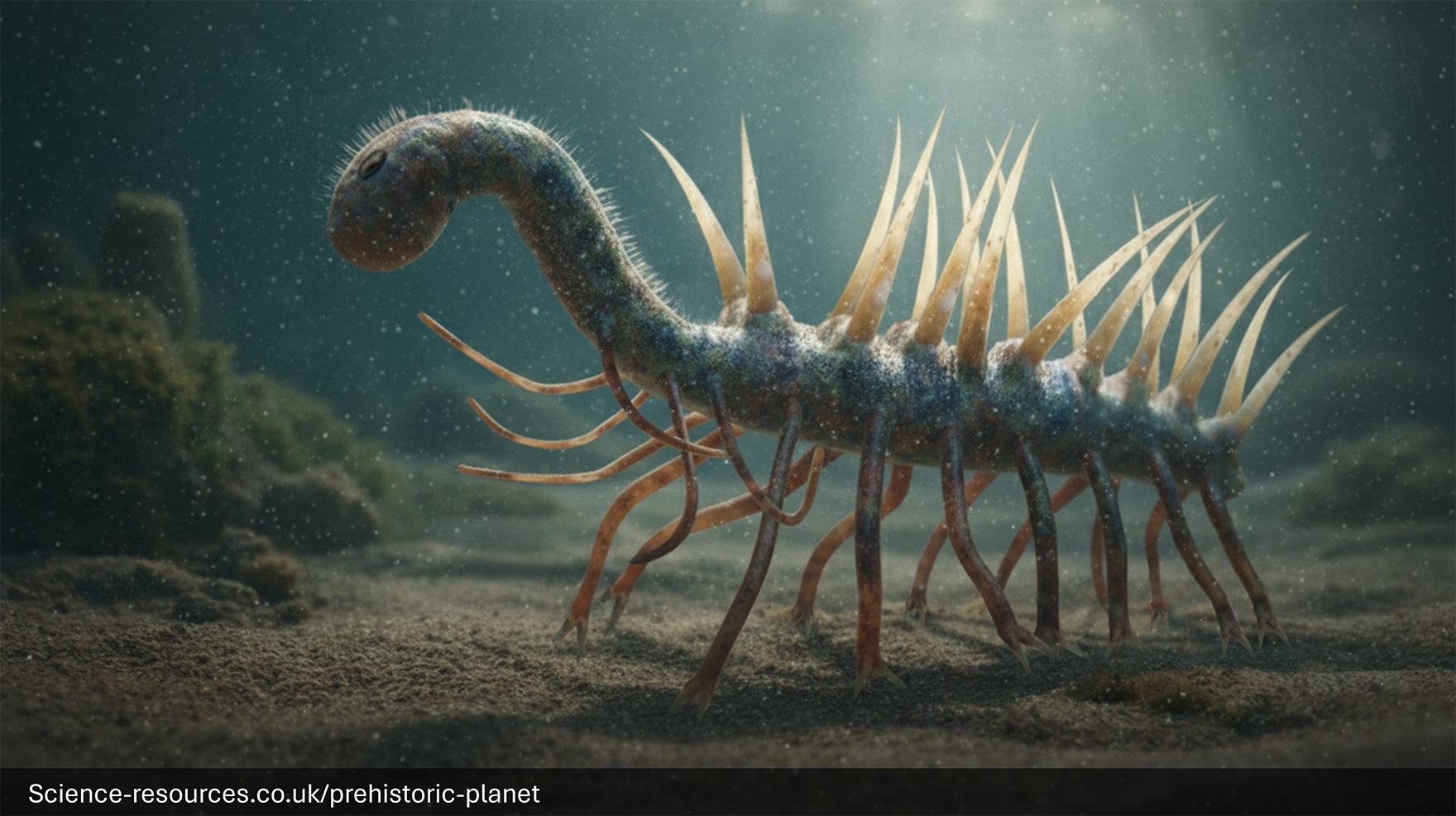 Hallucigenia
What is Hallucigenia?
Hallucigenia was a truly strange and ancient creature that lived hundreds of millions of years ago. It belonged to a group called lobopodians, which are distant relatives of modern worms and arthropods. Hallucigenia’s unusual appearance made it one of the most puzzling animals scientists have ever studied.
How big was Hallucigenia?
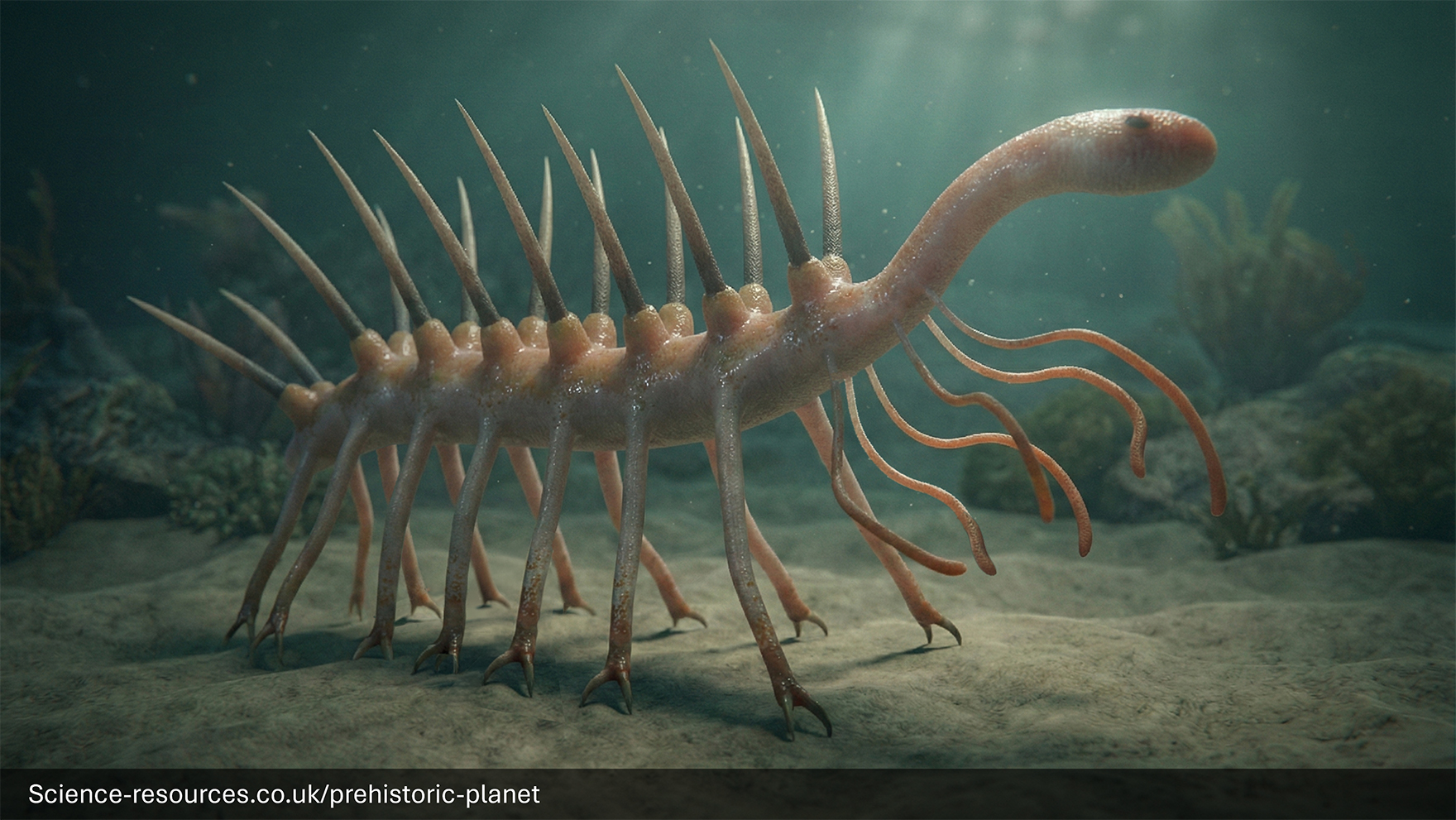
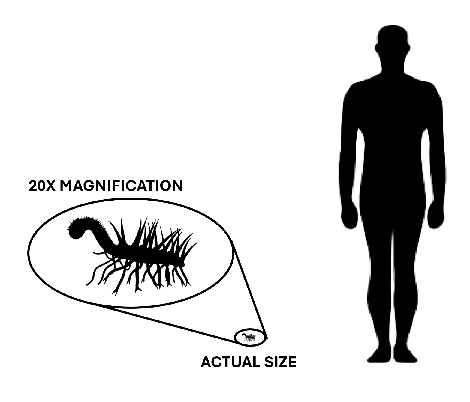
Hallucigenia was tiny compared to other prehistoric animals, growing to about 1 centimetre long, roughly the size of a paperclip! Despite its small size, it stood out because of its weird shape and spiky body.
What did Hallucigenia eat?
Hallucigenia was likely a scavenger or detritivore, feeding on tiny bits of organic material and possibly algae found on the seafloor. It used its soft tentacle-like limbs to move and gather food.
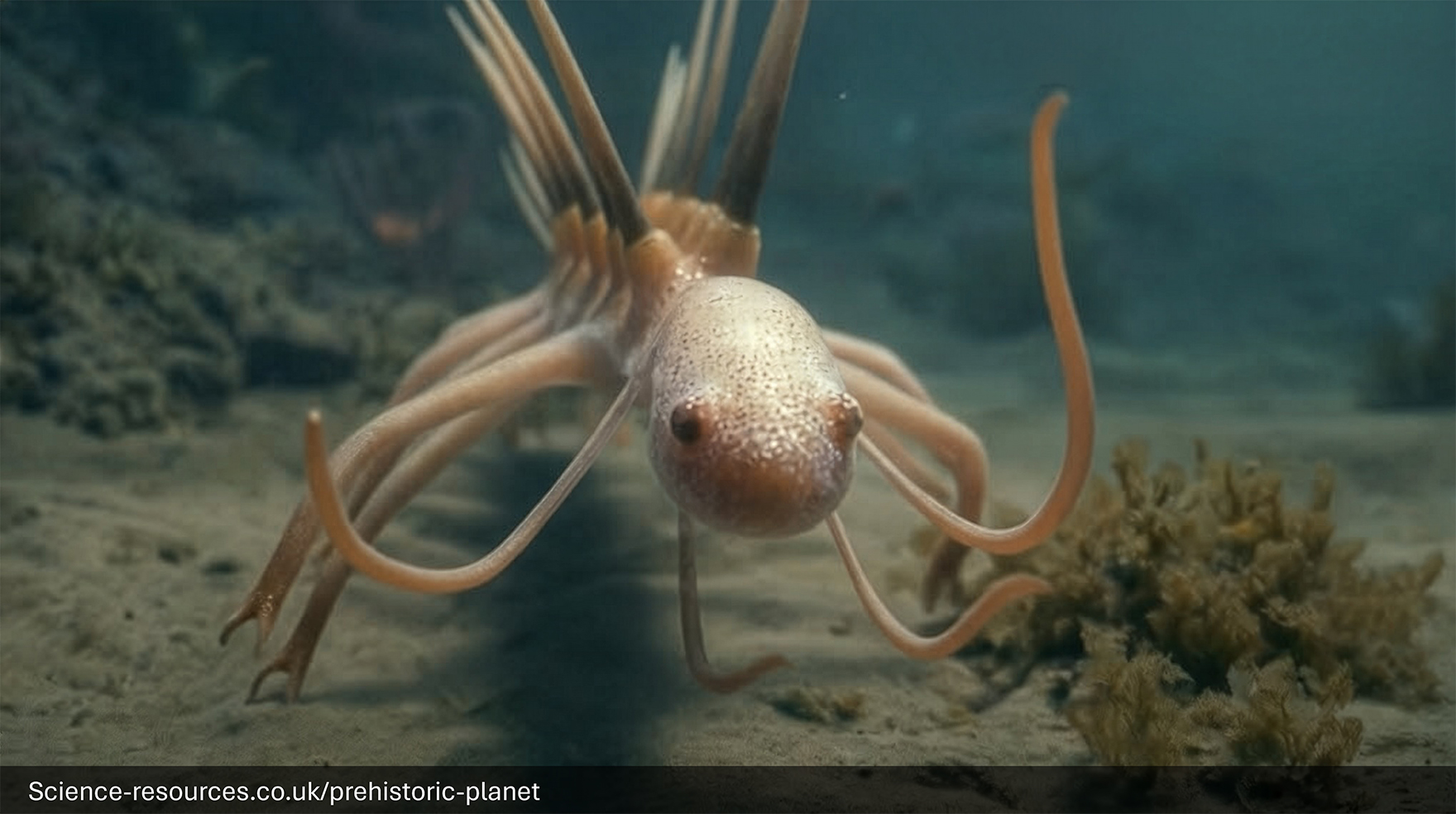 Hallucigenia used its soft tentacle-like limbs to move and gather food.
Hallucigenia appearance
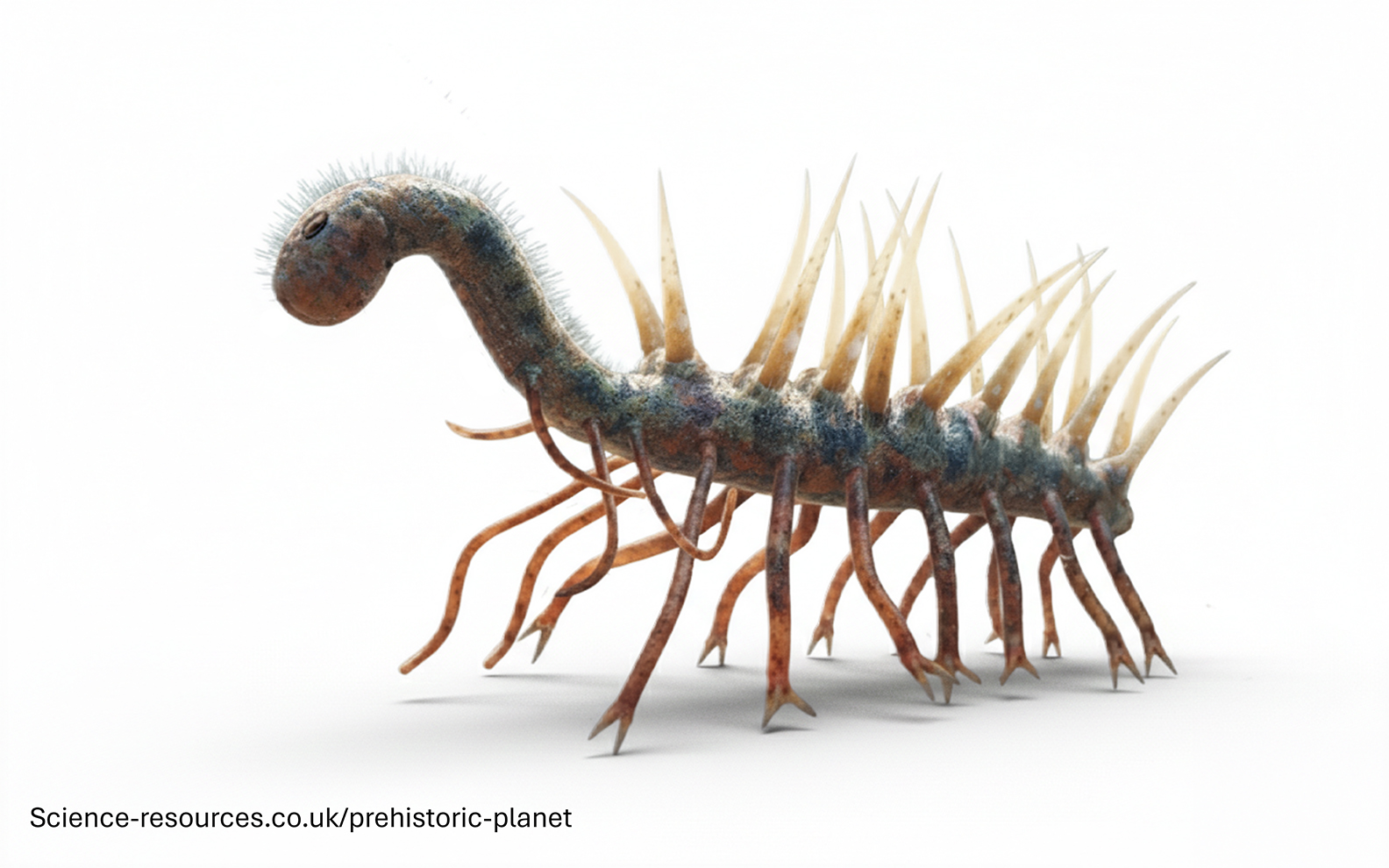
Hallucigenia looked like something from a dream (or a nightmare)! It had a long, thin body with seven pairs of legs on one side and sharp spikes sticking up from its back. One end had a simple head with a mouth, and scientists once weren’t sure which way round it went. The spikes probably helped protect it from hungry predators.
Where did Hallucigenia live?
Hallucigenia fossils have been discovered in places like Canada and China, in rocks that were once part of ancient seas. It lived in shallow waters, crawling along the ocean floor.
Interesting facts
- The name Hallucigenia comes from “hallucination” because of its bizarre appearance.
- For years, scientists couldn’t tell which end was its head and which was its tail!
- Hallucigenia lived about 508 million years ago, long before dinosaurs existed. It’s completely extinct, with only fossils remaining.
Hallucigenia Facts
Pronounced: Ha-loo-si-JEEN-ee-uh
Name Means: "Like a hallucination"
Length: About 1 centimetre
Diet: Scavenger/detritivore
Time: Cambrian Period (about 508 million years ago)
Which family of animals did Hallucigenia belong to?
Hallucigenia belonged to the family Hallucigeniidae, a group of ancient lobopodians. These creatures are distant relatives to modern velvet worms and arthropods.
What other animals lived at the same time as Hallucigenia?
Hallucigenia shared its seas with other Cambrian creatures such as Anomalocaris, Opabinia, trilobites, and early sponges.
Hallucigenia FAQ
Q1: What is Hallucigenia?
A1: Hallucigenia is an extinct worm-like animal with spikes and legs that lived over 500 million years ago.
Q2: What did Hallucigenia look like?
A2: It had a skinny body, long legs underneath, and sharp spikes on its back—like a caterpillar crossed with a porcupine.
Q3: How big was Hallucigenia?
A3: It was about 1 centimetre long.
Q4: What did Hallucigenia eat?
A4: It probably ate tiny bits of organic matter found on the sea floor.
Q5: Where did Hallucigenia live?
A5: It lived in shallow seas in areas now known as Canada and China.
Q6: When did Hallucigenia go extinct?
A6: Hallucigenia went extinct over 500 million years ago, at the end of the Cambrian Period.
Q7: How did Hallucigenia protect itself?
A7: Its sharp spikes probably kept predators away.
Q8: How is Hallucigenia related to modern animals?
A8: It’s a distant relative of velvet worms and arthropods (like insects and spiders).
Q9: Who discovered Hallucigenia?
A9: Fossils were first described by scientists in the 1970s.
Q10: Are there any complete skeletons of Hallucigenia?
A10: Only fossil impressions of its body have been found; soft parts are rarely preserved.
You may also be intrested in:
- Extinct Animals: A-Z
- Dinosaurs: A-Z
Tags: How big was Hallucigenia, Hallucigenia, where did Hallucigenia live, how long was Hallucigenia, what does Hallucigenia mean, Hallucigenia facts
Previous: Estemmenosuchus
Up next: Haplophrentis
© 2012 science-resources.co.uk. All rights reserved | Design by W3layouts
Before Dinosaurs: Hallucigenia
Hallucigenia, a small, worm-like animal that lived long before dinosaurs, known for its spiny back and soft, tentacle-like legs.
Hallucigenia (Like a hallucination)
Hallucigenia
What is Hallucigenia?
Hallucigenia was a truly strange and ancient creature that lived hundreds of millions of years ago. It belonged to a group called lobopodians, which are distant relatives of modern worms and arthropods. Hallucigenia’s unusual appearance made it one of the most puzzling animals scientists have ever studied.
How big was Hallucigenia?
Hallucigenia was tiny compared to other prehistoric animals, growing to about 1 centimetre long, roughly the size of a paperclip! Despite its small size, it stood out because of its weird shape and spiky body.
What did Hallucigenia eat?
Hallucigenia was likely a scavenger or detritivore, feeding on tiny bits of organic material and possibly algae found on the seafloor. It used its soft tentacle-like limbs to move and gather food.
Hallucigenia used its soft tentacle-like limbs to move and gather food.
Hallucigenia appearance
Hallucigenia looked like something from a dream (or a nightmare)! It had a long, thin body with seven pairs of legs on one side and sharp spikes sticking up from its back. One end had a simple head with a mouth, and scientists once weren’t sure which way round it went. The spikes probably helped protect it from hungry predators.
Where did Hallucigenia live?
Hallucigenia fossils have been discovered in places like Canada and China, in rocks that were once part of ancient seas. It lived in shallow waters, crawling along the ocean floor.
Interesting facts
- The name Hallucigenia comes from “hallucination” because of its bizarre appearance.
- For years, scientists couldn’t tell which end was its head and which was its tail!
- Hallucigenia lived about 508 million years ago, long before dinosaurs existed. It’s completely extinct, with only fossils remaining.
Hallucigenia Facts
Pronounced: Ha-loo-si-JEEN-ee-uh
Name Means: "Like a hallucination"
Length: About 1 centimetre
Diet: Scavenger/detritivore
Time: Cambrian Period (about 508 million years ago)
Which family of animals did Hallucigenia belong to?
Hallucigenia belonged to the family Hallucigeniidae, a group of ancient lobopodians. These creatures are distant relatives to modern velvet worms and arthropods.
What other animals lived at the same time as Hallucigenia?
Hallucigenia shared its seas with other Cambrian creatures such as Anomalocaris, Opabinia, trilobites, and early sponges.
Hallucigenia FAQ
Q1: What is Hallucigenia?
A1: Hallucigenia is an extinct worm-like animal with spikes and legs that lived over 500 million years ago.
Q2: What did Hallucigenia look like?
A2: It had a skinny body, long legs underneath, and sharp spikes on its back—like a caterpillar crossed with a porcupine.
Q3: How big was Hallucigenia?
A3: It was about 1 centimetre long.
Q4: What did Hallucigenia eat?
A4: It probably ate tiny bits of organic matter found on the sea floor.
Q5: Where did Hallucigenia live?
A5: It lived in shallow seas in areas now known as Canada and China.
Q6: When did Hallucigenia go extinct?
A6: Hallucigenia went extinct over 500 million years ago, at the end of the Cambrian Period.
Q7: How did Hallucigenia protect itself?
A7: Its sharp spikes probably kept predators away.
Q8: How is Hallucigenia related to modern animals?
A8: It’s a distant relative of velvet worms and arthropods (like insects and spiders).
Q9: Who discovered Hallucigenia?
A9: Fossils were first described by scientists in the 1970s.
Q10: Are there any complete skeletons of Hallucigenia?
A10: Only fossil impressions of its body have been found; soft parts are rarely preserved.
Tags: How big was Hallucigenia, Hallucigenia, where did Hallucigenia live, how long was Hallucigenia, what does Hallucigenia mean, Hallucigenia facts
Previous: Estemmenosuchus
Up next: Haplophrentis
© 2012 science-resources.co.uk. All rights reserved | Design by W3layouts