Generative AI Notification: Some elements of this image have been created or enhanced using AI technology. To find out how we create all our prehistoric animals, click here.
Last updated: 24th January 2026
Before Dinosaurs: Meganeura
Jaekelopterus, a giant Carboniferous dragonfly‑relative with a wingspan approaching 70 centimetres.
Meganeura (Giant Prehistoric Dragonfly)
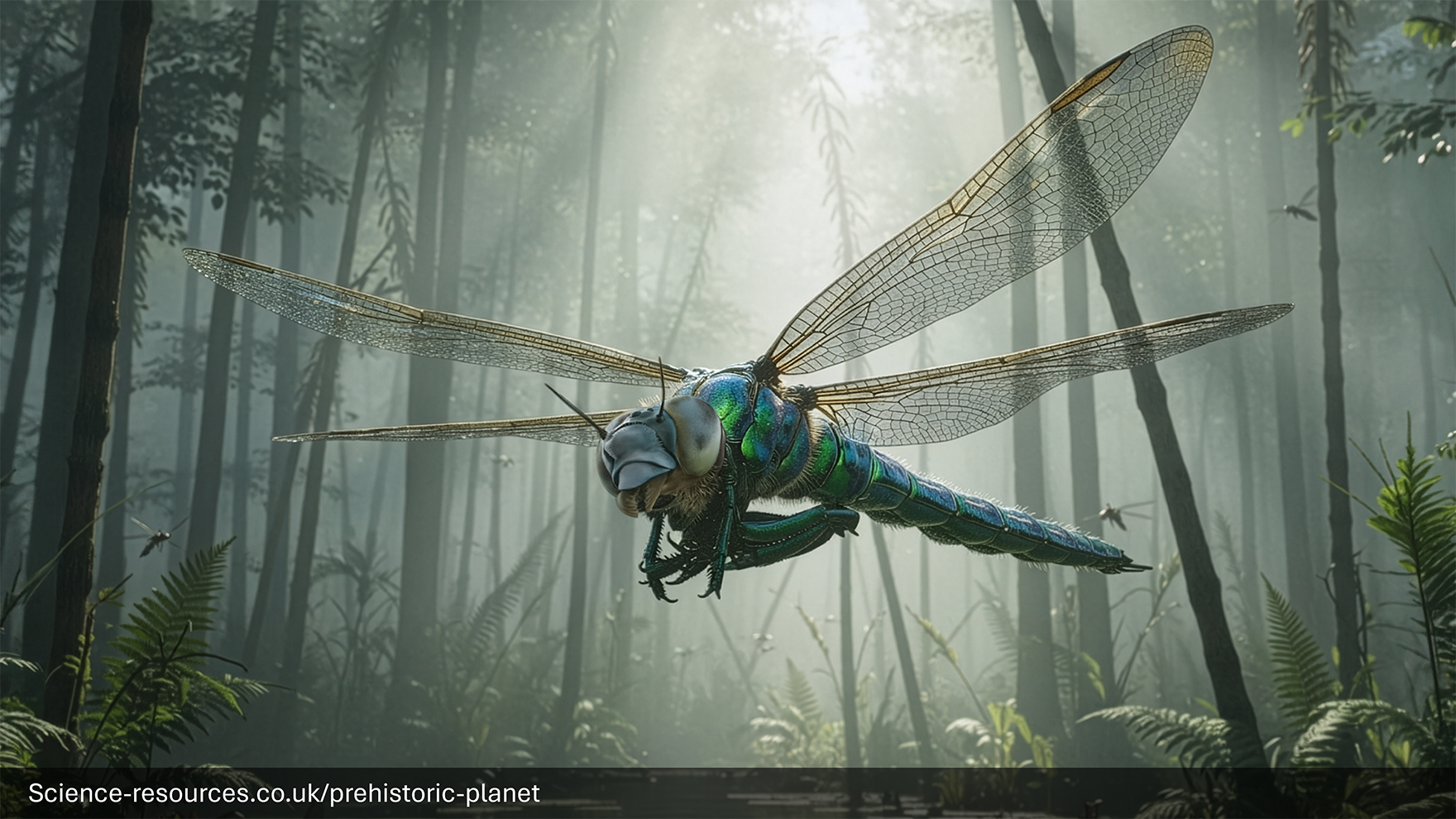 Meganeura
What is Meganeura?
Meganeura was an enormous, ancient insect that soared through the skies millions of years ago. It belonged to a group called griffinflies, which are distantly related to modern dragonflies. Meganeura was one of the largest flying insects ever to exist, a real giant of the prehistoric world.
How big was Meganeura?
Meganeura had a wingspan of up to 70 centimetres (over 2 feet)! Its body was long and slender, with huge wings that looked a lot like those of today’s dragonflies. Imagine a dragonfly the size of a pigeon buzzing overhead!
What did Meganeura eat?
Meganeura was a fierce predator. It hunted other insects, grabbing its prey with sharp jaws and strong legs. Its excellent flying skills made it a top hunter in ancient forests and swamps. .
Meganeura appearance
Meganeura had a long, thin body and a tough exoskeleton. Its most famous features were its huge, veined wings and large eyes that helped it spot prey from a distance. With its strong jaws and spiny legs, it was well-equipped for catching and eating other creatures.
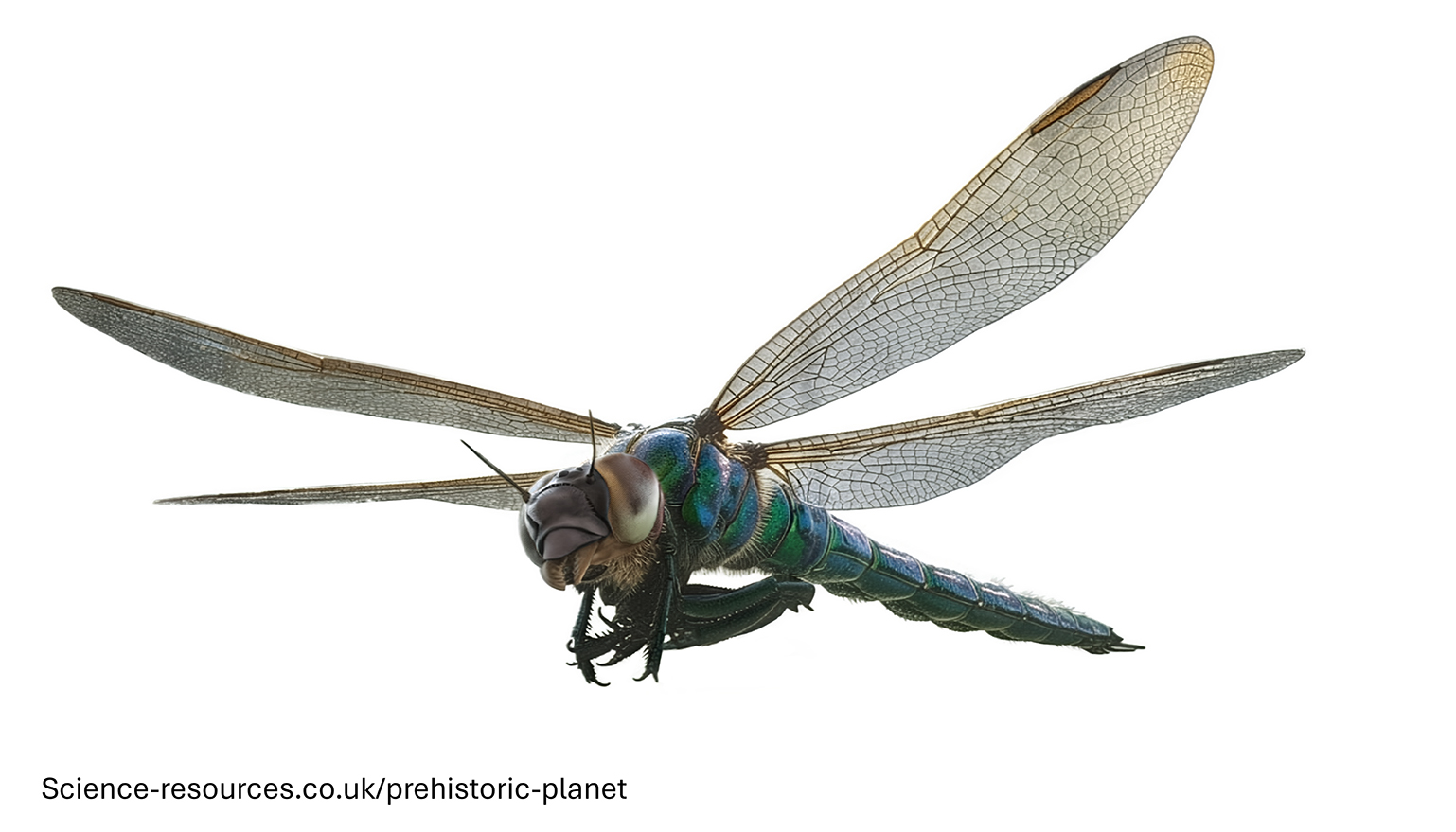 Meganeura appearance
Where did Meganeura live?
Fossils of Meganeura have been found in Europe, especially in France and England. It lived in swampy forests and near lakes and ponds during the Carboniferous Period, when the world was covered in thick forests and giant plants.
Interesting facts
- Its name means "large-nerved," referring to the veins in its wings.
- Meganeura’s wingspan was bigger than a football!
- It lived about 300 million years ago—long before the dinosaurs appeared.
- Meganeura is completely extinct, with only fossils left behind to tell its story.
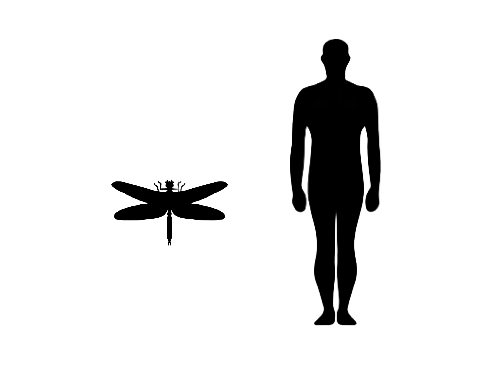
Meganeura Facts
Pronounced: Meg-ah-NEW-rah
Name Means: "Large-nerved" (referring to wing veins)
Length: Up to 70 centimetres (2 feet 3 inches)
Diet: Carnivore (meat-eater)
Time: Carboniferous Period (about 359–299 million years ago)
Fossils Found: Mainly Europe (France, England)
Which family of animals did Meganeura belong to?
Meganeura belonged to the family Meganeuridae, a group of large, ancient griffinflies. These insects are distant relatives of modern dragonflies and damselflies.
What other animals lived at the same time as Meganeura?
Meganeura shared its world with giant millipedes, early amphibians, massive cockroaches, and other ancient insects and creatures during the Carboniferous Period.
Meganeura FAQ
Q1: What is Meganeura?
A1: Meganeura is an extinct giant griffinfly (dragonfly relative) that lived about 300 million years ago. It was one of the largest insects ever found.
Q2: What did Meganeura look like?
A2: Meganeura had a long, slender body, four huge wings, and large eyes. It was very similar to a modern dragonfly but much bigger.
Q3: How big was Meganeura?
A3: It could reach a wingspan of up to 70 centimetres (over 2 feet).
Q4: What did Meganeura eat?
A4: Meganeura was a predator, eating other insects and possibly small amphibians.
Q5: Where did Meganeura live?
A5: It lived in swampy forests and wetlands of ancient Europe.
Q6: When did Meganeura go extinct?
A6: Meganeura disappeared around 299 million years ago, at the end of the Carboniferous Period.
Q7: Was Meganeura dangerous?
A7: Meganeura was a top insect predator in its time, but it lived long before humans ever existed.
Q8: How is Meganeura related to modern animals?
A8: Meganeura is distantly related to today’s dragonflies and damselflies.
Q9: Who discovered Meganeura?
A9: Meganeura fossils were first described by scientists in the late 19th century.
Q10: Are there any complete skeletons of Meganeura?
A10: Fossils mostly include wing impressions and body segments; as with most ancient insects, soft tissues rarely fossilised.
You may also be intrested in:
- Extinct Animals: A-Z
- Dinosaurs: A-Z
Tags: How big was Meganeura, Meganeura, where did Meganeura live, how long was Meganeura, what does Meganeura mean, Meganeura facts
Previous: Jaekelopterus
Up next: Mesosaurus
© 2012 science-resources.co.uk. All rights reserved | Design by W3layouts
Before Dinosaurs: Meganeura
Jaekelopterus, a giant Carboniferous dragonfly‑relative with a wingspan approaching 70 centimetres.
Meganeura (Giant Prehistoric Dragonfly)
Meganeura
What is Meganeura?
Meganeura was an enormous, ancient insect that soared through the skies millions of years ago. It belonged to a group called griffinflies, which are distantly related to modern dragonflies. Meganeura was one of the largest flying insects ever to exist, a real giant of the prehistoric world.
How big was Meganeura?
Meganeura had a wingspan of up to 70 centimetres (over 2 feet)! Its body was long and slender, with huge wings that looked a lot like those of today’s dragonflies. Imagine a dragonfly the size of a pigeon buzzing overhead!
What did Meganeura eat?
Meganeura was a fierce predator. It hunted other insects, grabbing its prey with sharp jaws and strong legs. Its excellent flying skills made it a top hunter in ancient forests and swamps. .
Meganeura appearance
Meganeura had a long, thin body and a tough exoskeleton. Its most famous features were its huge, veined wings and large eyes that helped it spot prey from a distance. With its strong jaws and spiny legs, it was well-equipped for catching and eating other creatures.
Meganeura appearance
Where did Meganeura live?
Fossils of Meganeura have been found in Europe, especially in France and England. It lived in swampy forests and near lakes and ponds during the Carboniferous Period, when the world was covered in thick forests and giant plants.
Interesting facts
- Its name means "large-nerved," referring to the veins in its wings.
- Meganeura’s wingspan was bigger than a football!
- It lived about 300 million years ago—long before the dinosaurs appeared.
- Meganeura is completely extinct, with only fossils left behind to tell its story.
Meganeura Facts
Pronounced: Meg-ah-NEW-rah
Name Means: "Large-nerved" (referring to wing veins)
Length: Up to 70 centimetres (2 feet 3 inches)
Diet: Carnivore (meat-eater)
Time: Carboniferous Period (about 359–299 million years ago)
Fossils Found: Mainly Europe (France, England)
Which family of animals did Meganeura belong to?
Meganeura belonged to the family Meganeuridae, a group of large, ancient griffinflies. These insects are distant relatives of modern dragonflies and damselflies.
What other animals lived at the same time as Meganeura?
Meganeura shared its world with giant millipedes, early amphibians, massive cockroaches, and other ancient insects and creatures during the Carboniferous Period.
Meganeura FAQ
Q1: What is Meganeura?
A1: Meganeura is an extinct giant griffinfly (dragonfly relative) that lived about 300 million years ago. It was one of the largest insects ever found.
Q2: What did Meganeura look like?
A2: Meganeura had a long, slender body, four huge wings, and large eyes. It was very similar to a modern dragonfly but much bigger.
Q3: How big was Meganeura?
A3: It could reach a wingspan of up to 70 centimetres (over 2 feet).
Q4: What did Meganeura eat?
A4: Meganeura was a predator, eating other insects and possibly small amphibians.
Q5: Where did Meganeura live?
A5: It lived in swampy forests and wetlands of ancient Europe.
Q6: When did Meganeura go extinct?
A6: Meganeura disappeared around 299 million years ago, at the end of the Carboniferous Period.
Q7: Was Meganeura dangerous?
A7: Meganeura was a top insect predator in its time, but it lived long before humans ever existed.
Q8: How is Meganeura related to modern animals?
A8: Meganeura is distantly related to today’s dragonflies and damselflies.
Q9: Who discovered Meganeura?
A9: Meganeura fossils were first described by scientists in the late 19th century.
Q10: Are there any complete skeletons of Meganeura?
A10: Fossils mostly include wing impressions and body segments; as with most ancient insects, soft tissues rarely fossilised.
Tags: How big was Meganeura, Meganeura, where did Meganeura live, how long was Meganeura, what does Meganeura mean, Meganeura facts
Previous: Jaekelopterus
Up next: Mesosaurus
© 2012 science-resources.co.uk. All rights reserved | Design by W3layouts