Generative AI Notification: Some elements of this image have been created or enhanced using AI technology. To find out how we create all our prehistoric animals, click here.
Last updated: 24th January 2026
Before Dinosaurs: Opabinia
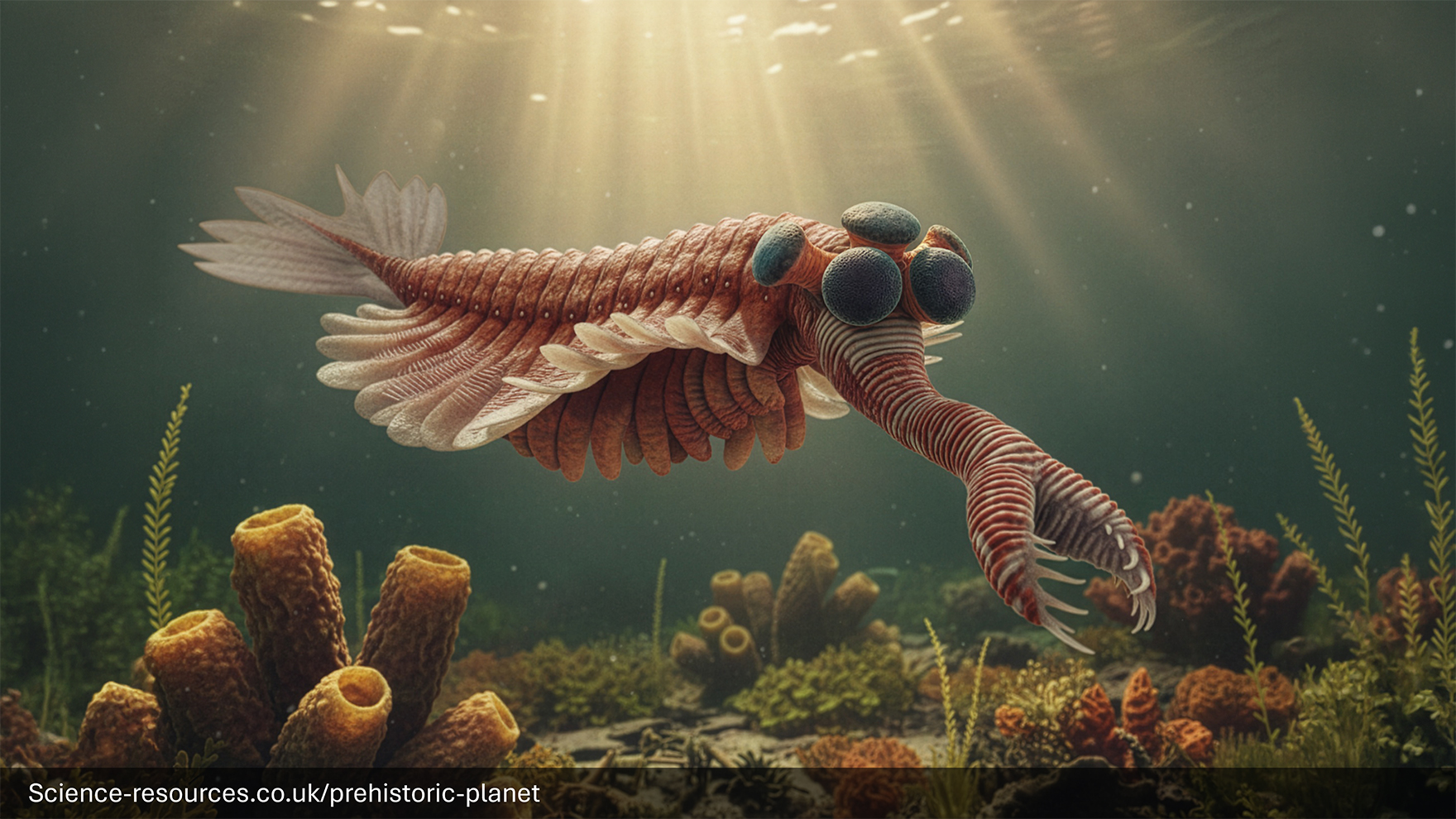
Opabinia, a strange, soft-bodied animal that lived long before dinosaurs, known for its five eyes and long, flexible snout with a claw-like tip.
Opabinia (The Weird Prehistoric Sea Creature)
 Opabinia
What is Opabinia?
Opabinia was a truly bizarre and ancient creature that lived hundreds of millions of years ago. It belonged to a group of extinct animals that swam in Earth’s early seas, long before dinosaurs or even fish as we know them today. With its unusual body and strange features, Opabinia stands out as one of the oddest animals ever discovered.
How big was Opabinia?
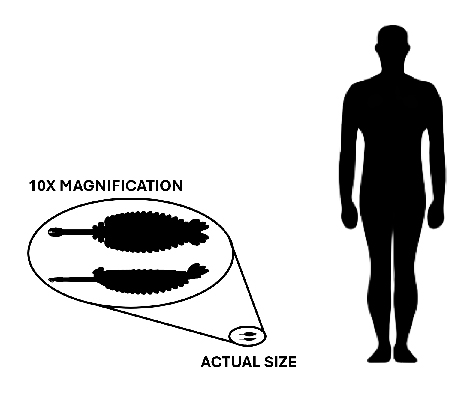
Opabinia was not very large compared to some prehistoric giants. It grew up to about 7 centimetres (less than 3 inches) long. Despite its small size, it had a striking appearance that set it apart from anything alive today.
What did Opabinia eat?
Opabinia was a carnivore, meaning it ate other animals. Scientists believe it used its long, flexible snout to grab small prey, such as worms or other soft-bodied creatures, from the muddy sea floor. It would then bring the food to its mouth, which was located underneath its head.
Opabinia appearance
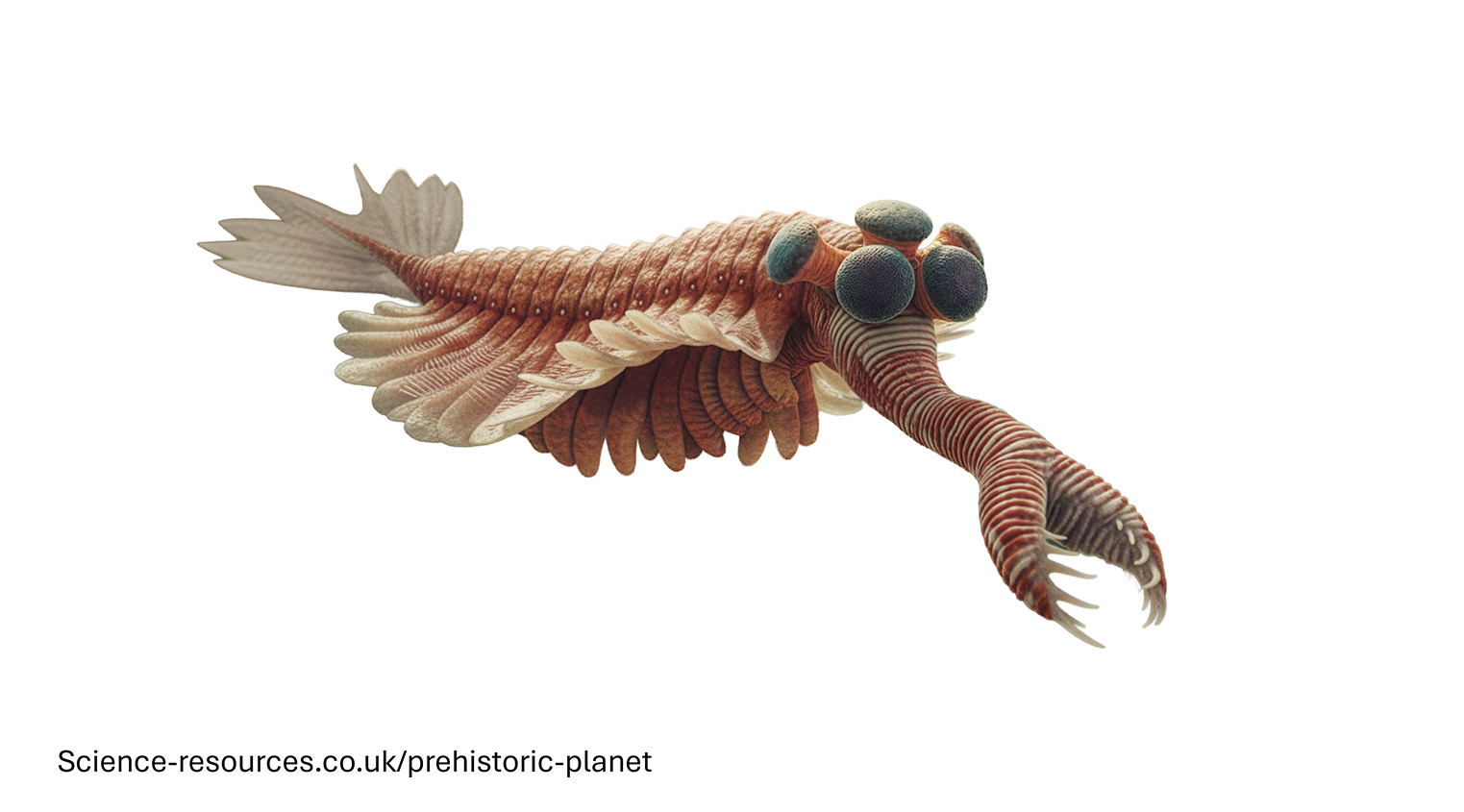
Opabinia looked like something from a science fiction film! Its body was soft and segmented, and it had five eyes on top of its head, which helped it spot danger and find food. Its most famous feature was its long, tube-like snout ending in a claw, perfect for reaching into burrows or grabbing prey. On its back, it had flaps that helped it swim through the ancient Cambrian seas.
 Opabinia appearance
Where did Opabinia live?
Fossils of Opabinia have been discovered in Canada, especially in the famous Burgess Shale. It lived in marine environments, swimming in shallow seas during the Cambrian Period, a time when life was rapidly evolving and many strange creatures appeared.
Interesting facts
- Its Its name comes from Opabin Pass in Canada, where its fossils were first found.
- Opabinia had five eyes—the most of any known prehistoric animal!
- It lived about 505 million years ago—long before the dinosaurs appeared.
- Opabinia is completely extinct, with only fossils left behind to tell its story.
Opabinia Facts
Pronounced: Oh-pah-BIN-ee-ah
Name Means: Named after Opabin Pass in Canada
Length: Up to 7 centimetres (3 inches)
Diet: Carnivore (meat-eater)
Time: Cambrian Period (about 541–485 million years ago)
Fossils Found: Mainly Canada (Burgess Shale)
Which family of animals did Opabinia belong to?
pabinia belonged to its own unique group of animals, called Opabiniids. It doesn’t have any direct relatives alive today, but it is distantly related to arthropods, the group that includes insects, spiders, and crabs.
What other animals lived at the same time as Opabinia?
Opabinia shared its world with other unusual Cambrian animals, like Anomalocaris (a top predator), Hallucigenia (a spiky worm), trilobites, and various strange worms and jellyfish-like creatures.
Opabinia FAQ
Q1: What is Opabinia?
A1: Opabinia is an extinct sea creature that lived about 505 million years ago. It is famous for its five eyes and strange snout.
Q2: What did Opabinia look like?
A2: Opabinia had a soft, segmented body, five eyes, and a long, flexible snout ending in a claw.
Q3: How big was Opabinia?
A3: It grew up to about 7 centimetres (3 inches) long.
Q4: What did Opabinia eat?
A4: Opabinia was a carnivore, eating small animals it found on the sea floor.
Q5: Where did Opabinia live?
A5: It lived in shallow seas, and its fossils are found in the Burgess Shale in Canada.
Q6: When did Opabinia go extinct?
A6: Opabinia disappeared around 485 million years ago, at the end of the Cambrian Period.
Q7: Was Opabinia dangerous?
A7: Opabinia was not a top predator, but it did hunt small sea creatures.
Q8: How is Opabinia related to modern animals?
A8: Opabinia is distantly related to arthropods, but it has no close living relatives.
Q9. Who discovered Opabinia?
A9: Opabinia was first described by palaeontologist Harry B. Whittington in the 1970s, based on fossils from Canada.
Q10: Are there any complete skeletons of Opabinia?
A10: Yes, several well-preserved fossils show the whole body of Opabinia, including its eyes and snout.
You may also be intrested in:
- Extinct Animals: A-Z
- Dinosaurs: A-Z
Tags: How big was Opabinia, Opabinia, where did Opabinia live, how long was Opabinia, what does Opabinia mean, Opabinia facts
Previous: Mesosaurus
Up next: Pulmonoscorpius
© 2012 science-resources.co.uk. All rights reserved | Design by W3layouts
Before Dinosaurs: Opabinia
Opabinia, a strange, soft-bodied animal that lived long before dinosaurs, known for its five eyes and long, flexible snout with a claw-like tip.
Opabinia (The Weird Prehistoric Sea Creature)
Opabinia
What is Opabinia?
Opabinia was a truly bizarre and ancient creature that lived hundreds of millions of years ago. It belonged to a group of extinct animals that swam in Earth’s early seas, long before dinosaurs or even fish as we know them today. With its unusual body and strange features, Opabinia stands out as one of the oddest animals ever discovered.
How big was Opabinia?
Opabinia was not very large compared to some prehistoric giants. It grew up to about 7 centimetres (less than 3 inches) long. Despite its small size, it had a striking appearance that set it apart from anything alive today.
What did Opabinia eat?
Opabinia was a carnivore, meaning it ate other animals. Scientists believe it used its long, flexible snout to grab small prey, such as worms or other soft-bodied creatures, from the muddy sea floor. It would then bring the food to its mouth, which was located underneath its head.
Opabinia appearance
Opabinia looked like something from a science fiction film! Its body was soft and segmented, and it had five eyes on top of its head, which helped it spot danger and find food. Its most famous feature was its long, tube-like snout ending in a claw, perfect for reaching into burrows or grabbing prey. On its back, it had flaps that helped it swim through the ancient Cambrian seas.
Opabinia appearance
Where did Opabinia live?
Fossils of Opabinia have been discovered in Canada, especially in the famous Burgess Shale. It lived in marine environments, swimming in shallow seas during the Cambrian Period, a time when life was rapidly evolving and many strange creatures appeared.
Interesting facts
- Its Its name comes from Opabin Pass in Canada, where its fossils were first found.
- Opabinia had five eyes—the most of any known prehistoric animal!
- It lived about 505 million years ago—long before the dinosaurs appeared.
- Opabinia is completely extinct, with only fossils left behind to tell its story.
Opabinia Facts
Pronounced: Oh-pah-BIN-ee-ah
Name Means: Named after Opabin Pass in Canada
Length: Up to 7 centimetres (3 inches)
Diet: Carnivore (meat-eater)
Time: Cambrian Period (about 541–485 million years ago)
Fossils Found: Mainly Canada (Burgess Shale)
Which family of animals did Opabinia belong to?
pabinia belonged to its own unique group of animals, called Opabiniids. It doesn’t have any direct relatives alive today, but it is distantly related to arthropods, the group that includes insects, spiders, and crabs.
What other animals lived at the same time as Opabinia?
Opabinia shared its world with other unusual Cambrian animals, like Anomalocaris (a top predator), Hallucigenia (a spiky worm), trilobites, and various strange worms and jellyfish-like creatures.
Opabinia FAQ
Q1: What is Opabinia?
A1: Opabinia is an extinct sea creature that lived about 505 million years ago. It is famous for its five eyes and strange snout.
Q2: What did Opabinia look like?
A2: Opabinia had a soft, segmented body, five eyes, and a long, flexible snout ending in a claw.
Q3: How big was Opabinia?
A3: It grew up to about 7 centimetres (3 inches) long.
Q4: What did Opabinia eat?
A4: Opabinia was a carnivore, eating small animals it found on the sea floor.
Q5: Where did Opabinia live?
A5: It lived in shallow seas, and its fossils are found in the Burgess Shale in Canada.
Q6: When did Opabinia go extinct?
A6: Opabinia disappeared around 485 million years ago, at the end of the Cambrian Period.
Q7: Was Opabinia dangerous?
A7: Opabinia was not a top predator, but it did hunt small sea creatures.
Q8: How is Opabinia related to modern animals?
A8: Opabinia is distantly related to arthropods, but it has no close living relatives.
Q9. Who discovered Opabinia?
A9: Opabinia was first described by palaeontologist Harry B. Whittington in the 1970s, based on fossils from Canada.
Q10: Are there any complete skeletons of Opabinia?
A10: Yes, several well-preserved fossils show the whole body of Opabinia, including its eyes and snout.
Tags: How big was Opabinia, Opabinia, where did Opabinia live, how long was Opabinia, what does Opabinia mean, Opabinia facts
Previous: Mesosaurus
Up next: Pulmonoscorpius
© 2012 science-resources.co.uk. All rights reserved | Design by W3layouts