Generative AI Notification: Some elements of this image have been created or enhanced using AI technology. To find out how we create all our prehistoric animals, click here.
Last updated: 24th January 2026
Before Dinosaurs: Stethacanthus
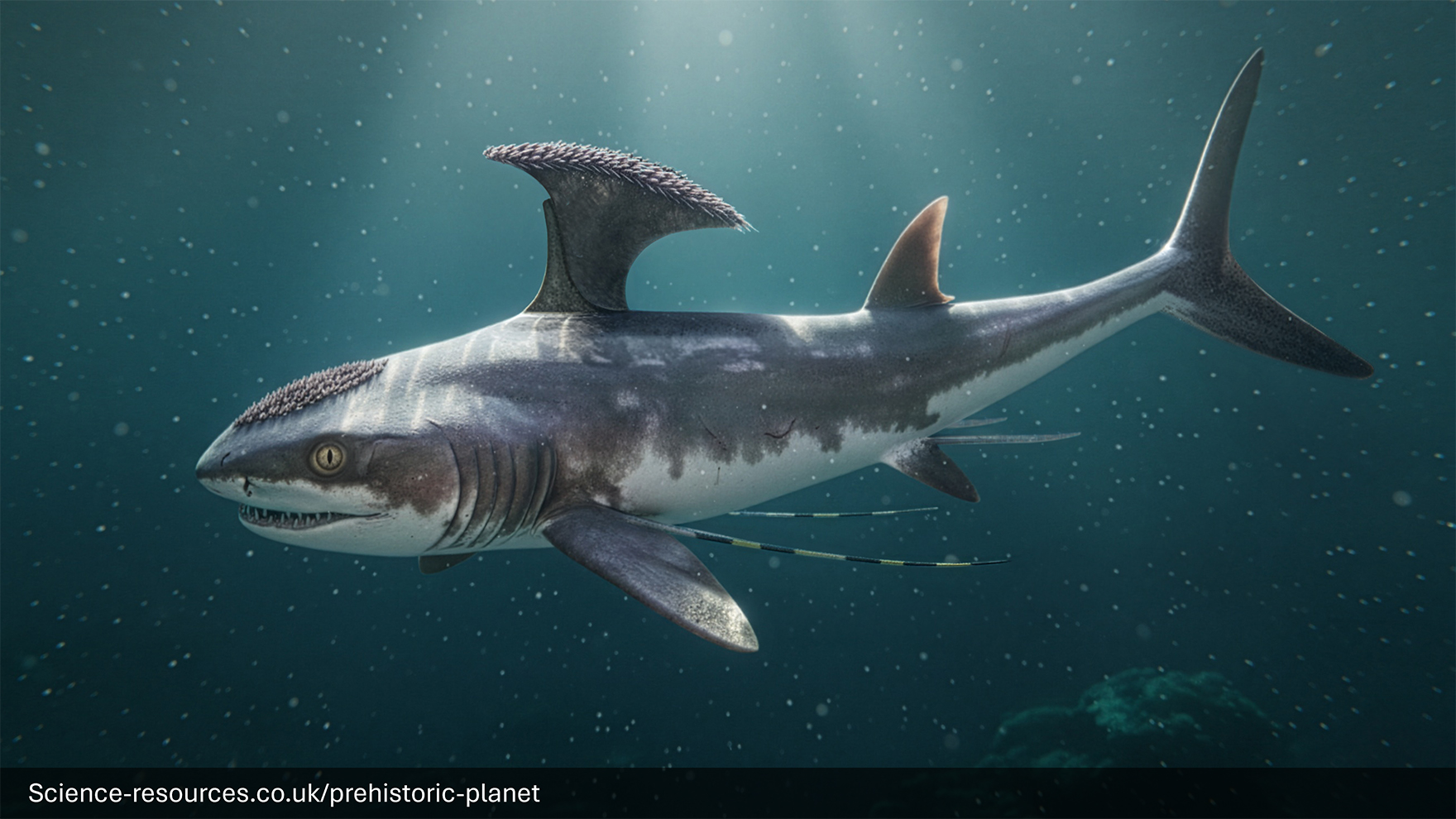
Stethacanthus, an early shark that lived long before dinosaurs, known for its distinctive anvil-shaped dorsal fin covered in tooth-like denticles.
Stethacanthus (The Anvil Shark)
 Stethacanthus
What is Stethacanthus?
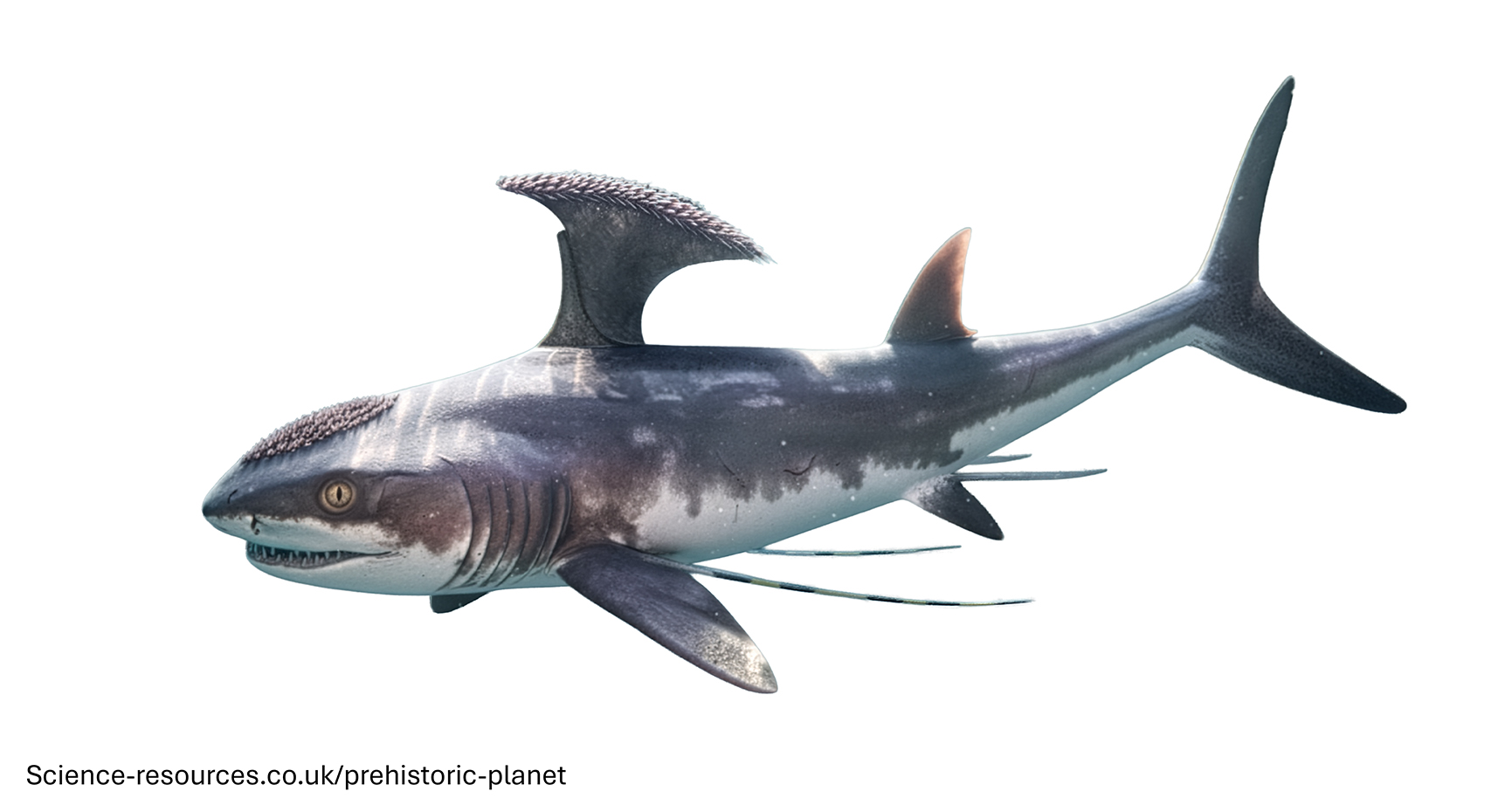
Stethacanthus was a remarkable and unusual prehistoric shark-like fish that swam in the ancient oceans about 360 to 345 million years ago. It is most famous for the strange, flat, anvil-shaped structure on its back, which made it look very different from any shark alive today.
How big was Stethacanthus?
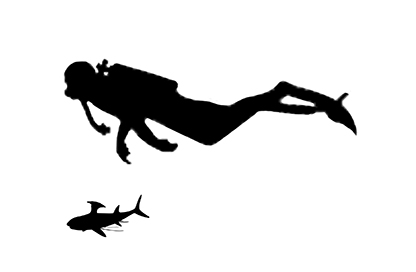
Stethacanthus could grow up to 2–3 metres (6.5–10 feet) long. It was much smaller than many modern sharks and weighed much less, making it a medium-sized predator for its time.
What did Stethacanthus eat?
Stethacanthus was a carnivore, feeding mainly on small fish, crustaceans, and other soft-bodied sea creatures. Its teeth were sharp and pointed, perfect for catching slippery prey in the water.
Stethacanthus appearance
Stethacanthus looked quite unlike any modern shark. It had a streamlined body, a cartilaginous skeleton, and a very peculiar dorsal fin shaped like a flat, wide anvil or ironing board, covered in tiny tooth-like structures called denticles. Its lower jaw was filled with sharp teeth, and the rest of its fins were more typical of early sharks.
Where did Stethacanthus live?
Fossils of Stethacanthus have been discovered in North America, Europe, and Asia. It lived in warm, shallow seas during the late Devonian to early Carboniferous periods.
Interesting facts
- The strange anvil-shaped fin was only found on male Stethacanthus, and scientists believe it may have been used to attract mates or scare off rivals.
- Stethacanthus means “chest spine” in Greek, referring to its unique dorsal fin structure.
- The purpose of its odd fin is still a mystery, some think it was used in mating displays, while others believe it helped the fish anchor itself to the sea floor.
- Stethacanthus was one of the earliest sharks and had a skeleton made mostly of cartilage, so only hard parts like teeth and fin spines are usually found as fossils.
- It is not a true shark as we know today, but is closely related to the ancestors of modern sharks and rays.
Stethacanthus Facts
Pronounced: steh-tha-KAN-thus
Name Means: "Chest Spine"
Length: Up to 3 metres (10 feet)
Diet: Carnivore (meat-eater)
Time: Late Devonian – Early Carboniferous (about 360–345 million years ago)
Habitat: Open Seas
Fossils Found: Worldwide (especially North America, Europe, Asia)
Which family of animals did Stethacanthus belong to?
Stethacanthus belonged to the family Stethacanthidae, which is part of the extinct order Symmoriiformes, a group of ancient cartilaginous fish related to early sharks and their relatives.
What other animals lived at the same time as Stethacanthus?
Stethacanthus shared its world with ancient armoured fish called placoderms, giant sea scorpions, early bony fish, and some of the first land-dwelling amphibians during the Devonian and Carboniferous periods.
Stethacanthus FAQ
Q1: What is Stethacanthus?
A1: Stethacanthus was an ancient fish with a strange anvil-shaped fin on its back, which lived long before the dinosaurs.
Q2: What did Stethacanthus look like?
A2: Stethacanthus had a long, streamlined body and a very odd, flat dorsal fin shaped like an anvil or ironing board.
Q3: How big was Stethacanthus?
A3: It could reach up to 3 metres (10 feet) in length.
Q4: What did Stethacanthus eat?
A4: It ate small fish, crustaceans, and soft-bodied sea creatures.
Q5: Where did Stethacanthus live?
A5: It lived in warm, shallow seas around what is now North America, Europe, and Asia.
Q6: When did Stethacanthus go extinct?
A6: Stethacanthus went extinct about 345 million years ago, possibly due to changes in sea levels and climate.
Q7: How strong was Stethacanthus’s bite?
A7: Its teeth were sharp enough to catch and eat smaller prey, but it was not the top predator of its environment.
Q8: How is Stethacanthus related to modern animals?
A8: Stethacanthus was an early relative of sharks and rays, but is not a direct ancestor of modern species.
Q9: Who discovered Stethacanthus?
A9: The first fossils of Stethacanthus were found in the late 19th century, and it was first described by scientists in 1889.
Q10: Are there any complete skeletons of Stethacanthus?
A10: No, only teeth, fin spines, and some jaw cartilage have been found, because the rest of the skeleton was made of cartilage, which does not fossilise well.
You may also be intrested in:
- Extinct Animals: A-Z
- Dinosaurs: A-Z
Tags: How big was Stethacanthus, Stethacanthus, where did Stethacanthus live, how long was Stethacanthus, what does Stethacanthus mean, Stethacanthus facts
Previous: Hallucigenia
Up next: Tanystropheus
© 2012 science-resources.co.uk. All rights reserved | Design by W3layouts
Before Dinosaurs: Stethacanthus
Stethacanthus, an early shark that lived long before dinosaurs, known for its distinctive anvil-shaped dorsal fin covered in tooth-like denticles.
Stethacanthus (The Anvil Shark)
Stethacanthus
What is Stethacanthus?
Stethacanthus was a remarkable and unusual prehistoric shark-like fish that swam in the ancient oceans about 360 to 345 million years ago. It is most famous for the strange, flat, anvil-shaped structure on its back, which made it look very different from any shark alive today.
How big was Stethacanthus?
Stethacanthus could grow up to 2–3 metres (6.5–10 feet) long. It was much smaller than many modern sharks and weighed much less, making it a medium-sized predator for its time.
What did Stethacanthus eat?
Stethacanthus was a carnivore, feeding mainly on small fish, crustaceans, and other soft-bodied sea creatures. Its teeth were sharp and pointed, perfect for catching slippery prey in the water.
Stethacanthus appearance
Stethacanthus looked quite unlike any modern shark. It had a streamlined body, a cartilaginous skeleton, and a very peculiar dorsal fin shaped like a flat, wide anvil or ironing board, covered in tiny tooth-like structures called denticles. Its lower jaw was filled with sharp teeth, and the rest of its fins were more typical of early sharks.
Where did Stethacanthus live?
Fossils of Stethacanthus have been discovered in North America, Europe, and Asia. It lived in warm, shallow seas during the late Devonian to early Carboniferous periods.
Interesting facts
- The strange anvil-shaped fin was only found on male Stethacanthus, and scientists believe it may have been used to attract mates or scare off rivals.
- Stethacanthus means “chest spine” in Greek, referring to its unique dorsal fin structure.
- The purpose of its odd fin is still a mystery, some think it was used in mating displays, while others believe it helped the fish anchor itself to the sea floor.
- Stethacanthus was one of the earliest sharks and had a skeleton made mostly of cartilage, so only hard parts like teeth and fin spines are usually found as fossils.
- It is not a true shark as we know today, but is closely related to the ancestors of modern sharks and rays.
Stethacanthus Facts
Pronounced: steh-tha-KAN-thus
Name Means: "Chest Spine"
Length: Up to 3 metres (10 feet)
Diet: Carnivore (meat-eater)
Time: Late Devonian – Early Carboniferous (about 360–345 million years ago)
Habitat: Open Seas
Fossils Found: Worldwide (especially North America, Europe, Asia)
Which family of animals did Stethacanthus belong to?
Stethacanthus belonged to the family Stethacanthidae, which is part of the extinct order Symmoriiformes, a group of ancient cartilaginous fish related to early sharks and their relatives.
What other animals lived at the same time as Stethacanthus?
Stethacanthus shared its world with ancient armoured fish called placoderms, giant sea scorpions, early bony fish, and some of the first land-dwelling amphibians during the Devonian and Carboniferous periods.
Stethacanthus FAQ
Q1: What is Stethacanthus?
A1: Stethacanthus was an ancient fish with a strange anvil-shaped fin on its back, which lived long before the dinosaurs.
Q2: What did Stethacanthus look like?
A2: Stethacanthus had a long, streamlined body and a very odd, flat dorsal fin shaped like an anvil or ironing board.
Q3: How big was Stethacanthus?
A3: It could reach up to 3 metres (10 feet) in length.
Q4: What did Stethacanthus eat?
A4: It ate small fish, crustaceans, and soft-bodied sea creatures.
Q5: Where did Stethacanthus live?
A5: It lived in warm, shallow seas around what is now North America, Europe, and Asia.
Q6: When did Stethacanthus go extinct?
A6: Stethacanthus went extinct about 345 million years ago, possibly due to changes in sea levels and climate.
Q7: How strong was Stethacanthus’s bite?
A7: Its teeth were sharp enough to catch and eat smaller prey, but it was not the top predator of its environment.
Q8: How is Stethacanthus related to modern animals?
A8: Stethacanthus was an early relative of sharks and rays, but is not a direct ancestor of modern species.
Q9: Who discovered Stethacanthus?
A9: The first fossils of Stethacanthus were found in the late 19th century, and it was first described by scientists in 1889.
Q10: Are there any complete skeletons of Stethacanthus?
A10: No, only teeth, fin spines, and some jaw cartilage have been found, because the rest of the skeleton was made of cartilage, which does not fossilise well.
Tags: How big was Stethacanthus, Stethacanthus, where did Stethacanthus live, how long was Stethacanthus, what does Stethacanthus mean, Stethacanthus facts
Previous: Hallucigenia
Up next: Tanystropheus
© 2012 science-resources.co.uk. All rights reserved | Design by W3layouts