Generative AI Notification: Some elements of this image have been created or enhanced using AI technology. To find out how we create all our prehistoric animals, click here.
Last updated: 24th January 2026
Before Dinosaurs: Diplocaulus
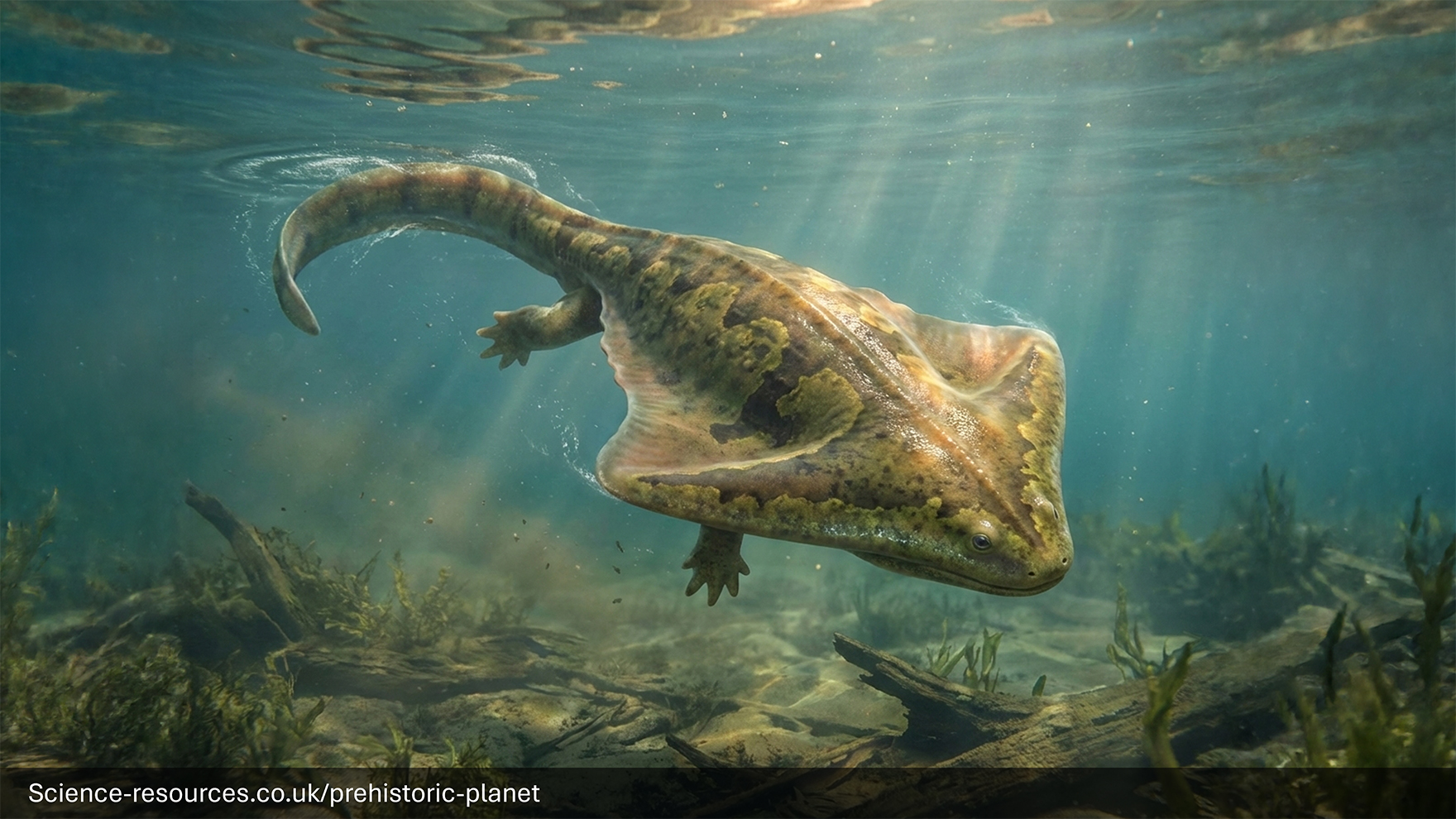
Diplocaulus, a strange and fascinating prehistoric amphibian that lived hundreds of millions of years ago - famous for its unique, boomerang-shaped head.
Diplocaulus (The Boomerang-Headed Amphibian)
 Diplocaulus
What is Diplocaulus?
Diplocaulus was a strange and fascinating prehistoric amphibian that lived hundreds of millions of years ago. It is most famous for its unique, boomerang-shaped head, which made it stand out among ancient animals. Diplocaulus is not a dinosaur, but an early tetrapod, one of the first vertebrates to live both in water and on land.
How big was Diplocaulus?
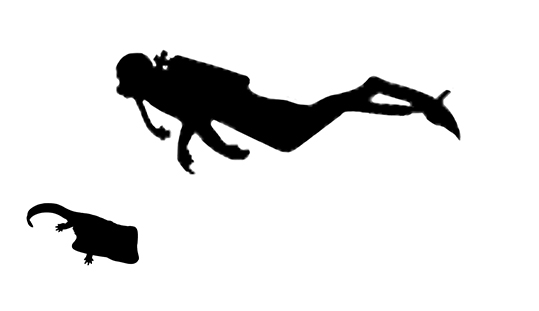
Diplocaulus could grow up to about 1 metre (3 feet) long! It had a small body and a long tail, but its wide, boomerang-shaped head was its most recognisable feature.
What did Diplocaulus eat?
Diplocaulus was a carnivore, feeding mainly on small fish, insects, and other tiny water creatures. It used its broad head to help it glide through the water and possibly to startle prey or avoid predators.
Diplocaulus appearance
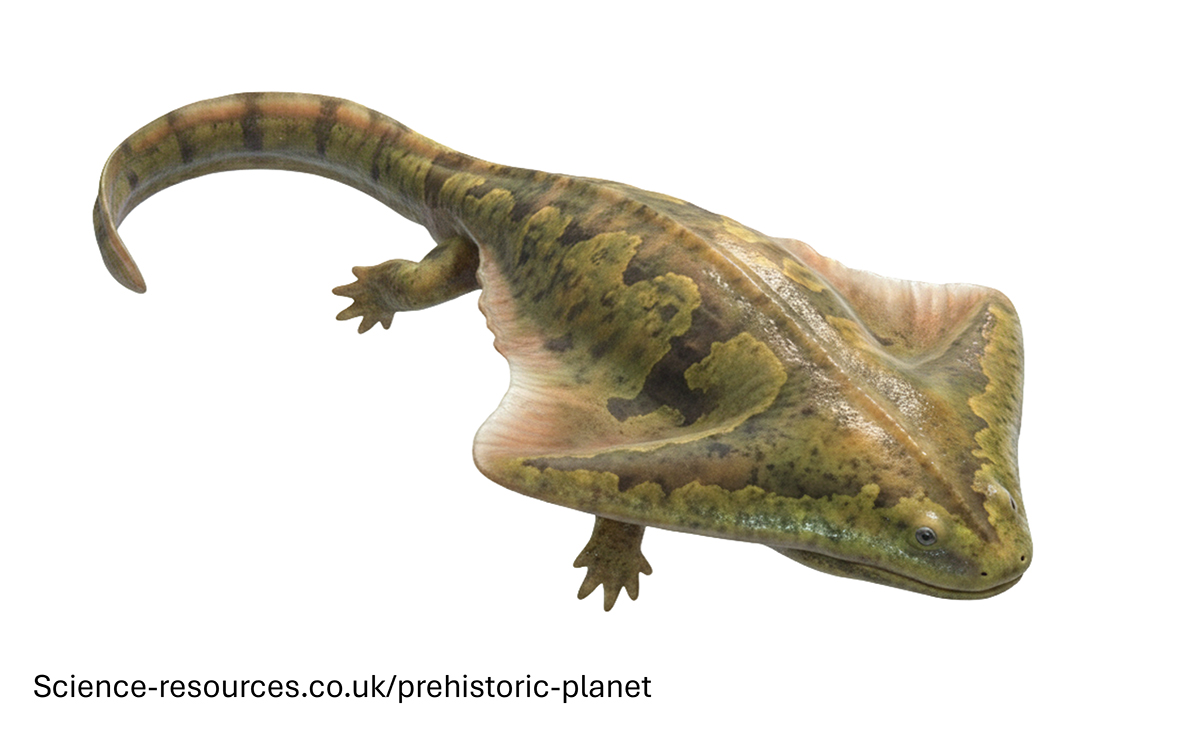
Diplocaulus had a short, lizard-like body with four legs and a long tail. Its most unusual characteristic was its head, which had two long, curved extensions stretching out to the sides, making it look just like a boomerang. These "horns" may have helped it steer in water or made it tricky for predators to swallow.
Where did Diplocaulus live?
Fossils of Diplocaulus have been found in North America, especially in places that used to be swampy rivers and lakes. It preferred warm, freshwater environments full of plants and other small animals.
Interesting facts
- Its name means "double stalk" in Greek, because of the two horn-like extensions on its head.
- Diplocaulus lived long before dinosaurs—more than 250 million years ago.
- Its boomerang-shaped head is one of the most unusual of any prehistoric animal.
- Diplocaulus is completely extinct, known only from fossils left in rocks.
Diplocaulus Facts
Pronounced: Dip-loh-KAW-lus
Name Means: "Double Stalk"
Length: Up to 1 metre (3 feet)
Diet: Carnivore (meat-eater)
Time: Permian Period (about 299–251 million years ago)
Fossils Found: Mainly North America
Which family of animals did Diplocaulus belong to?
Diplocaulus was part of the family called lepospondyl amphibians. This group included several small, unusual amphibians from the Permian Period, all distantly related to today’s frogs and salamanders.
What other animals lived at the same time as Diplocaulus?
Diplocaulus shared its world with other early amphibians, ancient reptiles, and bizarre creatures like Dimetrodon and Edaphosaurus, as well as lots of fish and giant insects.
Diplocaulus FAQ
Q1: What is a Diplocaulus?
A1: Diplocaulus was a small, boomerang-headed amphibian that lived more than 250 million years ago.
Q2: What did Diplocaulus look like?
A2: Diplocaulus had a short body, a long tail, and a broad, boomerang-shaped head with two horn-like extensions.
Q3: How big was Diplocaulus?
A3: Diplocaulus could grow up to 1 metre (3 feet) long.
Q4: What did Diplocaulus eat?
A4: It ate small fish, insects, and other tiny creatures found in water.
Q5: Where did Diplocaulus live?
A5: It lived in freshwater rivers and lakes in what is now North America.
Q6: When did Diplocaulus go extinct?
A6: Diplocaulus went extinct about 251 million years ago, at the end of the Permian Period.
Q7: Why did Diplocaulus have a boomerang-shaped head?
A7: Scientists think the head helped it move easily through water or protected it from predators.
Q8: How is Diplocaulus related to modern animals?
A8: Diplocaulus is distantly related to modern amphibians like newts, frogs, and salamanders.
Q9: Who discovered Diplocaulus?
A9: Diplocaulus fossils were first described by scientists in the late 19th century.
Q10: Are there any complete skeletons of Diplocaulus?
A10: Many skulls and skeletons have been found, giving us a good idea of what it looked like.
You may also be intrested in:
- Extinct Animals: A-Z
- Dinosaurs: A-Z
Tags: How big was Diplocaulus, Diplocaulus, where did Diplocaulus live, how long was Diplocaulus, what does Diplocaulus mean, Diplocaulus facts
Previous: Dimetrodon
Up next: Dunkleosteus
© 2012 science-resources.co.uk. All rights reserved | Design by W3layouts
Before Dinosaurs: Diplocaulus
Diplocaulus, a strange and fascinating prehistoric amphibian that lived hundreds of millions of years ago - famous for its unique, boomerang-shaped head.
Diplocaulus (The Boomerang-Headed Amphibian)
Diplocaulus
What is Diplocaulus?
Diplocaulus was a strange and fascinating prehistoric amphibian that lived hundreds of millions of years ago. It is most famous for its unique, boomerang-shaped head, which made it stand out among ancient animals. Diplocaulus is not a dinosaur, but an early tetrapod, one of the first vertebrates to live both in water and on land.
How big was Diplocaulus?
Diplocaulus could grow up to about 1 metre (3 feet) long! It had a small body and a long tail, but its wide, boomerang-shaped head was its most recognisable feature.
What did Diplocaulus eat?
Diplocaulus was a carnivore, feeding mainly on small fish, insects, and other tiny water creatures. It used its broad head to help it glide through the water and possibly to startle prey or avoid predators.
Diplocaulus appearance
Diplocaulus had a short, lizard-like body with four legs and a long tail. Its most unusual characteristic was its head, which had two long, curved extensions stretching out to the sides, making it look just like a boomerang. These "horns" may have helped it steer in water or made it tricky for predators to swallow.
Where did Diplocaulus live?
Fossils of Diplocaulus have been found in North America, especially in places that used to be swampy rivers and lakes. It preferred warm, freshwater environments full of plants and other small animals.
Interesting facts
- Its name means "double stalk" in Greek, because of the two horn-like extensions on its head.
- Diplocaulus lived long before dinosaurs—more than 250 million years ago.
- Its boomerang-shaped head is one of the most unusual of any prehistoric animal.
- Diplocaulus is completely extinct, known only from fossils left in rocks.
Diplocaulus Facts
Pronounced: Dip-loh-KAW-lus
Name Means: "Double Stalk"
Length: Up to 1 metre (3 feet)
Diet: Carnivore (meat-eater)
Time: Permian Period (about 299–251 million years ago)
Fossils Found: Mainly North America
Which family of animals did Diplocaulus belong to?
Diplocaulus was part of the family called lepospondyl amphibians. This group included several small, unusual amphibians from the Permian Period, all distantly related to today’s frogs and salamanders.
What other animals lived at the same time as Diplocaulus?
Diplocaulus shared its world with other early amphibians, ancient reptiles, and bizarre creatures like Dimetrodon and Edaphosaurus, as well as lots of fish and giant insects.
Diplocaulus FAQ
Q1: What is a Diplocaulus?
A1: Diplocaulus was a small, boomerang-headed amphibian that lived more than 250 million years ago.
Q2: What did Diplocaulus look like?
A2: Diplocaulus had a short body, a long tail, and a broad, boomerang-shaped head with two horn-like extensions.
Q3: How big was Diplocaulus?
A3: Diplocaulus could grow up to 1 metre (3 feet) long.
Q4: What did Diplocaulus eat?
A4: It ate small fish, insects, and other tiny creatures found in water.
Q5: Where did Diplocaulus live?
A5: It lived in freshwater rivers and lakes in what is now North America.
Q6: When did Diplocaulus go extinct?
A6: Diplocaulus went extinct about 251 million years ago, at the end of the Permian Period.
Q7: Why did Diplocaulus have a boomerang-shaped head?
A7: Scientists think the head helped it move easily through water or protected it from predators.
Q8: How is Diplocaulus related to modern animals?
A8: Diplocaulus is distantly related to modern amphibians like newts, frogs, and salamanders.
Q9: Who discovered Diplocaulus?
A9: Diplocaulus fossils were first described by scientists in the late 19th century.
Q10: Are there any complete skeletons of Diplocaulus?
A10: Many skulls and skeletons have been found, giving us a good idea of what it looked like.
Tags: How big was Diplocaulus, Diplocaulus, where did Diplocaulus live, how long was Diplocaulus, what does Diplocaulus mean, Diplocaulus facts
Previous: Dimetrodon
Up next: Dunkleosteus
© 2012 science-resources.co.uk. All rights reserved | Design by W3layouts