Generative AI Notification: Some elements of this image have been created or enhanced using AI technology. To find out how we create all our prehistoric animals, click here.
Last updated: 24th January 2026
Before Dinosaurs: Pulmonoscorpius
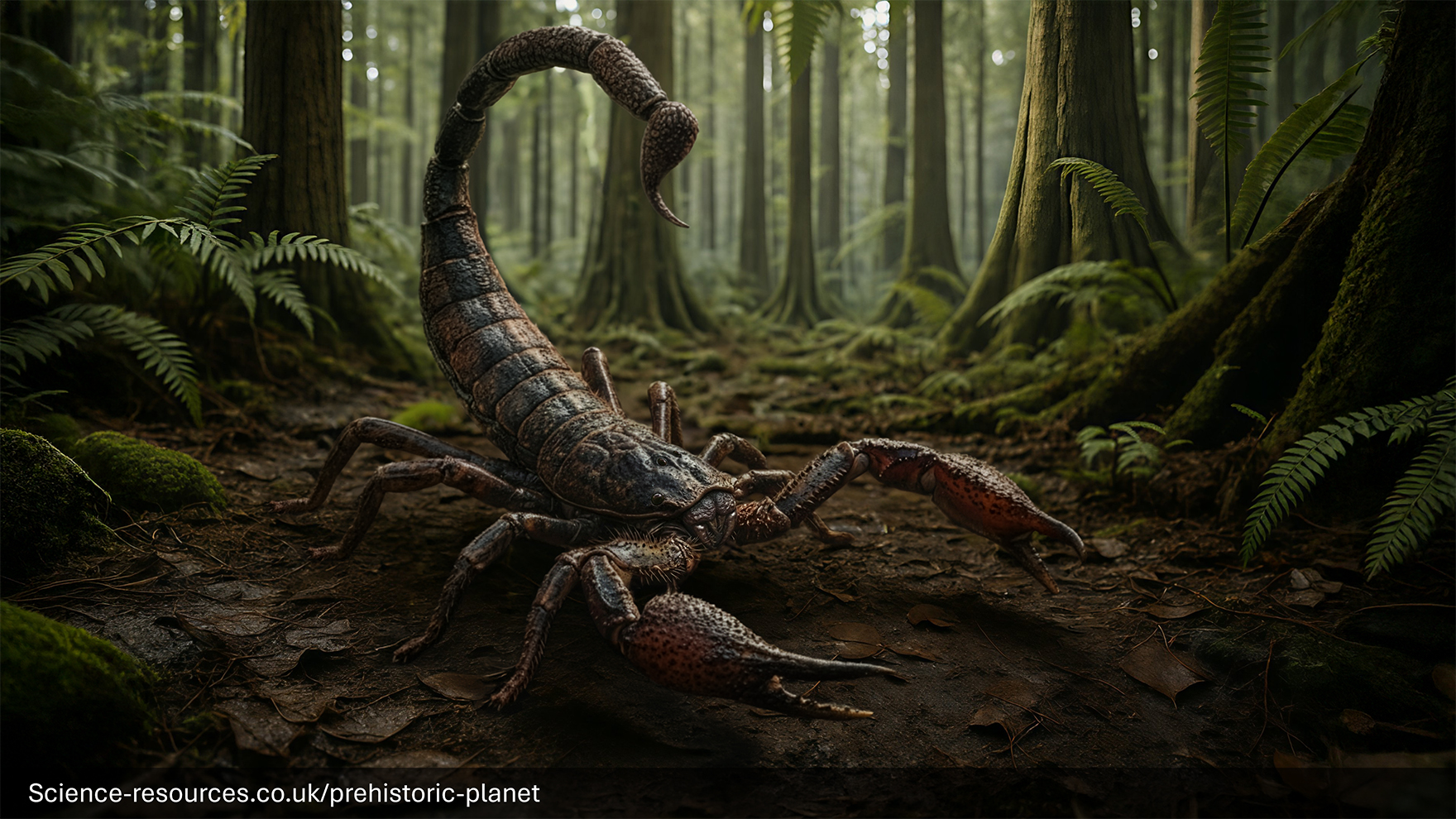
Pulmonoscorpius, a large, ancient scorpion that lived in the Carboniferous.
Pulmonoscorpius (Lung Scorpion)
 Pulmonoscorpius
What is Pulmonoscorpius?
Pulmonoscorpius was a massive, ancient scorpion that roamed the land hundreds of millions of years ago. It belonged to a group of early scorpions and is thought to be one of the largest land scorpions ever to have lived. Pulmonoscorpius is distantly related to modern scorpions, but it was far bigger and lived long before humans appeared.
How big was Pulmonoscorpius?
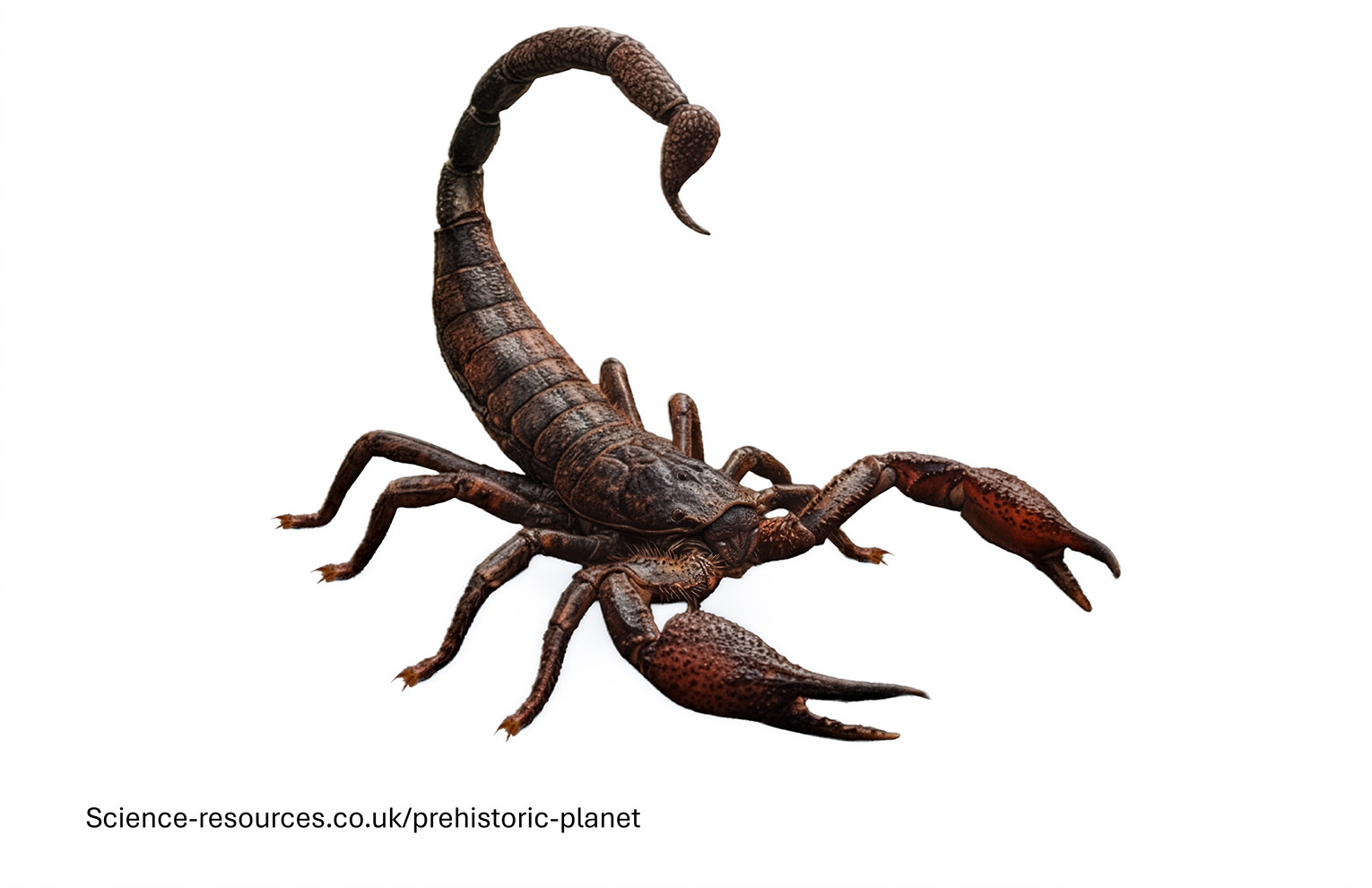
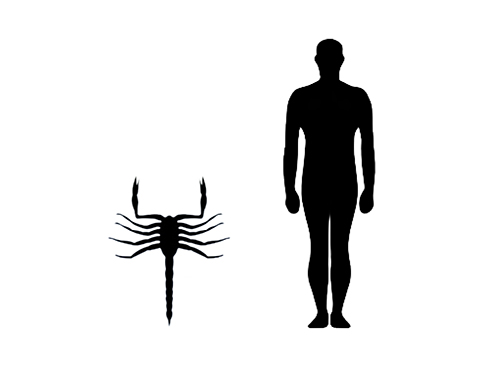
Pulmonoscorpius could grow up to 70 centimetres (about 2.3 feet) long. Its body had many jointed segments, a tough exoskeleton, and an impressive tail with a large stinger. Imagine finding one of these in your back garden!
What did Pulmonoscorpius eat?
Pulmonoscorpius was a carnivore. It hunted other small invertebrates, such as insects and possibly even early amphibians. With its strong pincers and venomous stinger, it was well-equipped to grab and subdue its prey before eating it.
Pulmonoscorpius appearance
Jaekelopterus had a long, streamlined body with a tough exoskeleton and many segments. Its most famous features were its huge, spiky pincers and its paddle-shaped tail, which helped it swim quickly through ancient waters. With eyes set high on its head, it was well-adapted to spotting prey.
 Pulmonoscorpius appearance
Where did Pulmonoscorpius live?
Fossils of Pulmonoscorpius have been discovered in parts of Scotland. It lived in swampy forests and moist environments during the Carboniferous Period, when giant plants and insects ruled the land.
Interesting facts
- Its name means "lung scorpion" because it had lungs for breathing air.
- Pulmonoscorpius was much bigger than today’s scorpions!
- It lived about 330 million years ago—long before the dinosaurs.
- Pulmonoscorpius is extinct, but its fossils give us clues about life on ancient Earth.
Pulmonoscorpius Facts
Pronounced: Pul-mono-SCOR-pee-us
Name Means: "Lung scorpion"
Length: Up to 70 centimetres (2.3 feet)
Diet: Carnivore (meat-eater)
Time: Carboniferous Period (about 359–299 million years ago)
Fossils Found: Mainly Scotland
Which family of animals did Pulmonoscorpius belong to?
Pulmonoscorpius belonged to the family Pulmonoscorpiidae, a group of ancient scorpions with lungs for breathing air. These creatures are distant relatives of modern scorpions and spiders.
What other animals lived at the same time as Pulmonoscorpius?
Pulmonoscorpius shared its world with giant millipedes, early amphibians, ancient insects, and other prehistoric land creatures during the Carboniferous Period.
Pulmonoscorpius FAQ
Q1: What is Pulmonoscorpius?
A1: Pulmonoscorpius is an extinct giant land scorpion that lived about 330 million years ago. It was one of the biggest scorpions ever found.
Q2: What did Pulmonoscorpius look like?
A2: Pulmonoscorpius had a segmented body, hard shell, large pincers, and a curved tail with a venomous stinger.
Q3: How big was Pulmonoscorpius?
A3: It could grow up to 70 centimetres (2.3 feet) or more in length.
Q4: What did Pulmonoscorpius eat?
A4: Pulmonoscorpius was a predator, eating insects and other small creatures.
Q5: Where did Pulmonoscorpius live?
A5: It lived in swampy forests of ancient Scotland.
Q6: When did Pulmonoscorpius go extinct?
A6: Pulmonoscorpius disappeared around 299 million years ago, at the end of the Carboniferous Period.
Q7: Was Pulmonoscorpius dangerous?
A7: Pulmonoscorpius was a top predator in its time, but it lived long before humans existed.
Q8: How is Pulmonoscorpius related to modern animals?
A8: Pulmonoscorpius is distantly related to today’s scorpions and spiders.
Q9: Who discovered Pulmonoscorpius?
A9: Pulmonoscorpius fossils were first described by scientists in the 20th century.
Q10: Are there any complete skeletons of Pulmonoscorpius?
A10: Only parts of its exoskeleton have been found; soft tissues did not fossilise.
You may also be intrested in:
- Extinct Animals: A-Z
- Dinosaurs: A-Z
Tags: How big was Pulmonoscorpius, Pulmonoscorpius, where did Pulmonoscorpius live, how long was Pulmonoscorpius, what does Pulmonoscorpius mean, Pulmonoscorpius facts
Previous: Opabinia
Up next: Scutosaurus
© 2012 science-resources.co.uk. All rights reserved | Design by W3layouts
Before Dinosaurs: Pulmonoscorpius
Pulmonoscorpius, a large, ancient scorpion that lived in the Carboniferous.
Pulmonoscorpius (Lung Scorpion)
Pulmonoscorpius
What is Pulmonoscorpius?
Pulmonoscorpius was a massive, ancient scorpion that roamed the land hundreds of millions of years ago. It belonged to a group of early scorpions and is thought to be one of the largest land scorpions ever to have lived. Pulmonoscorpius is distantly related to modern scorpions, but it was far bigger and lived long before humans appeared.
How big was Pulmonoscorpius?
Pulmonoscorpius could grow up to 70 centimetres (about 2.3 feet) long. Its body had many jointed segments, a tough exoskeleton, and an impressive tail with a large stinger. Imagine finding one of these in your back garden!
What did Pulmonoscorpius eat?
Pulmonoscorpius was a carnivore. It hunted other small invertebrates, such as insects and possibly even early amphibians. With its strong pincers and venomous stinger, it was well-equipped to grab and subdue its prey before eating it.
Pulmonoscorpius appearance
Jaekelopterus had a long, streamlined body with a tough exoskeleton and many segments. Its most famous features were its huge, spiky pincers and its paddle-shaped tail, which helped it swim quickly through ancient waters. With eyes set high on its head, it was well-adapted to spotting prey.
Pulmonoscorpius appearance
Where did Pulmonoscorpius live?
Fossils of Pulmonoscorpius have been discovered in parts of Scotland. It lived in swampy forests and moist environments during the Carboniferous Period, when giant plants and insects ruled the land.
Interesting facts
- Its name means "lung scorpion" because it had lungs for breathing air.
- Pulmonoscorpius was much bigger than today’s scorpions!
- It lived about 330 million years ago—long before the dinosaurs.
- Pulmonoscorpius is extinct, but its fossils give us clues about life on ancient Earth.
Pulmonoscorpius Facts
Pronounced: Pul-mono-SCOR-pee-us
Name Means: "Lung scorpion"
Length: Up to 70 centimetres (2.3 feet)
Diet: Carnivore (meat-eater)
Time: Carboniferous Period (about 359–299 million years ago)
Fossils Found: Mainly Scotland
Which family of animals did Pulmonoscorpius belong to?
Pulmonoscorpius belonged to the family Pulmonoscorpiidae, a group of ancient scorpions with lungs for breathing air. These creatures are distant relatives of modern scorpions and spiders.
What other animals lived at the same time as Pulmonoscorpius?
Pulmonoscorpius shared its world with giant millipedes, early amphibians, ancient insects, and other prehistoric land creatures during the Carboniferous Period.
Pulmonoscorpius FAQ
Q1: What is Pulmonoscorpius?
A1: Pulmonoscorpius is an extinct giant land scorpion that lived about 330 million years ago. It was one of the biggest scorpions ever found.
Q2: What did Pulmonoscorpius look like?
A2: Pulmonoscorpius had a segmented body, hard shell, large pincers, and a curved tail with a venomous stinger.
Q3: How big was Pulmonoscorpius?
A3: It could grow up to 70 centimetres (2.3 feet) or more in length.
Q4: What did Pulmonoscorpius eat?
A4: Pulmonoscorpius was a predator, eating insects and other small creatures.
Q5: Where did Pulmonoscorpius live?
A5: It lived in swampy forests of ancient Scotland.
Q6: When did Pulmonoscorpius go extinct?
A6: Pulmonoscorpius disappeared around 299 million years ago, at the end of the Carboniferous Period.
Q7: Was Pulmonoscorpius dangerous?
A7: Pulmonoscorpius was a top predator in its time, but it lived long before humans existed.
Q8: How is Pulmonoscorpius related to modern animals?
A8: Pulmonoscorpius is distantly related to today’s scorpions and spiders.
Q9: Who discovered Pulmonoscorpius?
A9: Pulmonoscorpius fossils were first described by scientists in the 20th century.
Q10: Are there any complete skeletons of Pulmonoscorpius?
A10: Only parts of its exoskeleton have been found; soft tissues did not fossilise.
Tags: How big was Pulmonoscorpius, Pulmonoscorpius, where did Pulmonoscorpius live, how long was Pulmonoscorpius, what does Pulmonoscorpius mean, Pulmonoscorpius facts
Previous: Opabinia
Up next: Scutosaurus
© 2012 science-resources.co.uk. All rights reserved | Design by W3layouts