Generative AI Notification: Some elements of this image have been created or enhanced using AI technology. To find out how we create all our prehistoric animals, click here.
Last updated: 24th January 2026
Before Dinosaurs: Tanystropheus
Tanystropheus, a Triassic reptile known for its impossibly long neck, longer than its body and tail combined.
Tanystropheus (The Long-Necked Mystery)
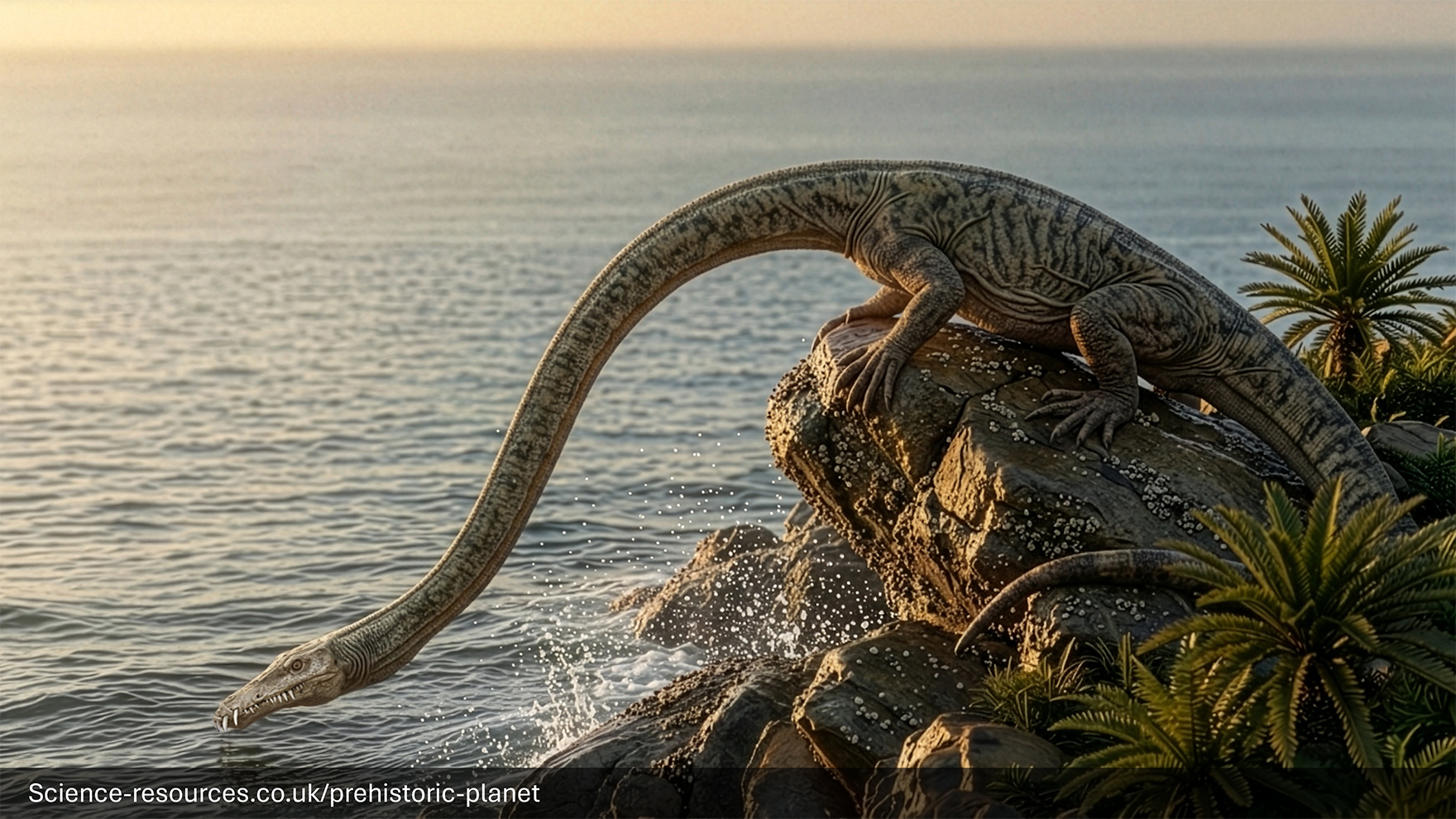 Tanystropheus
What is Tanystropheus?
Tanystropheus was one of the strangest reptiles to ever live! This remarkable animal roamed the Earth over 200 million years ago and is famous for its extremely long neck, which made it stand out among other prehistoric creatures. Scientists are still puzzled about how Tanystropheus used its neck and exactly where it spent most of its time, making it a true prehistoric mystery.
How big was Tanystropheus?
Tanystropheus could grow up to about 6 metres (nearly 20 feet) long, but more than half of this length came from its neck alone! Its neck was up to 3 metres (about 10 feet) long. The rest of its body was much shorter, giving it a very odd, stretched-out appearance.
What did Tanystropheus eat?
Tanystropheus was a carnivore. Scientists believe it hunted fish and other small aquatic animals, using its long neck to snatch prey from the water while hiding its body on the shore or among rocks. Some think it may have also grabbed insects and small creatures on land.
Tanystropheus appearance
Tanystropheus looked a bit like a lizard with a neck so long it almost seemed impossible. Its neck had only a few extremely elongated bones, which made it stiff and hard to bend. It had a small head, sharp teeth for catching slippery prey, and a long tail. Its legs were adapted for walking, but it may have spent a lot of time in or near water.
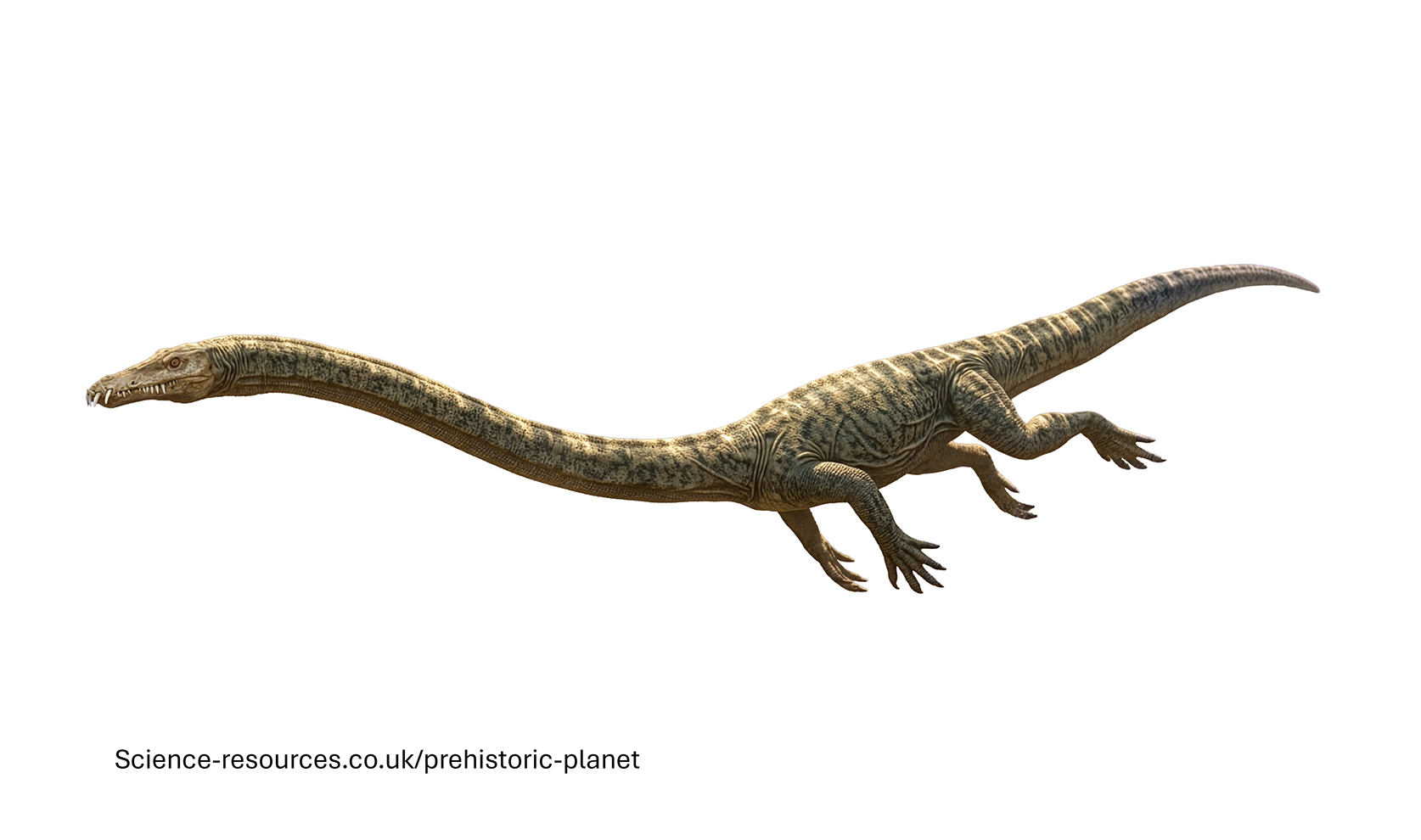
Where did Tanystropheus live?
Tanystropheus lived in what are now parts of Europe and the Middle East during the Middle Triassic Period, about 230 million years ago. Back then, these regions were covered in lakes, lagoons, and coastal environments, perfect habitats for an animal that liked both land and water.
Could Tanystropheus Walk on Land?
Tanystropheus could walk on land, but its long neck would have made walking clumsy. Most scientists think it preferred staying close to water, where it could use its neck to reach into the water from the shore or rocks. Some even believe it swam to hunt, using its long neck to sneak up on prey.
Could Tanystropheus Swim?
Scientists believe that Tanystropheus was able to swim, although it probably wasn’t as graceful in the water as some other prehistoric reptiles. Its long, stiff neck might have made turning quickly a challenge, but its strong tail and webbed feet would have helped it move through the water. Fossil evidence suggests Tanystropheus spent much of its life near lakes and lagoons, so swimming likely played a key role in its daily activities, especially when hunting for fish and other aquatic prey.
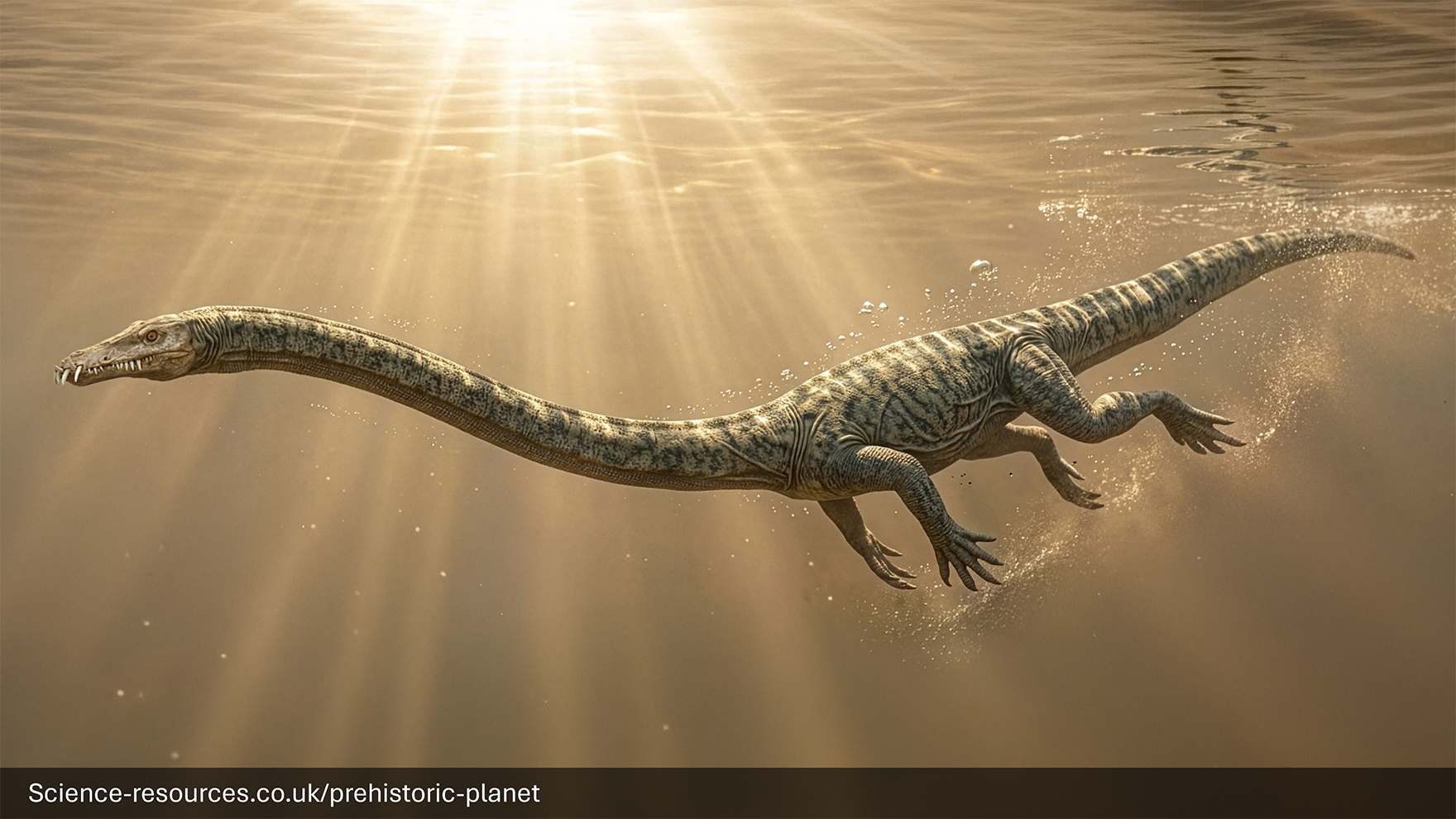 Swimming Tanystropheus
Interesting facts
- The name “Tanystropheus” means “long vertebra” in Greek, referring to its incredibly long neck bones.
- Its neck had only 13 bones, but each one was stretched out to be very long.
- Tanystropheus lived around the same time as some of the earliest dinosaurs.
- It’s extinct. Scientists know about it only from fossils.
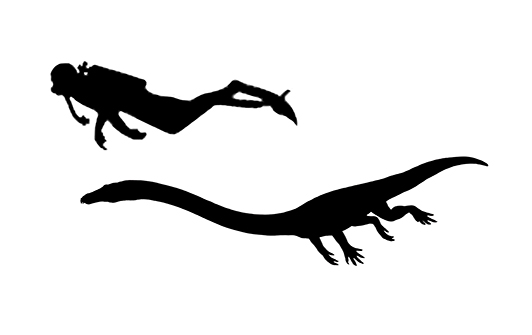
Tanystropheus Facts
Pronounced: tan-ee-STRO-fee-us
Name Means: "Long Vertebra"
Length: Up to 6 metres (20 feet)
Diet: Carnivore (meat-eater)
Time: Middle Triassic Period (about 230 million years ago)
Habitat: Near lakes and lagoons
Fossils Found: Europe, Middle East
Why is Tanystropheus Important?
Tanystropheus shows us just how creative evolution can be! Its bizarre neck and body give clues about ancient habitats and how prehistoric animals adapted to their world. It helps piece together the story of life before the age of dinosaurs.
Tanystropheus FAQ
Q1: What is Tanystropheus?
A1: Tanystropheus was a very long-necked reptile that lived about 230 million years ago.
Q2: What did Tanystropheus look like?
A2: It looked like a lizard with an extremely long, stiff neck and a small head.
Q3: How big was Tanystropheus?
A3: It could reach up to 6 metres (20 feet) long, with most of that length in its neck.
Q4: What did Tanystropheus eat?
A4: It hunted fish and other small animals, probably in or near water.
Q5: Where did Tanystropheus live?
A5: It lived in lakes and coastal regions of what is now Europe and the Middle East.
Q6: When did Tanystropheus go extinct?
A6: It went extinct at the end of the Triassic Period, as new reptiles and dinosaurs evolved.
Q7: How is Tanystropheus related to modern animals?
A7: Tanystropheus is not directly related to any modern animal, but it helps scientists understand reptile evolution.
Q8: Who discovered Tanystropheus?
A8: Its fossils were first discovered in Europe in the 1800s.
Q9: Are there any complete skeletons of Tanystropheus?
A9: Several nearly complete skeletons have been found, showing its unusual body shape.
You may also be intrested in:
- Extinct Animals: A-Z
- Dinosaurs: A-Z
Tags: How big was Tanystropheus , Tanystropheus , where did Tanystropheus live, how long was Tanystropheus , what does Tanystropheus mean, Tanystropheus facts
Previous: Stethacanthus
Up next: Tiktaalik
© 2012 science-resources.co.uk. All rights reserved | Design by W3layouts
Before Dinosaurs: Tanystropheus
Tanystropheus, a Triassic reptile known for its impossibly long neck, longer than its body and tail combined.
Tanystropheus (The Long-Necked Mystery)
Tanystropheus
What is Tanystropheus?
Tanystropheus was one of the strangest reptiles to ever live! This remarkable animal roamed the Earth over 200 million years ago and is famous for its extremely long neck, which made it stand out among other prehistoric creatures. Scientists are still puzzled about how Tanystropheus used its neck and exactly where it spent most of its time, making it a true prehistoric mystery.
How big was Tanystropheus?
Tanystropheus could grow up to about 6 metres (nearly 20 feet) long, but more than half of this length came from its neck alone! Its neck was up to 3 metres (about 10 feet) long. The rest of its body was much shorter, giving it a very odd, stretched-out appearance.
What did Tanystropheus eat?
Tanystropheus was a carnivore. Scientists believe it hunted fish and other small aquatic animals, using its long neck to snatch prey from the water while hiding its body on the shore or among rocks. Some think it may have also grabbed insects and small creatures on land.
Tanystropheus appearance
Tanystropheus looked a bit like a lizard with a neck so long it almost seemed impossible. Its neck had only a few extremely elongated bones, which made it stiff and hard to bend. It had a small head, sharp teeth for catching slippery prey, and a long tail. Its legs were adapted for walking, but it may have spent a lot of time in or near water.
Where did Tanystropheus live?
Tanystropheus lived in what are now parts of Europe and the Middle East during the Middle Triassic Period, about 230 million years ago. Back then, these regions were covered in lakes, lagoons, and coastal environments, perfect habitats for an animal that liked both land and water.
Could Tanystropheus Walk on Land?
Tanystropheus could walk on land, but its long neck would have made walking clumsy. Most scientists think it preferred staying close to water, where it could use its neck to reach into the water from the shore or rocks. Some even believe it swam to hunt, using its long neck to sneak up on prey.
Could Tanystropheus Swim?
Scientists believe that Tanystropheus was able to swim, although it probably wasn’t as graceful in the water as some other prehistoric reptiles. Its long, stiff neck might have made turning quickly a challenge, but its strong tail and webbed feet would have helped it move through the water. Fossil evidence suggests Tanystropheus spent much of its life near lakes and lagoons, so swimming likely played a key role in its daily activities, especially when hunting for fish and other aquatic prey.
Swimming Tanystropheus
Interesting facts
- The name “Tanystropheus” means “long vertebra” in Greek, referring to its incredibly long neck bones.
- Its neck had only 13 bones, but each one was stretched out to be very long.
- Tanystropheus lived around the same time as some of the earliest dinosaurs.
- It’s extinct. Scientists know about it only from fossils.
Tanystropheus Facts
Pronounced: tan-ee-STRO-fee-us
Name Means: "Long Vertebra"
Length: Up to 6 metres (20 feet)
Diet: Carnivore (meat-eater)
Time: Middle Triassic Period (about 230 million years ago)
Habitat: Near lakes and lagoons
Fossils Found: Europe, Middle East
Why is Tanystropheus Important?
Tanystropheus shows us just how creative evolution can be! Its bizarre neck and body give clues about ancient habitats and how prehistoric animals adapted to their world. It helps piece together the story of life before the age of dinosaurs.
Tanystropheus FAQ
Q1: What is Tanystropheus?
A1: Tanystropheus was a very long-necked reptile that lived about 230 million years ago.
Q2: What did Tanystropheus look like?
A2: It looked like a lizard with an extremely long, stiff neck and a small head.
Q3: How big was Tanystropheus?
A3: It could reach up to 6 metres (20 feet) long, with most of that length in its neck.
Q4: What did Tanystropheus eat?
A4: It hunted fish and other small animals, probably in or near water.
Q5: Where did Tanystropheus live?
A5: It lived in lakes and coastal regions of what is now Europe and the Middle East.
Q6: When did Tanystropheus go extinct?
A6: It went extinct at the end of the Triassic Period, as new reptiles and dinosaurs evolved.
Q7: How is Tanystropheus related to modern animals?
A7: Tanystropheus is not directly related to any modern animal, but it helps scientists understand reptile evolution.
Q8: Who discovered Tanystropheus?
A8: Its fossils were first discovered in Europe in the 1800s.
Q9: Are there any complete skeletons of Tanystropheus?
A9: Several nearly complete skeletons have been found, showing its unusual body shape.
Tags: How big was Tanystropheus , Tanystropheus , where did Tanystropheus live, how long was Tanystropheus , what does Tanystropheus mean, Tanystropheus facts
Previous: Stethacanthus
Up next: Tiktaalik
© 2012 science-resources.co.uk. All rights reserved | Design by W3layouts