Last updated: 24th January 2026
Before Dinosaurs: Inostrancevia
Inostrancevia, a massive predator from the Late Permian, equipped with long sabre‑like canines and a muscular body.
Inostrancevia (Sabre-toothed predator)
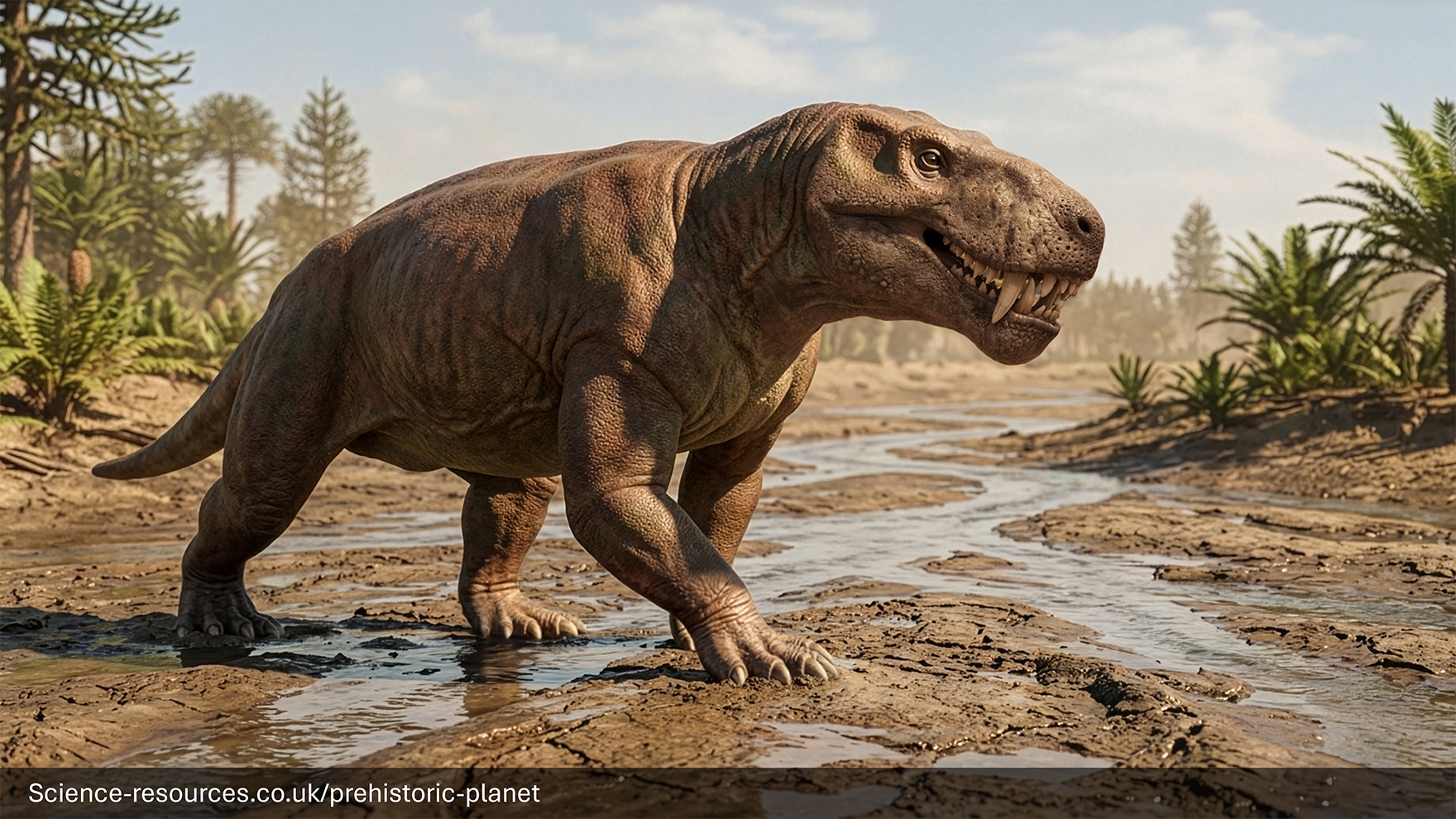 Inostrancevia
What is Inostrancevia?
Inostrancevia was a massive, ancient land predator that roamed the Earth long before the dinosaurs appeared. It belonged to a group called therapsids, which are distant relatives of mammals. Inostrancevia was one of the top predators of its time, hunting other large animals in its environment.
How big was Inostrancevia?
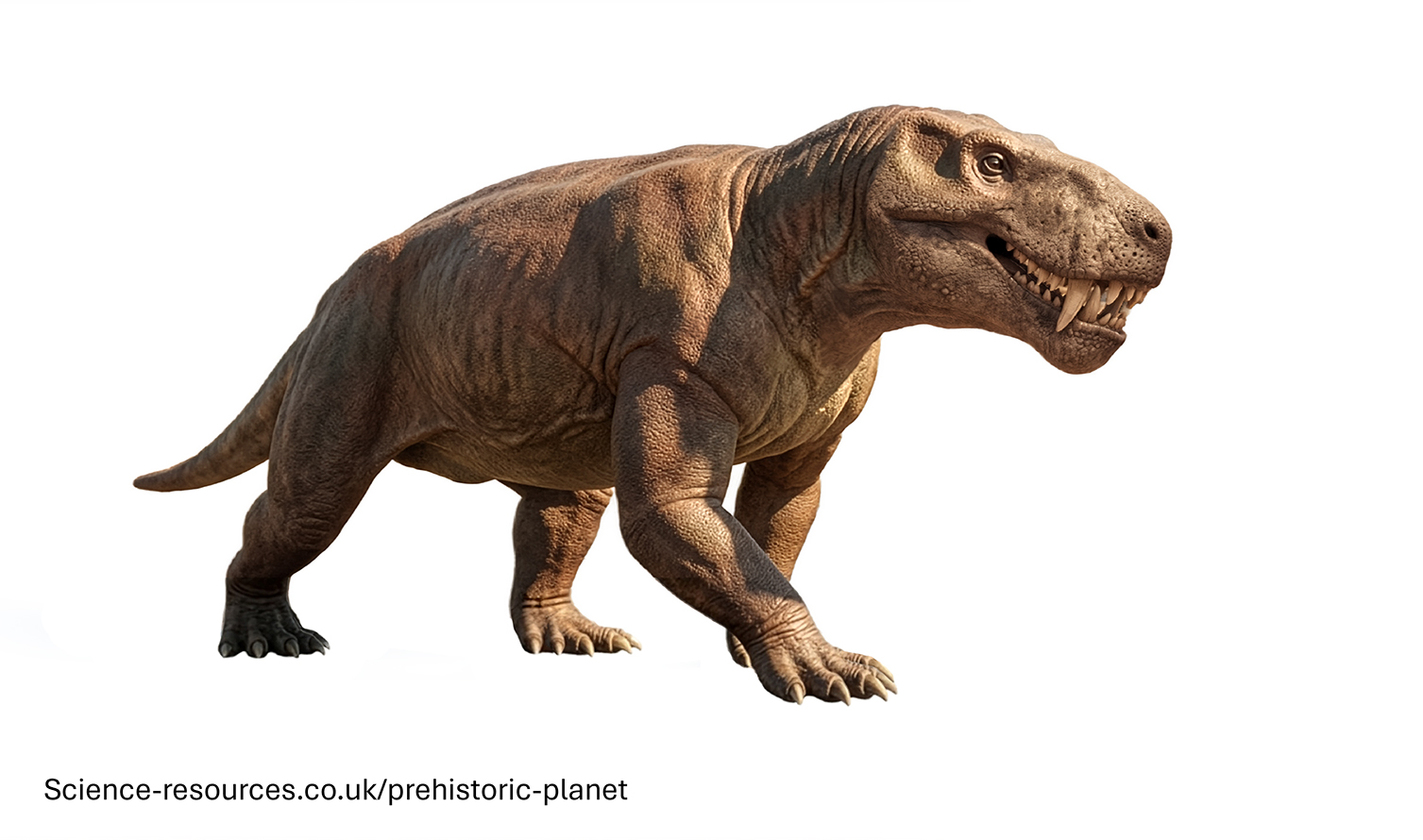
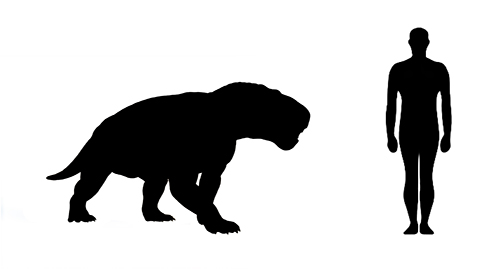
Inostrancevia could reach lengths of up to 3 metres (about 10 feet)—roughly the size of a small car! It had a robust body, powerful legs, and a large head equipped with enormous, sabre-like teeth.
What did Inostrancevia eat?
Inostrancevia was a carnivore, meaning it ate meat. It hunted other prehistoric animals, such as large reptiles and other therapsids. Its strong jaws and sharp teeth helped it bite through tough skin and bone.
Inostrancevia appearance
Inostrancevia looked a bit like a cross between a reptile and a mammal, with a large skull, long sharp teeth, and a sturdy body. Its most striking feature was its pair of huge, sabre-shaped canine teeth, which were perfect for grabbing and killing prey.
Where did Inostrancevia live?
Inostrancevia fossils have been discovered in Russia, especially in areas that were once ancient floodplains and forests. It lived in a habitat with rivers, lakes, and plenty of other prehistoric creatures.
Interesting facts
- Its name honours Russian palaeontologist Aleksandr Inostrantsev.
- It lived about 252 million years ago—before the first dinosaurs appeared.
- Inostrancevia is completely extinct, with only fossils left behind.
Inostrancevia Facts
Pronounced: In-oss-TRAN-say-vee-ah
Name Means: "Named after Aleksandr Inostrantsev"
Length: Up to 3 metres (10 feet)
Weight: Unknown
Diet: Carnivore (meat-eater)
Time: Late Permian Period (about 252 million years ago)
Fossils Found: Mainly Russia
Which family of animals did Inostrancevia belong to?
Inostrancevia belonged to the family Gorgonopsidae, a group of ancient therapsids. These creatures are distant relatives to modern mammals.
What other animals lived at the same time as Inostrancevia?
Inostrancevia shared its world with other therapsids, early reptiles, amphibians, and giant insects during the Late Permian Period.
Inostrancevia FAQ
Q1: What is Inostrancevia?
A1: Inostrancevia is an extinct giant predator that lived over 250 million years ago. It was the top hunter of its ancient ecosystem.
Q2: What did Inostrancevia look like?
A2: Inostrancevia had a large head with sabre-shaped teeth and a sturdy body, looking a bit like a reptile with mammal-like features.
Q3: How big was Inostrancevia?
A3: It could grow up to 3 metres (10 feet) in length.
Q4: What did Inostrancevia eat?
A4: Inostrancevia hunted other large prehistoric animals, such as reptiles and therapsids.
Q5: Where did Inostrancevia live?
A5: It lived in what is now Russia, in ancient floodplain and forest habitats.
Q6: When did Inostrancevia go extinct?
A6: Inostrancevia went extinct at the end of the Permian Period, about 252 million years ago.
Q7: How strong was Inostrancevia’s bite?
A7: Its bite was powerful enough to kill large prey, but the exact strength is unknown.
Q8: How is Inostrancevia related to modern animals?
A8: Inostrancevia is distantly related to mammals, sharing ancestry with creatures that eventually evolved into modern mammals.
Q9: Who discovered Inostrancevia?
A9: Inostrancevia fossils were first described by Russian scientists in the early 20th century.
Q10: Are there any complete skeletons of Inostrancevia?
A10: Several well-preserved skeletons have been found, giving scientists a good idea of its appearance.
Generative AI Notification: Some elements of this image have been created or enhanced using AI technology. To find out how we create all our prehistoric animals, click here.
You may also be intrested in:
- Extinct Animals: A-Z
- Dinosaurs: A-Z
Tags: How big was Inostrancevia, Inostrancevia, where did Inostrancevia live, how long was Inostrancevia, what does Inostrancevia mean, Inostrancevia facts
Previous: Ichthyostega
Up next: Jaekelopterus
© 2012 science-resources.co.uk. All rights reserved | Design by W3layouts
Before Dinosaurs: Inostrancevia
Inostrancevia, a massive predator from the Late Permian, equipped with long sabre‑like canines and a muscular body.
Inostrancevia (Sabre-toothed predator)
Inostrancevia
What is Inostrancevia?
Inostrancevia was a massive, ancient land predator that roamed the Earth long before the dinosaurs appeared. It belonged to a group called therapsids, which are distant relatives of mammals. Inostrancevia was one of the top predators of its time, hunting other large animals in its environment.
How big was Inostrancevia?
Inostrancevia could reach lengths of up to 3 metres (about 10 feet)—roughly the size of a small car! It had a robust body, powerful legs, and a large head equipped with enormous, sabre-like teeth.
What did Inostrancevia eat?
Inostrancevia was a carnivore, meaning it ate meat. It hunted other prehistoric animals, such as large reptiles and other therapsids. Its strong jaws and sharp teeth helped it bite through tough skin and bone.
Inostrancevia appearance
Inostrancevia looked a bit like a cross between a reptile and a mammal, with a large skull, long sharp teeth, and a sturdy body. Its most striking feature was its pair of huge, sabre-shaped canine teeth, which were perfect for grabbing and killing prey.
Where did Inostrancevia live?
Inostrancevia fossils have been discovered in Russia, especially in areas that were once ancient floodplains and forests. It lived in a habitat with rivers, lakes, and plenty of other prehistoric creatures.
Interesting facts
- Its name honours Russian palaeontologist Aleksandr Inostrantsev.
- It lived about 252 million years ago—before the first dinosaurs appeared.
- Inostrancevia is completely extinct, with only fossils left behind.
Inostrancevia Facts
Pronounced: In-oss-TRAN-say-vee-ah
Name Means: "Named after Aleksandr Inostrantsev"
Length: Up to 3 metres (10 feet)
Weight: Unknown
Diet: Carnivore (meat-eater)
Time: Late Permian Period (about 252 million years ago)
Fossils Found: Mainly Russia
Which family of animals did Inostrancevia belong to?
Inostrancevia belonged to the family Gorgonopsidae, a group of ancient therapsids. These creatures are distant relatives to modern mammals.
What other animals lived at the same time as Inostrancevia?
Inostrancevia shared its world with other therapsids, early reptiles, amphibians, and giant insects during the Late Permian Period.
Inostrancevia FAQ
Q1: What is Inostrancevia?
A1: Inostrancevia is an extinct giant predator that lived over 250 million years ago. It was the top hunter of its ancient ecosystem.
Q2: What did Inostrancevia look like?
A2: Inostrancevia had a large head with sabre-shaped teeth and a sturdy body, looking a bit like a reptile with mammal-like features.
Q3: How big was Inostrancevia?
A3: It could grow up to 3 metres (10 feet) in length.
Q4: What did Inostrancevia eat?
A4: Inostrancevia hunted other large prehistoric animals, such as reptiles and therapsids.
Q5: Where did Inostrancevia live?
A5: It lived in what is now Russia, in ancient floodplain and forest habitats.
Q6: When did Inostrancevia go extinct?
A6: Inostrancevia went extinct at the end of the Permian Period, about 252 million years ago.
Q7: How strong was Inostrancevia’s bite?
A7: Its bite was powerful enough to kill large prey, but the exact strength is unknown.
Q8: How is Inostrancevia related to modern animals?
A8: Inostrancevia is distantly related to mammals, sharing ancestry with creatures that eventually evolved into modern mammals.
Q9: Who discovered Inostrancevia?
A9: Inostrancevia fossils were first described by Russian scientists in the early 20th century.
Q10: Are there any complete skeletons of Inostrancevia?
A10: Several well-preserved skeletons have been found, giving scientists a good idea of its appearance.
Tags: How big was Inostrancevia, Inostrancevia, where did Inostrancevia live, how long was Inostrancevia, what does Inostrancevia mean, Inostrancevia facts
Previous: Ichthyostega
Up next: Jaekelopterus
© 2012 science-resources.co.uk. All rights reserved | Design by W3layouts